
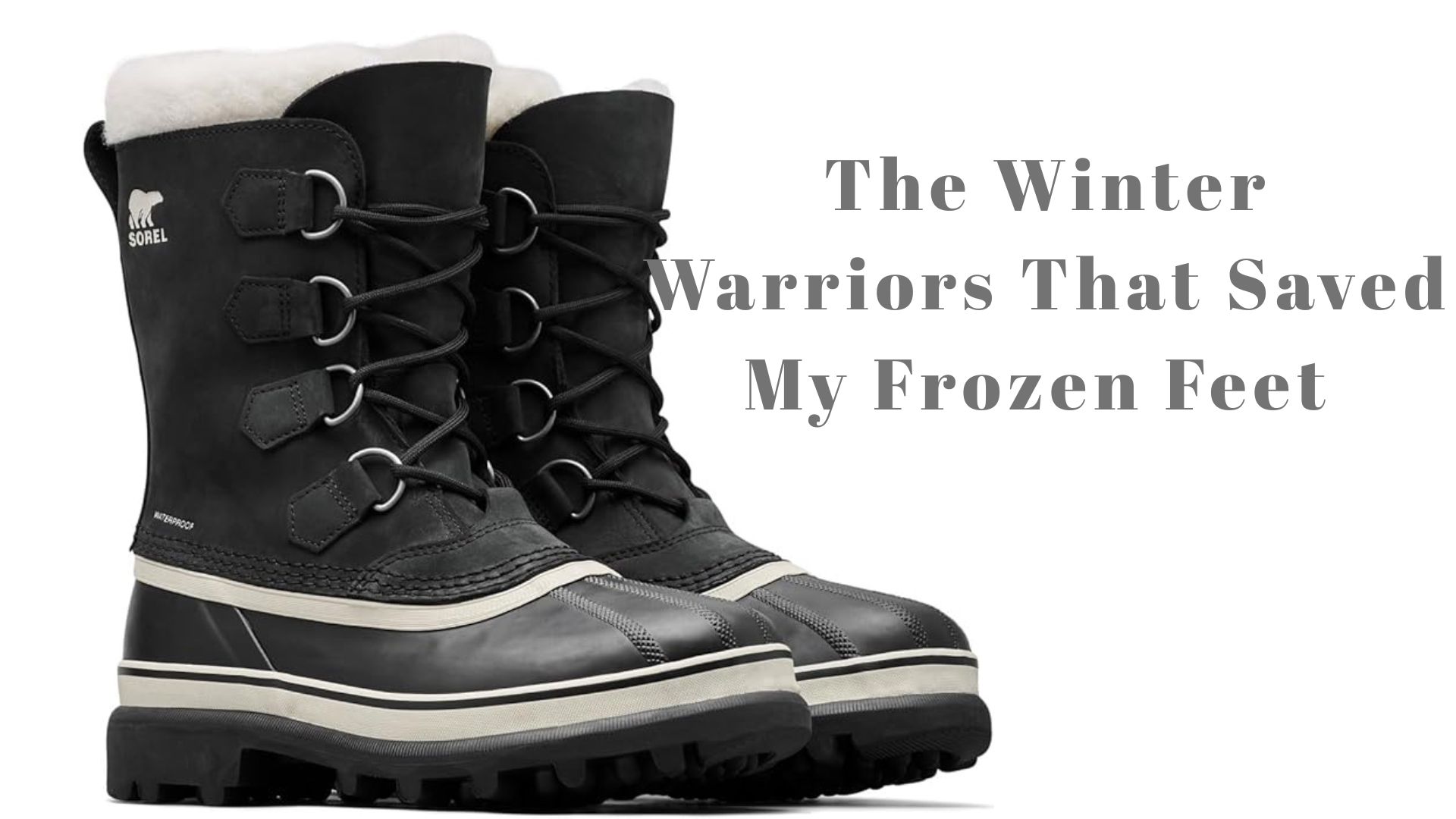
Picture this: It’s 6 AM on a February morning in Minnesota, I’m standing in my driveway staring at eight inches of fresh snow, and I realize my “waterproof” boots from last year are about as waterproof as a paper bag. My toes went numb before I finished clearing the car. That was the morning I decided enough was enough.
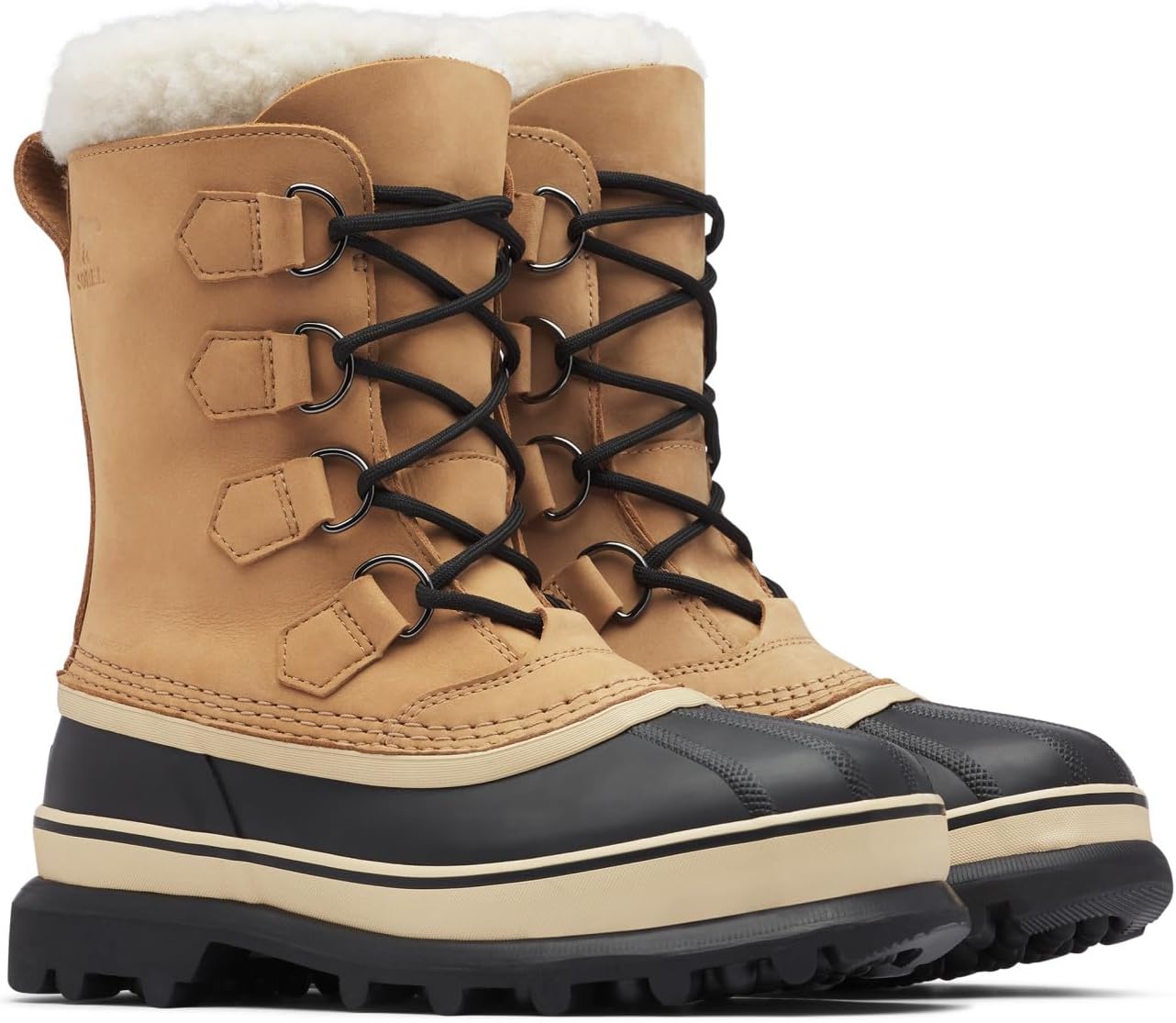
After three winters of testing various waterproof boots, I finally discovered the Sorel Women’s Caribou – and honestly, I wish I’d found them years ago. Let me walk you through everything I’ve learned about these legendary boots, including the things nobody tells you in the product descriptions.
Why I Finally Invested in Quality Waterproof Boots
The Cold Reality That Changed Everything
I used to be the person who thought all winter boots were basically the same. “How different could they really be?” I’d ask myself while buying $40 boots from discount stores every season. Then I’d spend the entire winter with cold, wet feet, convinced this was just what winter felt like.
Here’s what changed my perspective: I started tracking how much I was actually spending. Three cheap pairs over three years meant I’d spent $120 anyway – and suffered through soggy socks the entire time. Quality waterproof boots weren’t an expense; they were an investment in comfort and durability.
What Made the Sorel Caribou Stand Out
While researching warm winter boots, the Caribou name kept appearing everywhere – on hiking forums, in winter survival blogs, from friends who actually knew what they were talking about. Here’s what caught my attention:
Proven Track Record: These boots have been around since 1959. That’s not a typo – sixty-plus years of refinement and reliability. Companies don’t survive that long making mediocre products.
Handcrafted Waterproof Shell: The vulcanized rubber construction isn’t just glued together. It’s actually bonded through a heating process that creates a seamless, truly waterproof barrier.
Temperature Rating: Rated for -40°F/-40°C conditions. Now, I don’t live in the Arctic, but knowing these waterproof winter boots women could handle extreme cold gave me confidence they’d dominate my Midwest winters.
Functional Fashion: Let’s be honest – most serious winter boots look like astronaut gear. The Caribou manages to be both legitimately functional and actually stylish enough to wear into the office.

Breaking Down What Makes These Waterproof Boots Different
The Construction Story: From Sole to Summit
Let me explain what actually makes these waterproof boots work, because understanding the construction helped me appreciate why they cost more than basic options.
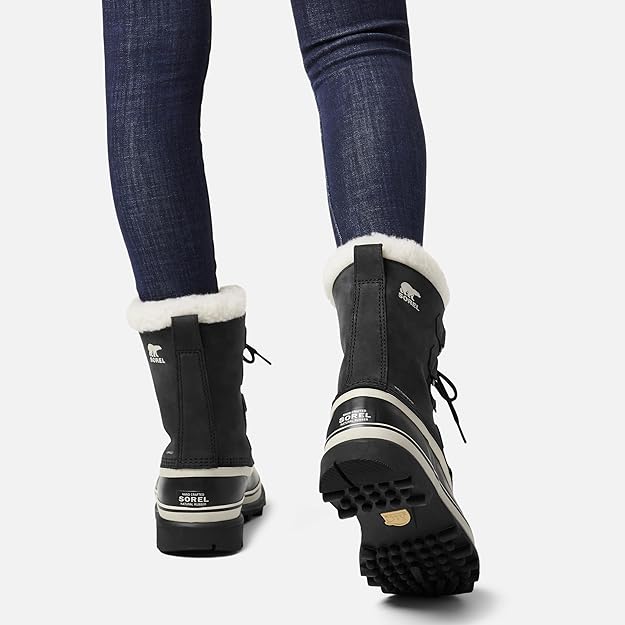
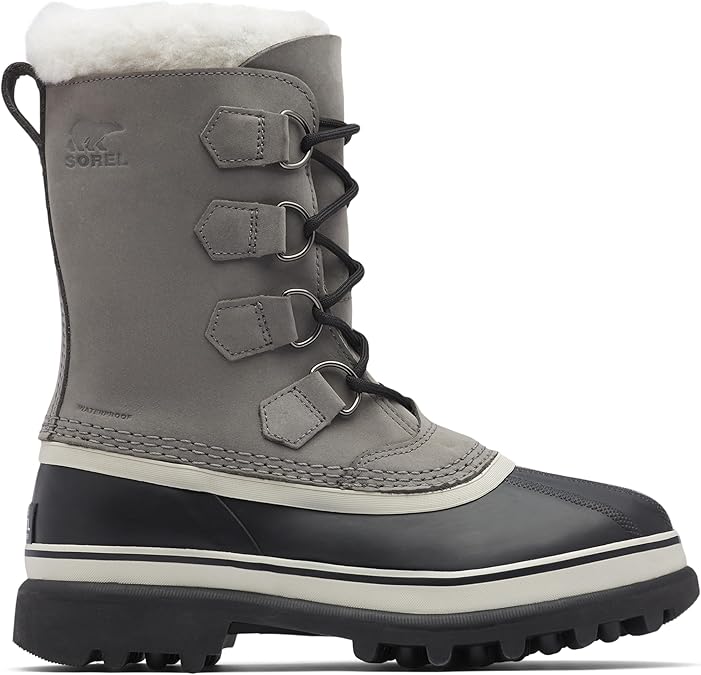
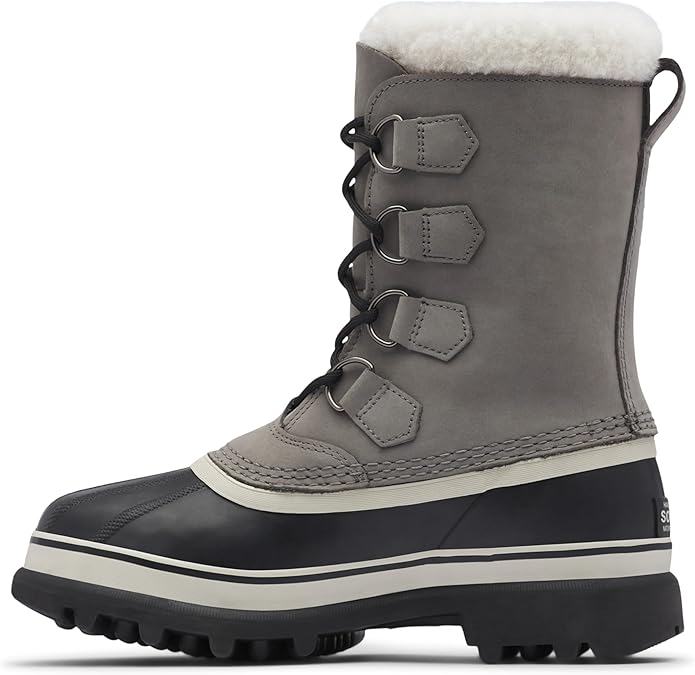
The Rubber Shell Foundation: The bottom portion is handcrafted vulcanized rubber – basically, rubber that’s been heat-treated to make it incredibly durable and 100% waterproof. I’ve stood in three inches of slush for 20 minutes chatting with neighbors. Zero moisture penetration.
Leather Upper Durability: The top portion features genuine leather that’s both tough and surprisingly flexible. After two winters, my boots show minimal wear despite daily use through snow, ice, and salt.
The Secret Inner Boot: Here’s something most reviews don’t mention – the removable 9mm recycled felt inner boot is like having a sleeping bag for your feet. And it’s washable! When mine started smelling a bit ripe after a particularly sweaty winter hike, I just threw the liner in the washing machine.
Frost Plug Technology: The 2.5mm bonded felt frost plug in the midsole creates an insulation barrier between your feet and the frozen ground. Physics meets footwear engineering.
The Traction System That Actually Works
The SOREL aero-trac non-loading outsole deserves its own section because it’s genuinely impressive. “Non-loading” means snow and ice don’t build up in the tread grooves – a problem that plagued every previous boot I owned.
I tested these winter hiking boots on:
- Icy sidewalks (multiple near-falls averted)
- Packed snow trails (steady grip throughout)
- Wet, slushy parking lots (no slipping)
- Steep, snowy hills (confidence-inspiring traction)
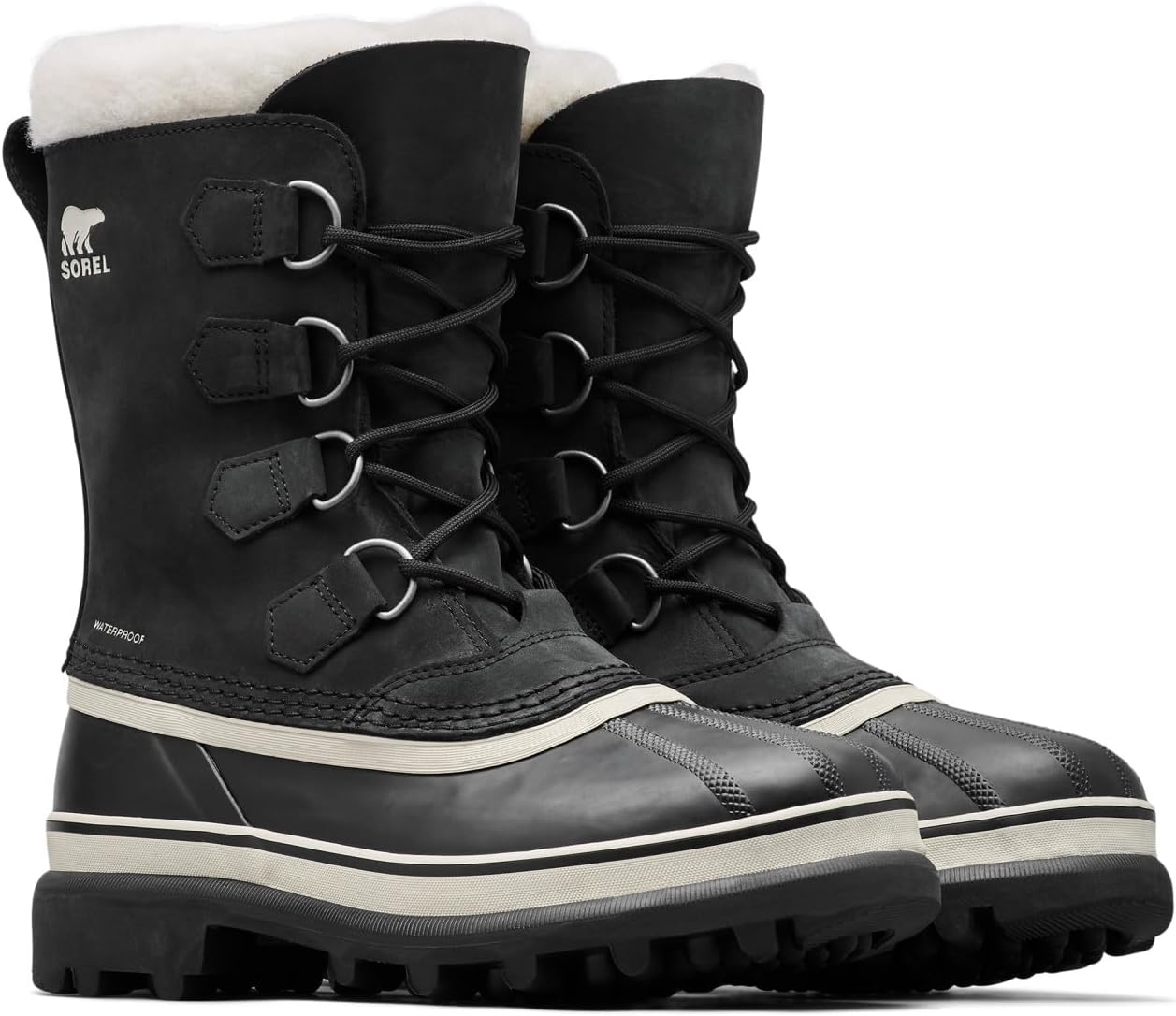
The lug pattern provides multidirectional grip without being so aggressive that walking on clear floors becomes awkward.
My Complete Two-Winter Journey: The Real Story
Winter One: The Breaking-In Phase
First Week Reality Check: I won’t lie – these waterproof boots felt stiff initially. The leather upper needed breaking in, and the substantial construction felt heavy compared to my previous lightweight (useless) boots.
My strategy: I wore them around the house for a few hours each evening while doing chores. By day 10, the leather had softened enough that they felt like an extension of my feet.
First Real Test: A snowstorm dumped 12 inches overnight. I spent two hours shoveling the driveway and clearing pathways. My feet? Completely warm and dry. My previous boots would have been soaked through within 30 minutes.
Temperature Performance: We hit a cold snap with temperatures hovering around 0°F for a week. Walking the dog every morning, my feet never felt cold. The removable liner made all the difference – the 9mm of insulation created a genuine warmth barrier.
Unexpected Benefit: The adjustable laces let me customize the fit depending on whether I’m wearing thin socks or thick wool ones. This flexibility proved more valuable than I anticipated.
Winter Two: The True Test of Durability
Still Going Strong: After an entire winter of daily wear, I started the second season wondering if performance would degrade. These warm winter boots showed minimal wear and maintained their waterproof integrity completely.
Salt Stain Reality: Full transparency – the leather upper does show salt staining after exposure to road treatments. I learned to wipe them down after each wear and condition the leather monthly. This maintenance isn’t unique to Sorel; it’s just winter boot reality.
The Washable Liner Advantage: Being able to wash the inner boot liner is huge. After a weekend winter camping trip, the liners went straight into the washing machine. They came out fresh and maintained their insulating properties perfectly.
Expansion of Use Cases: I started wearing these waterproof winter boots women for activities I wouldn’t have risked with lesser boots:
- Winter hiking on challenging trails
- Ice fishing trips (standing on frozen lakes for hours)
- Outdoor winter events (Christmas markets, outdoor concerts)
- Commuting through slush and snow
Comparing Sorel Caribou to Other Winter Boot Options
vs. Fashion-Forward Winter Boots
Let’s address the elephant in the room: plenty of boots look more stylish than the Caribou. But here’s what I learned about the fashion-vs-function debate.
Cute Boots That Failed Me: My previous “fashionable” winter boots looked great with my winter coat. They also soaked through in any real winter conditions and provided zero traction on ice.
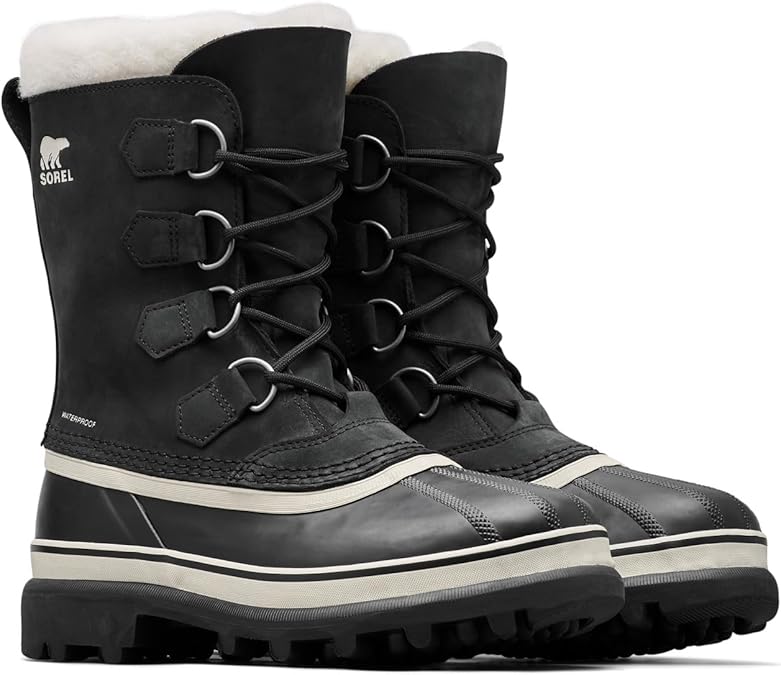
The Caribou Compromise: These waterproof boots aren’t going to win fashion awards, but they’re not ugly either. The classic design is actually pretty timeless. I can wear them with jeans or snow pants without feeling ridiculous.
Function-First Philosophy: SOREL’s tagline about “function-first fashion” is accurate. These prioritize performance, but they’ve put thought into aesthetics too.
vs. Cheaper Waterproof Alternatives
Before Sorel, I’d tried three different budget waterproof boots. Here’s the honest comparison:
$50 Big Box Store Boots: Lasted one season before seams separated and waterproofing failed. Minimal insulation meant my feet were always cold. Poor traction led to several slips.
$80 Mid-Range Options: Better than budget boots but still fell short. The “waterproof membrane” eventually leaked, and the synthetic insulation compressed, reducing warmth over time.
Sorel Caribou: Higher upfront cost (~$160-$200) but genuinely waterproof, properly insulated, and built to last multiple seasons. When calculated per-season cost, they’re actually more economical.
vs. Other Premium Winter Boots
Baffin Arctic Boots: More extreme cold protection but significantly heavier and bulkier. Unless you’re working in -50°F conditions regularly, they’re overkill.
Columbia Bugaboot: Good boots at a slightly lower price point, but reviewers consistently note the Caribou offers better build quality and durability.
The North Face Winter Boots: Comparable performance but often higher price with less proven longevity than Sorel’s 60+ year track record.
Who Should Invest in These Waterproof Boots?
Perfect Candidates for Sorel Caribou
Serious Winter Climate Residents: If you experience real winters with significant snow and temperatures regularly below freezing, these warm winter boots are essential equipment, not optional gear.
Outdoor Winter Enthusiasts: Whether you’re into winter hiking, snowshoeing, ice fishing, or just love winter walks, these winter hiking boots handle whatever you throw at them.
Practical Commuters: If your daily routine involves walking through snow-covered parking lots, waiting at bus stops in the cold, or navigating slushy city streets, the waterproof reliability matters.
Dog Owners: Walking dogs in winter weather becomes bearable – even pleasant – when your feet stay warm and dry. These waterproof winter boots women turn a chore into something manageable.
Quality-Over-Quantity Shoppers: People who prefer buying once and buying right rather than replacing cheap products annually will appreciate the Caribou’s durability.
When to Consider Alternatives
Mild Winter Climates: If your winters rarely drop below 30°F or you see minimal snow, these might be more boot than necessary. A lighter waterproof option might suffice.
Budget Constraints: The upfront cost is real. If $160-$200 isn’t feasible right now, waiting to save for quality beats settling for inadequate boots that’ll need replacing.
Hiking-Specific Needs: For serious winter backpacking with heavy packs, dedicated hiking boots with ankle support might serve better. The Caribou handles casual winter hiking but isn’t designed for technical mountaineering.
Fashion Priorities: If aesthetics are your primary concern and function is secondary, these practical waterproof boots might not align with your style goals.
Maximizing Your Waterproof Boots Investment
Sizing Strategy That Actually Works
The Thick Sock Factor: I ordered a half-size up from my normal shoe size to accommodate thick wool socks. This proved essential – trying to wear these with thin socks in extreme cold defeats the purpose.
Width Consideration: The Caribou runs true to width. If you typically need wide shoes, size up appropriately. The adjustable laces provide some customization, but they won’t magically make narrow boots wider.
Break-In Period Planning: Buy these at least two weeks before you absolutely need them. The leather requires breaking in, and you don’t want your first wear to be during a blizzard.
Maintenance Practices I’ve Learned
Post-Wear Cleaning: After each use in salty conditions, wipe down the leather and rubber with a damp cloth. Five minutes of maintenance prevents permanent staining and extends boot life.
Leather Conditioning: Monthly conditioning (I use mink oil) keeps the leather supple and maintains its water-resistant properties. Neglect this and the leather will crack over time.
Liner Care: Remove and air-dry the inner liner after particularly sweaty wear. Machine wash when needed, but air dry completely before reinserting – never put it in the dryer.
Storage Strategy: Store these warm winter boots in a cool, dry place during off-season. Stuff them with newspaper to maintain shape and absorb any residual moisture.
Advanced Usage Tips
Layering System: On extremely cold days, I wear thin liner socks under thick wool socks. This two-layer approach manages moisture and maximizes warmth.
Tightness Adjustment: I lace these waterproof boots differently for different activities:
- Looser for casual wear and maximum circulation
- Tighter for hiking and activities requiring ankle support
- Medium for general winter commuting
Emergency Warmth: If temperatures drop unexpectedly, chemical toe warmers fit perfectly inside the removable liner. This backup warmth option has saved several outdoor events from early retreat.
The Investment Reality: Cost vs. Value
Breaking Down the Total Investment
Upfront Cost: Caribou boots typically retail between $160-$200 depending on sales and color choices. This represents a significant investment compared to budget alternatives.
Longevity Factor: I’m entering winter three with my original pair showing minimal wear. Conservative estimate: these will last at least 5-7 winters with proper care.
Cost Per Season: $160 ÷ 5 winters = $32/season. When compared to replacing $50 boots annually, the economics favor quality from the start.
Additional Savings: Fewer sick days from cold-related illness, no emergency boot replacements mid-winter, and avoiding the discomfort tax of inadequate footwear.
The Intangible Value Equation
Beyond spreadsheets, consider:
- Comfort Factor: Never worrying about cold, wet feet changes your entire winter experience
- Confidence: Knowing your waterproof boots handle any conditions means saying yes to more winter activities
- Time Savings: Not shopping for replacement boots every season frees up time and mental energy
- Quality of Life: Genuinely enjoying winter rather than just surviving it
Real Talk: What Could Be Better?
Minor Frustrations I’ve Encountered
Weight Reality: These waterproof winter boots women are substantial. If you’re used to lightweight footwear, the 3+ pound weight per boot takes adjustment. My calves noticed during the first week.
Limited Color Options: If you want fashion variety, you’ll be disappointed. The classic Caribou comes in limited colorways focused on function over trend.
Break-In Period: The stiff leather requires patience. Those first few wears aren’t comfortable, though this is necessary for the durability that follows.
Price Barrier: The upfront cost remains a legitimate obstacle for many buyers, even though the long-term value is solid.
What Exceeded Expectations
Traction Performance: I expected decent grip; I got excellent confidence on ice and packed snow that surpassed premium competitors.
Liner Removability: Being able to wash the inner boot transformed these from one-season boots to genuinely long-term investment pieces.
Versatility Range: I initially bought these for snow shoveling. They’ve since become my go-to for everything from winter hiking to running errands.
My Final Verdict on These Waterproof Boots
After two complete winters and countless hours in conditions ranging from light snow to blizzard conditions, I can definitively assess the Sorel Women’s Caribou waterproof boots.
Rating: 9.2/10
What Genuinely Impressed Me:
- 100% waterproof performance in all tested conditions
- Exceptional warmth in sub-zero temperatures
- Durable construction showing minimal wear after heavy use
- Removable, washable liner extends usability
- Outstanding traction on ice and snow
- Timeless design that doesn’t look dated
What Could Improve:
- Lighter weight would enhance all-day comfort
- More color variety for style preferences
- Lower price point for accessibility
- Quicker break-in period
Would I Recommend These Winter Boots?
Absolutely – with clear qualifications. If you experience genuine winter weather and need reliable waterproof winter boots women can depend on, the Caribou delivers exceptional performance and durability that justifies the investment.
For mild climates or occasional snow exposure, these might be more boot than necessary. But for anyone tired of cold, wet feet and replacing inadequate boots annually, the Sorel Caribou represents the end of that frustrating cycle.
Your Path Forward: Making the Winter-Ready Choice
Ready to upgrade your winter footwear game? Here’s your action plan:
Step 1: Assess your actual winter conditions and usage needs honestly Step 2: Determine your correct size (remember: size up for thick socks) Step 3: Budget for the upfront investment Step 4: Order early (late summer/early fall for best selection) Step 5: Break them in before the first major snowfall
Two winters ago, I was the person with perpetually frozen toes, replacing cheap boots annually and dreading every winter outing. Today, I actually look forward to winter walks because I know my feet will stay warm, dry, and comfortable.
The Sorel Caribou waterproof boots didn’t just solve a footwear problem – they fundamentally transformed my relationship with winter. Sometimes the best gear is the kind that disappears from your awareness because it works so perfectly you forget it’s even there.
Ready to experience winter comfort like never before? Your warm, dry feet are waiting.
What’s your biggest winter boot frustration? Have you found footwear that actually handles real winter conditions? Share your experiences in the comments below!