
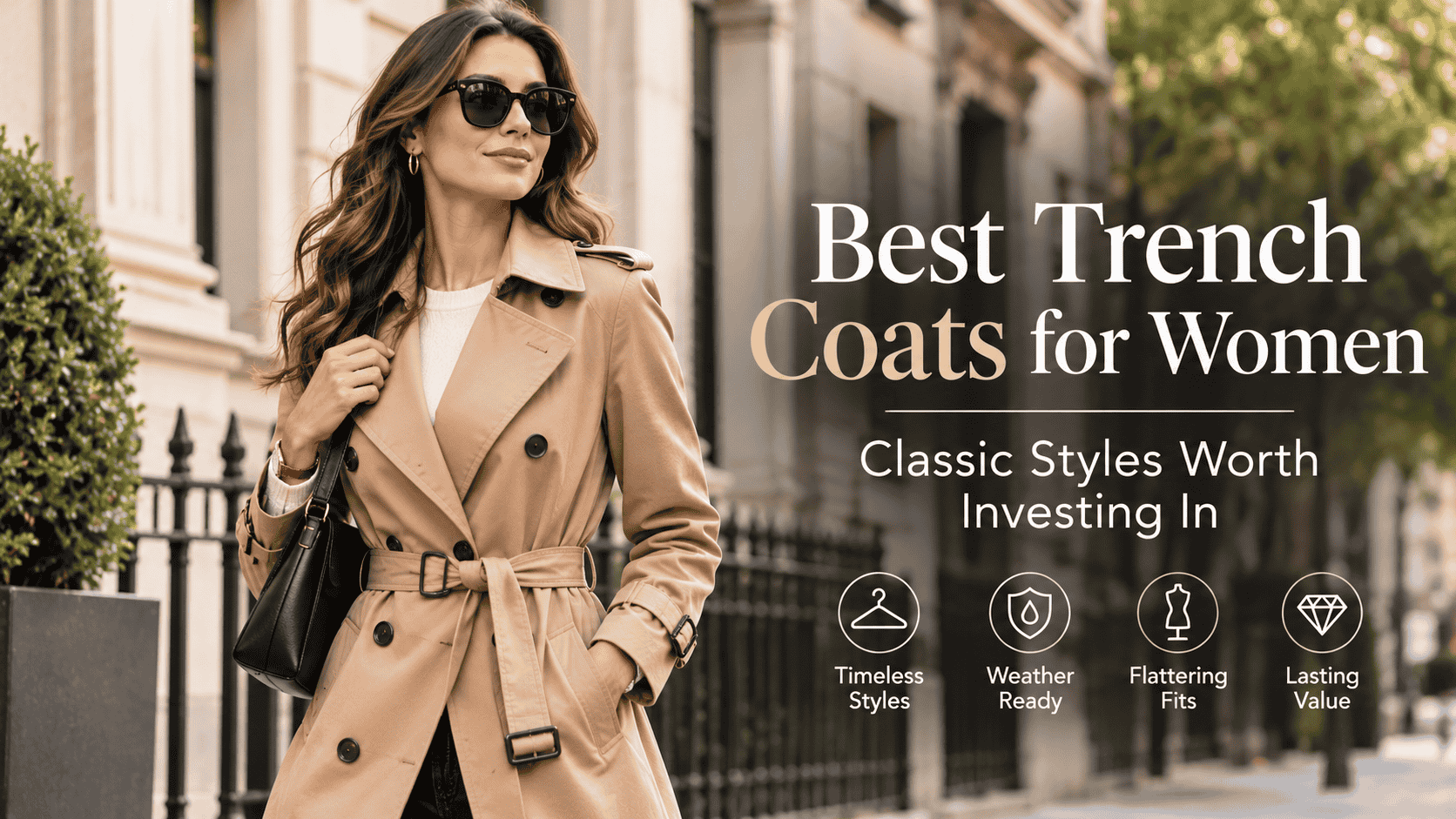
The best trench coats for women combine timeless design, practical coverage, and effortless styling. They can make everyday outfits look polished without requiring an entirely new wardrobe. A classic trench works beautifully over jeans, tailored trousers, dresses, and lightweight knitwear. You can wear it to the office, while travelling, or during those unpredictable days between seasons.
However, not every trench coat offers the same benefits. Some prioritize traditional tailoring, while others focus on relaxed silhouettes, lightweight fabrics, or protection from rain.
Choosing the right one means looking beyond its appearance. Fabric, lining, length, fit, and weather resistance all influence how useful your coat will be. This guide explores the most versatile trench coat styles, explains what to look for before buying, and shows you how to wear them throughout the year.
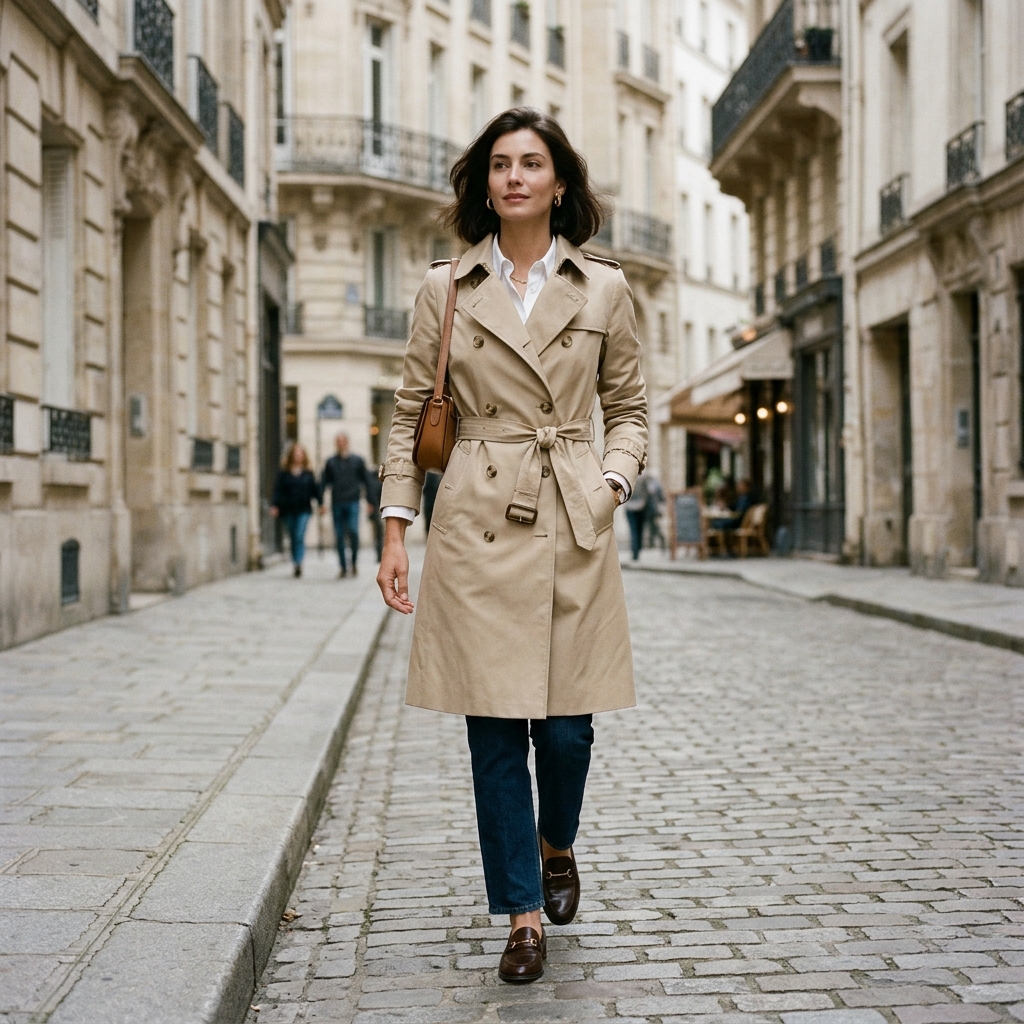
What Makes the Best Trench Coats for Women Worth Buying?
A trench coat earns its place in your wardrobe through versatility and thoughtful construction. Its value depends on how well it suits your climate, personal style, and everyday routine. Before choosing a design, pay attention to five important features.
1. Quality Fabric
The fabric determines how a trench coat feels, drapes, and performs in different weather conditions. Cotton and cotton-blend fabrics often create a structured, classic appearance. They can work well for everyday wear and transitional weather. Polyester and other synthetic fabrics offer different advantages. Some feel lightweight, resist wrinkles, or feature water-repellent finishes.
Gabardine is a tightly woven fabric associated with traditional trench coats. Its construction can help shed light moisture, although performance depends on the specific fabric and finish. Do not assume every cotton trench is waterproof or every polyester trench is water-resistant. Look at the garment’s actual construction and stated weather protection.
2. A Flattering, Comfortable Fit
A good trench coat should allow movement while maintaining its intended shape. Classic designs often feature a defined waist, structured shoulders, and a belt. Modern versions may use dropped shoulders, relaxed sleeves, or an oversized silhouette.
Neither fit is automatically better. The right choice depends on your wardrobe and how you plan to layer underneath. Try the coat over a sweater or blazer if you expect to wear it in cooler weather. Check that the buttons close comfortably and the sleeves allow unrestricted movement.
3. Practical Length
Trench coats come in cropped, hip-length, knee-length, and longline designs. Shorter styles work well with high-waisted trousers, jeans, and casual outfits. Mid-length coats offer a useful balance between coverage and mobility. Long trench coats create an elegant silhouette and provide more coverage. However, their length should suit your height and daily activities.
Consider how the hem looks with your usual footwear. You should also be able to walk comfortably without the coat catching on your legs.
4. Useful Weather Protection
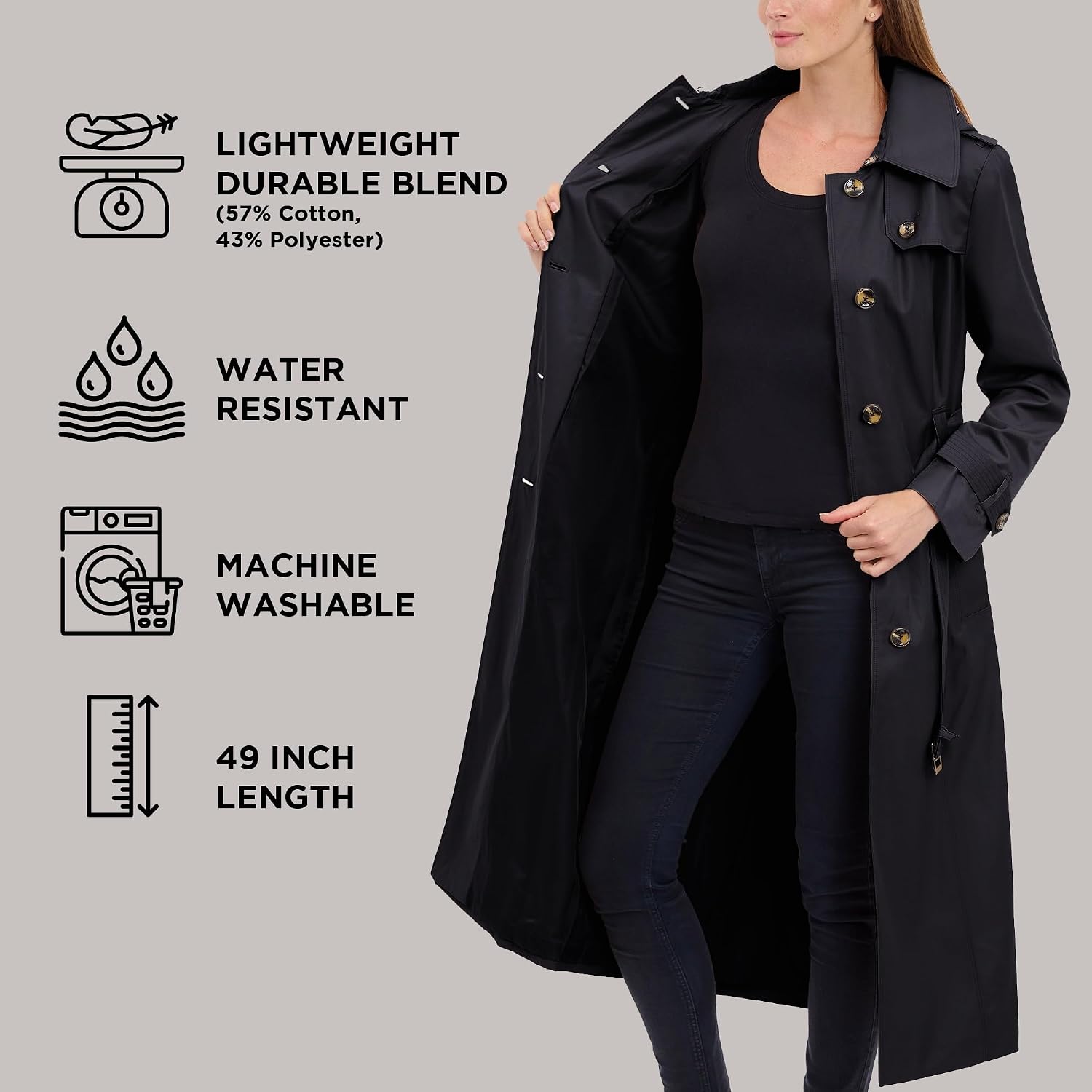
A trench coat can provide protection from wind and light rain, but not every model is designed for wet weather. A water-repellent finish encourages water to bead on the surface. Water-resistant construction offers some protection from moisture, while waterproof garments are designed to provide a stronger barrier.
These terms are not interchangeable. If you regularly walk in heavy rain, prioritize a coat with clearly stated waterproof protection and suitable seam construction. For mild weather, a lighter trench may be sufficient.
5. Timeless Details
Classic trench coats often feature double-breasted fronts, notched lapels, adjustable belts, and storm flaps. These details create the familiar silhouette that makes the trench so versatile. However, you do not need every traditional feature to enjoy the style.
A minimalist single-breasted coat can feel more modern. An oversized trench offers a relaxed alternative, while a cropped version creates a fashion-forward look. Choose details that complement your existing wardrobe rather than following every passing trend.
The Best Trench Coat Styles for Women
Different trench coat silhouettes suit different occasions, proportions, and climates. Understanding the main styles will help you narrow your choices.
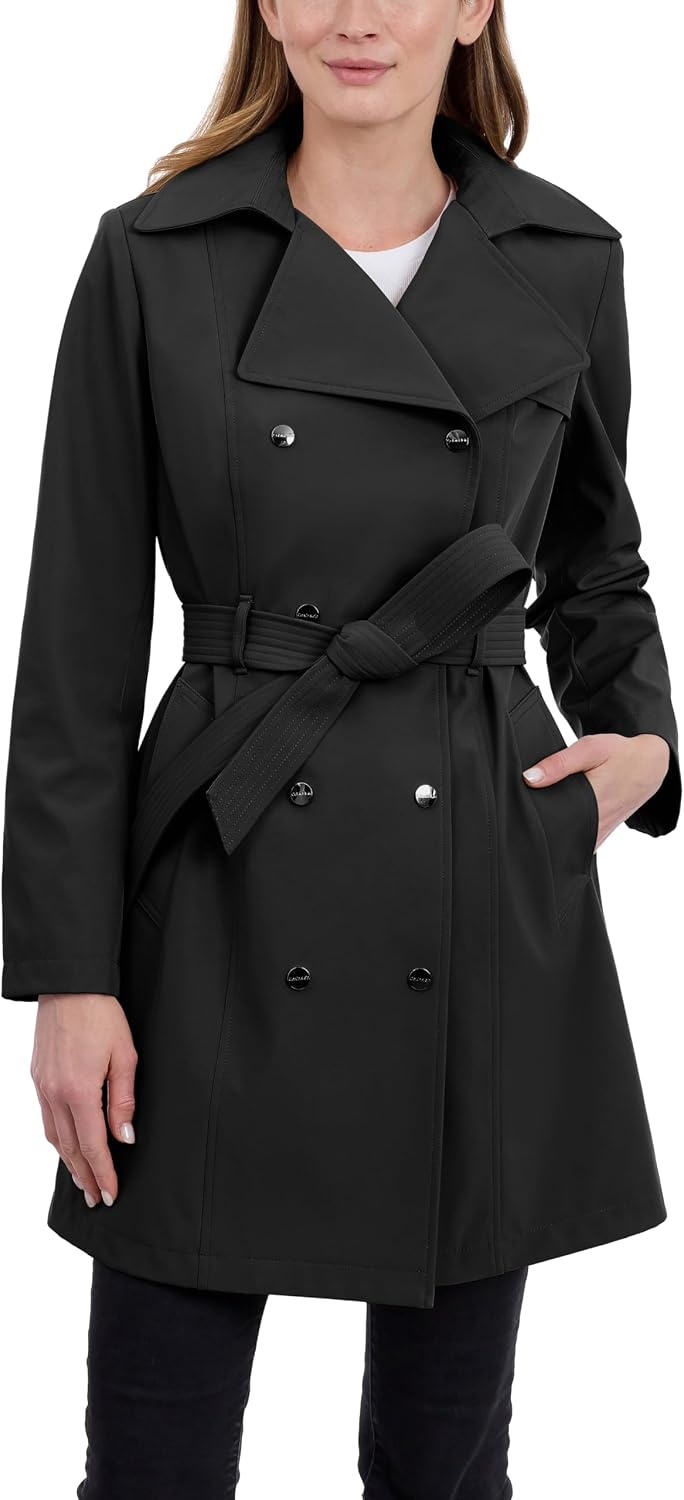
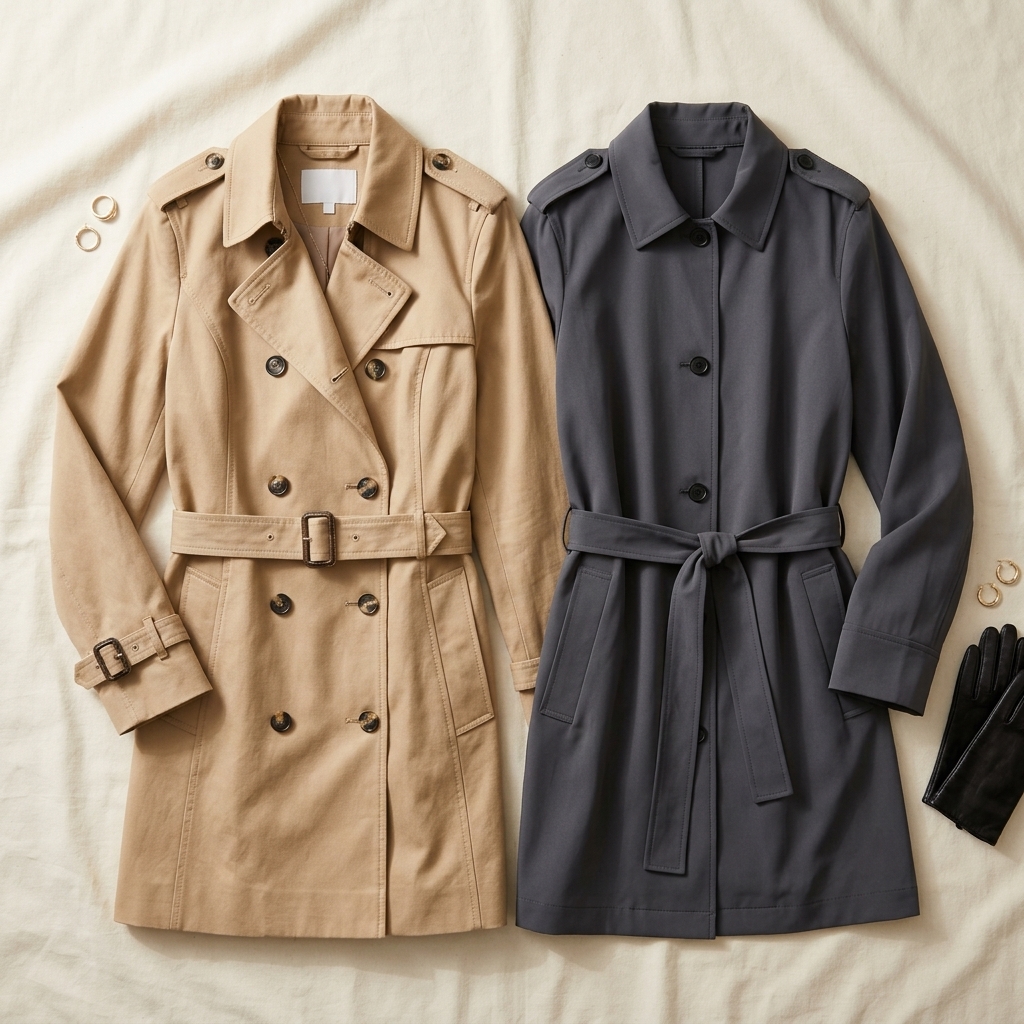
1. The Classic Double-Breasted Trench Coat
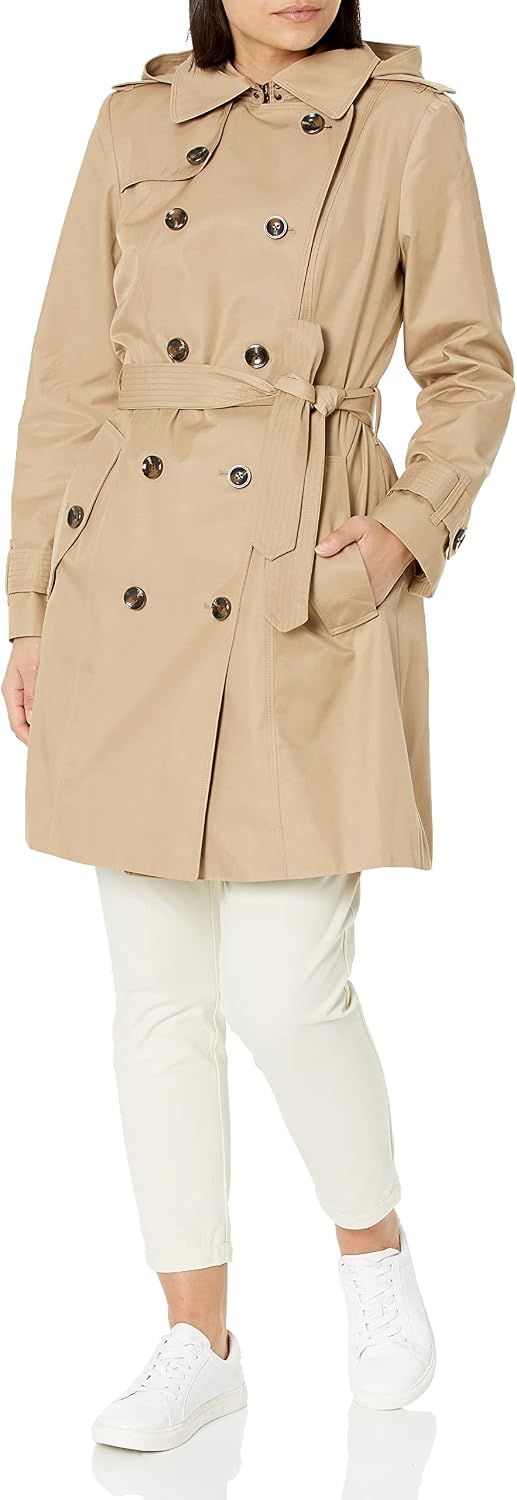
The double-breasted trench is the most recognizable style. It usually features two rows of buttons, a belted waist, a pointed collar, and a structured silhouette. Traditional designs may also include shoulder tabs and a storm flap. A beige or khaki version offers exceptional versatility. You can wear it over office clothing or use it to elevate a simple jeans-and-T-shirt outfit.
For a polished everyday look, pair it with straight-leg jeans, a white shirt, and loafers. Add a structured handbag to complete the outfit. This style is a strong starting point if you want a trench coat that will remain relevant beyond one season.
Amazon styles to explore:
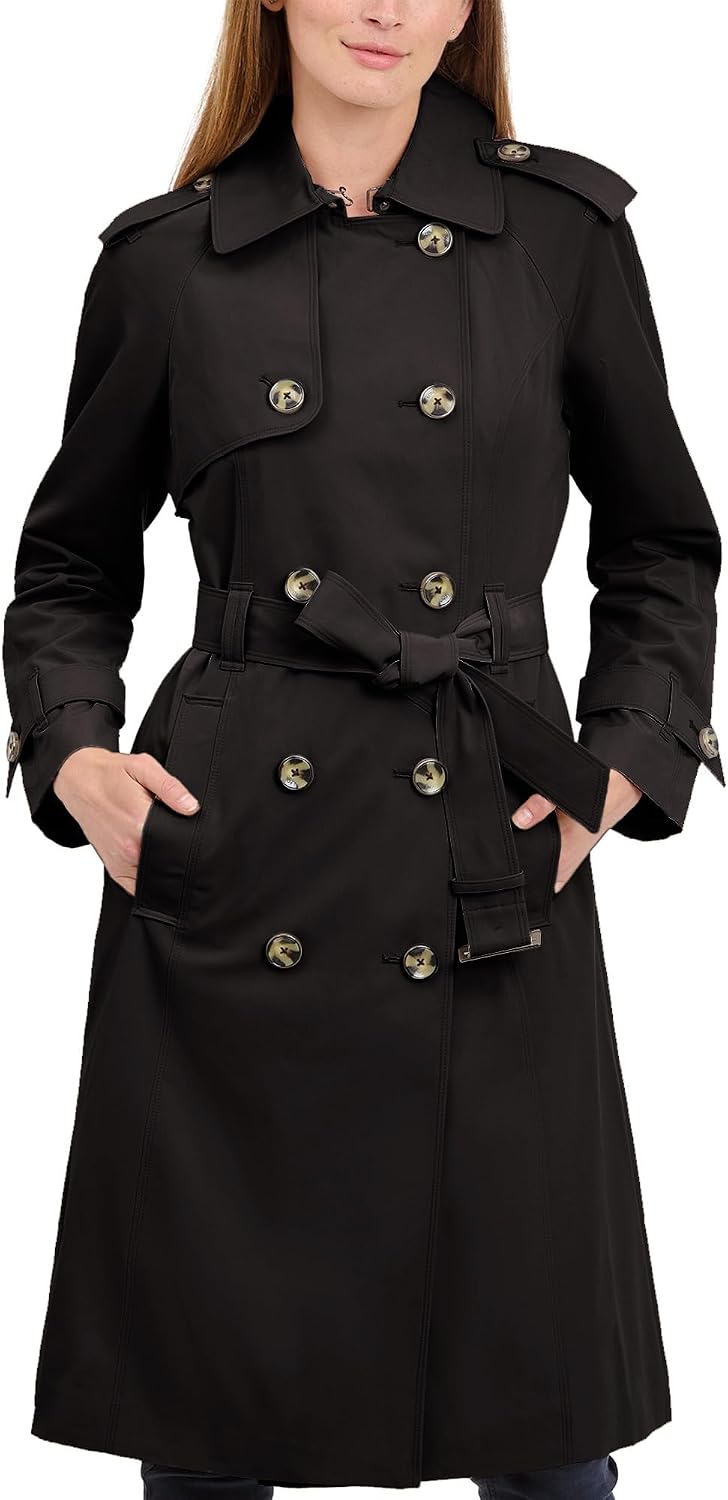
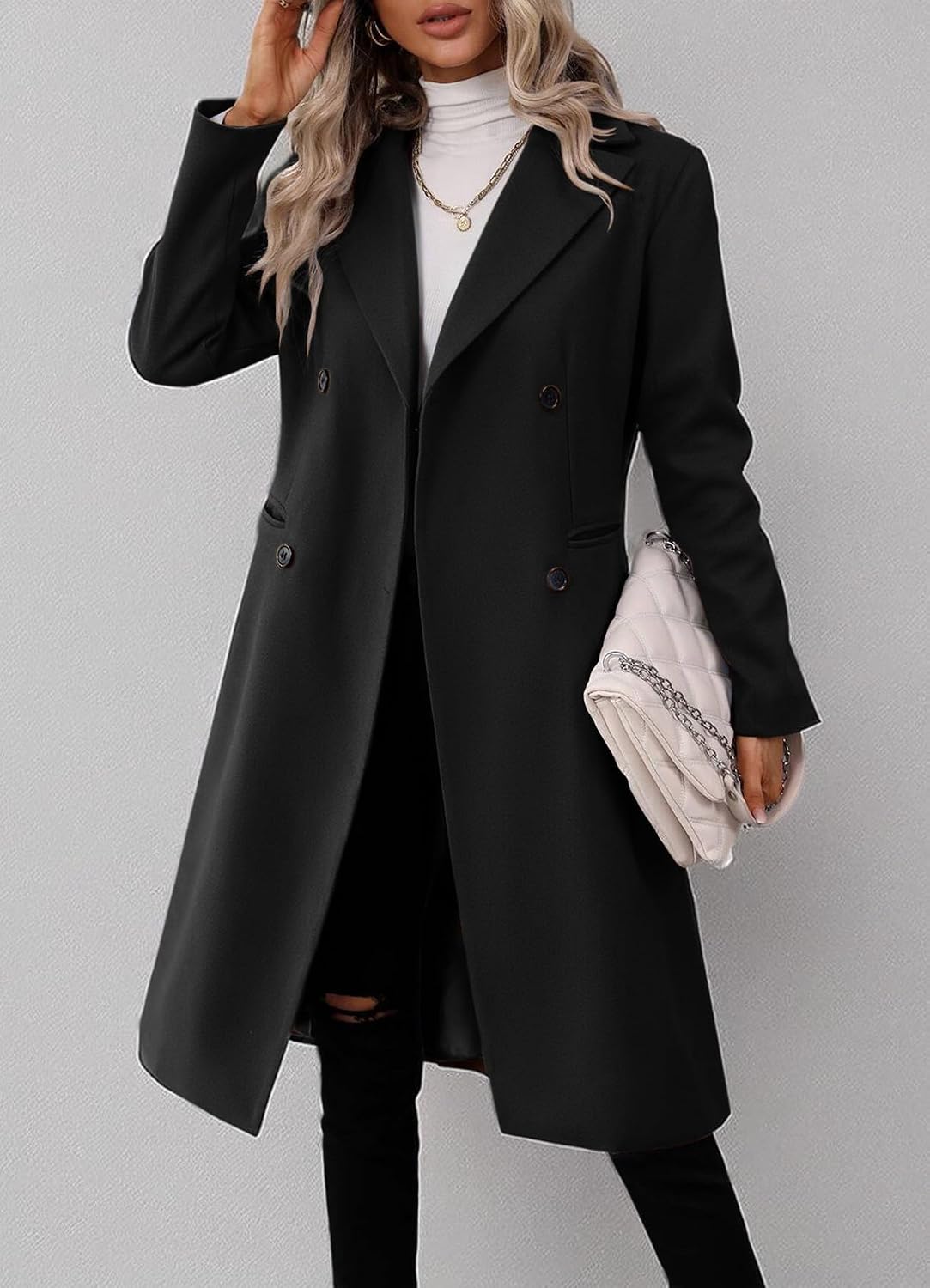
2. The Long Trench Coat
A long trench coat creates a refined silhouette while providing more coverage than shorter designs. Depending on its cut, it may fall below the knee or toward the lower calf. This length works especially well with tailored trousers, midi dresses, and slim-fitting casual outfits.
A long trench can also create a cohesive travel outfit. Wear it over a lightweight knit, comfortable trousers, and ankle boots for a polished look. Pay attention to the back vent and overall length. These details affect how comfortably the coat moves when you walk or sit.
If you are petite, a less voluminous longline style may feel easier to balance. Taller women may prefer a dramatic, full-length silhouette.
Amazon styles to explore:
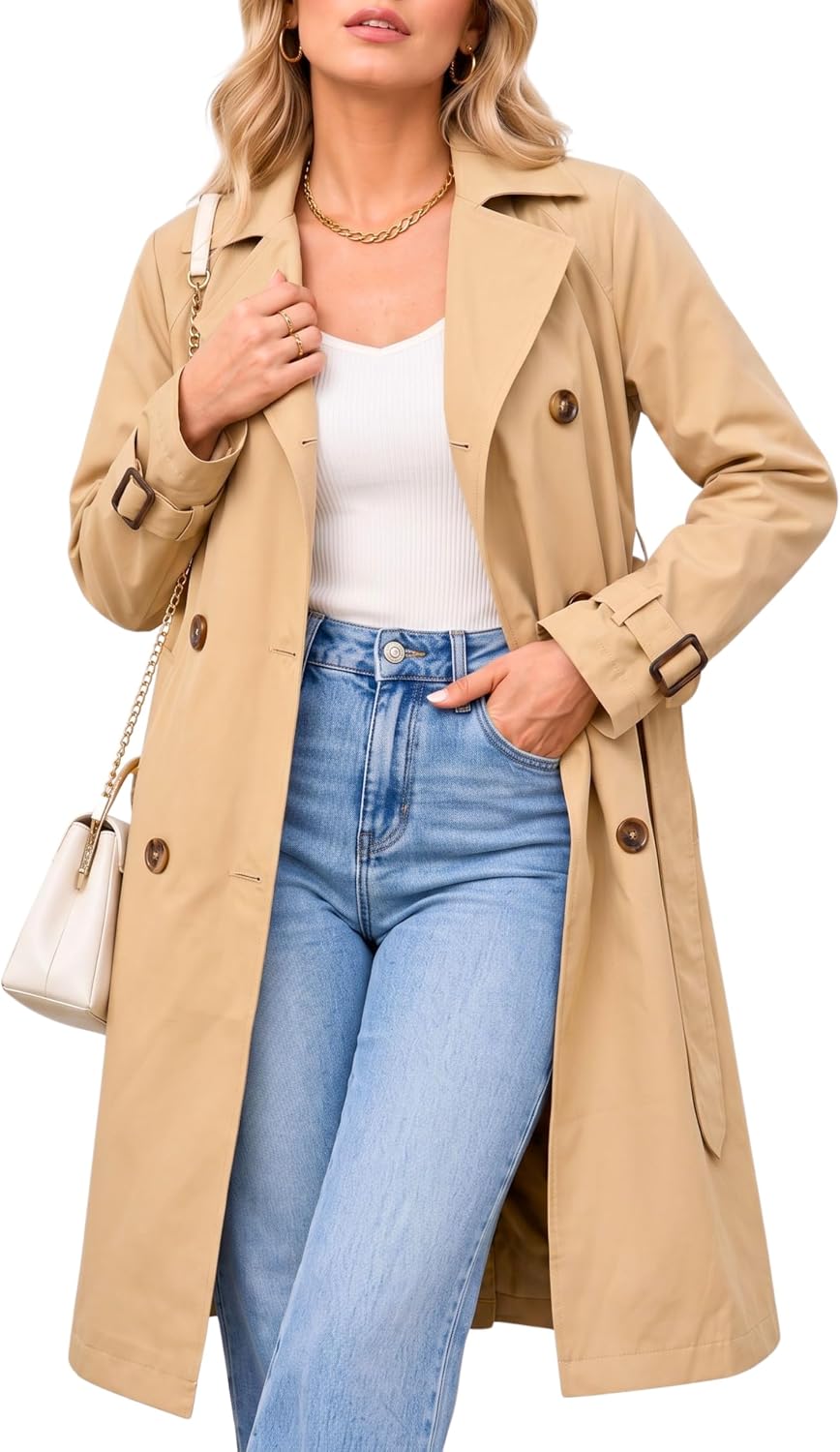
3. The Lightweight Trench Coat
A lightweight trench is ideal for transitional weather. It provides a polished outer layer without the weight of a heavily lined winter coat. This makes it useful for spring, early autumn, travel, and cool summer evenings.
Look for breathable fabric, comfortable sleeves, and enough room for a thin sweater. A lightweight design is particularly practical when temperatures fluctuate throughout the day. However, lightweight does not automatically mean rainproof. Check the fabric and finish if weather protection is a priority.
Choose a neutral shade if you want to wear the coat with several outfits. Beige, navy, black, and olive are easy to coordinate.
Amazon styles to explore:
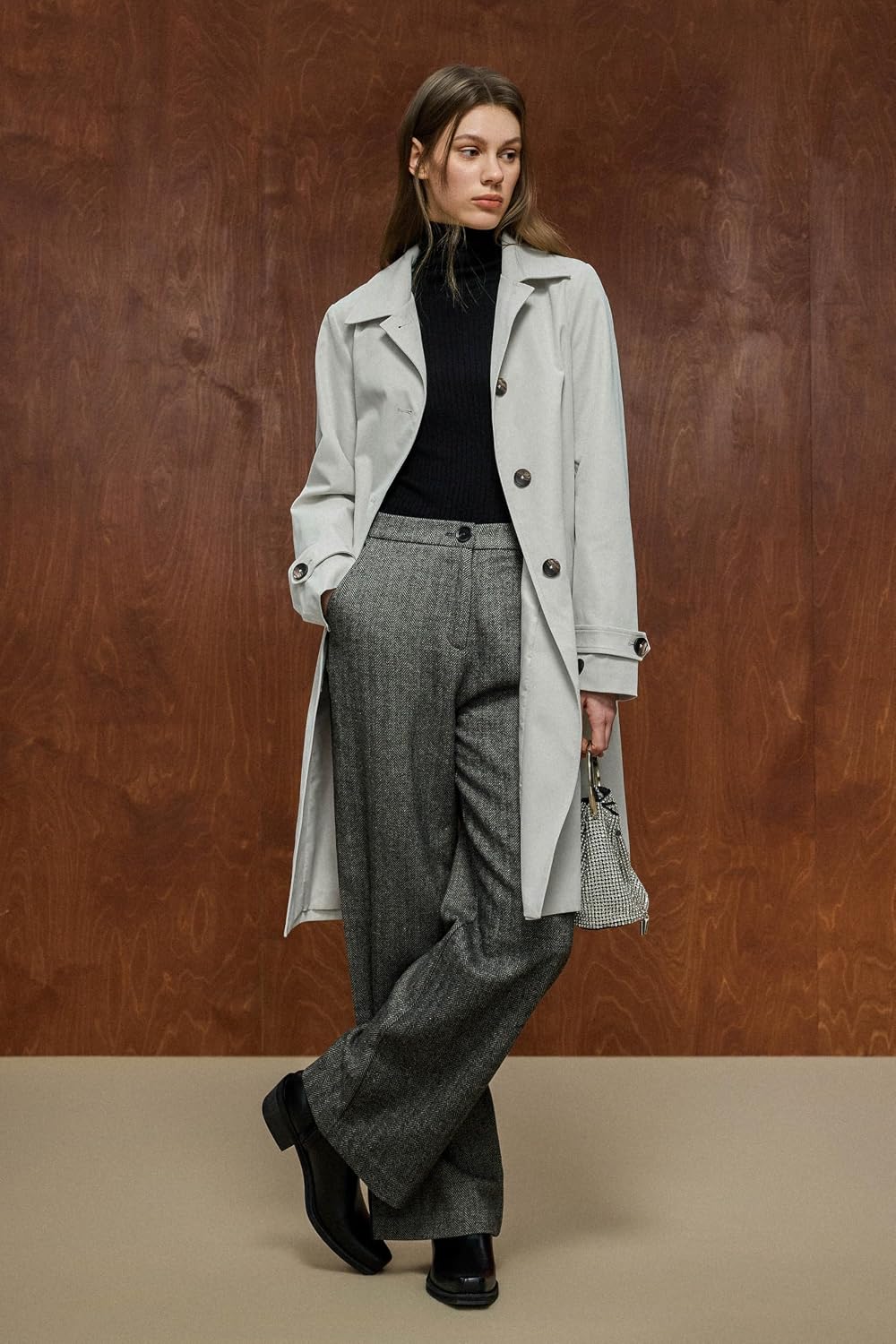
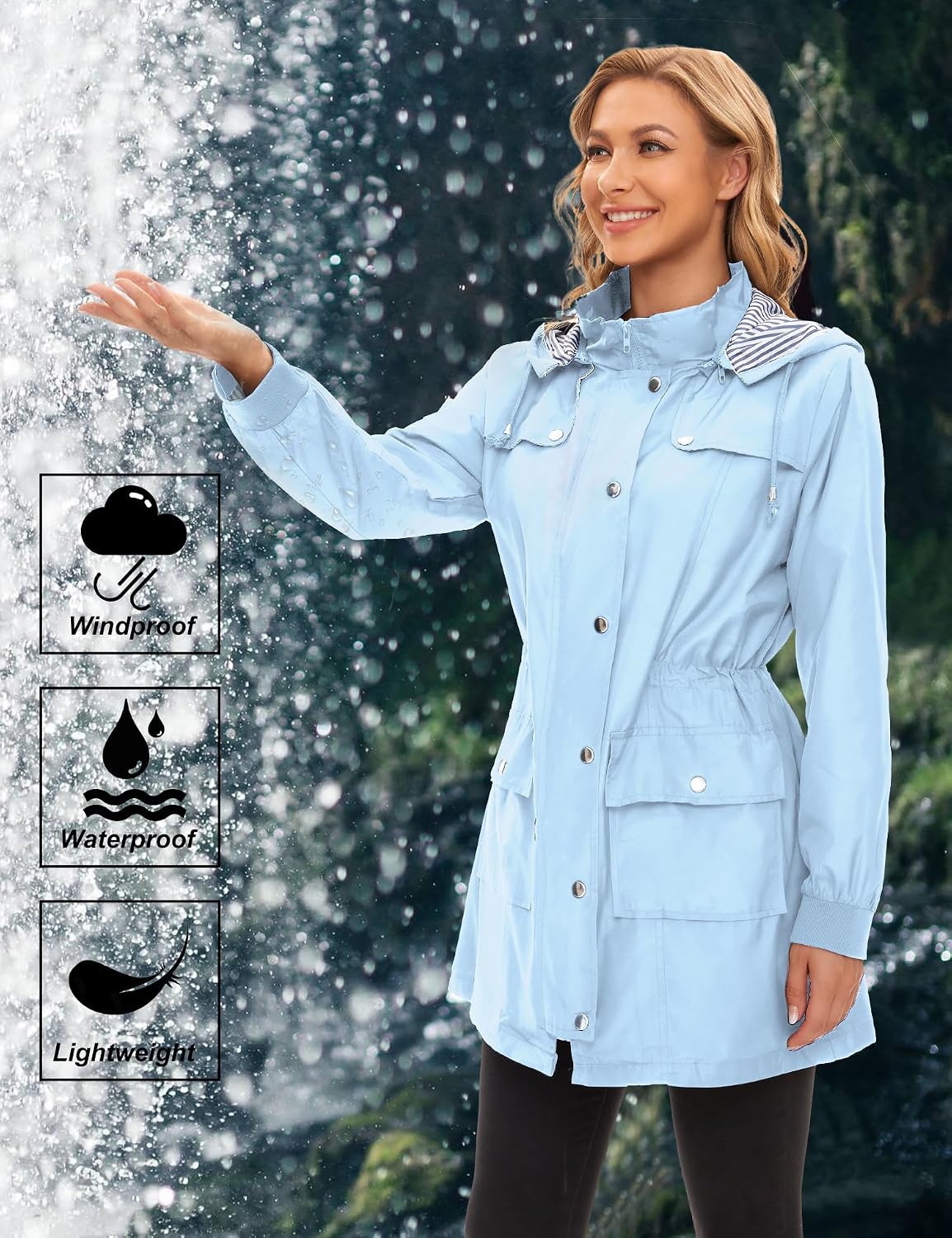
4. The Water-Resistant Trench Coat
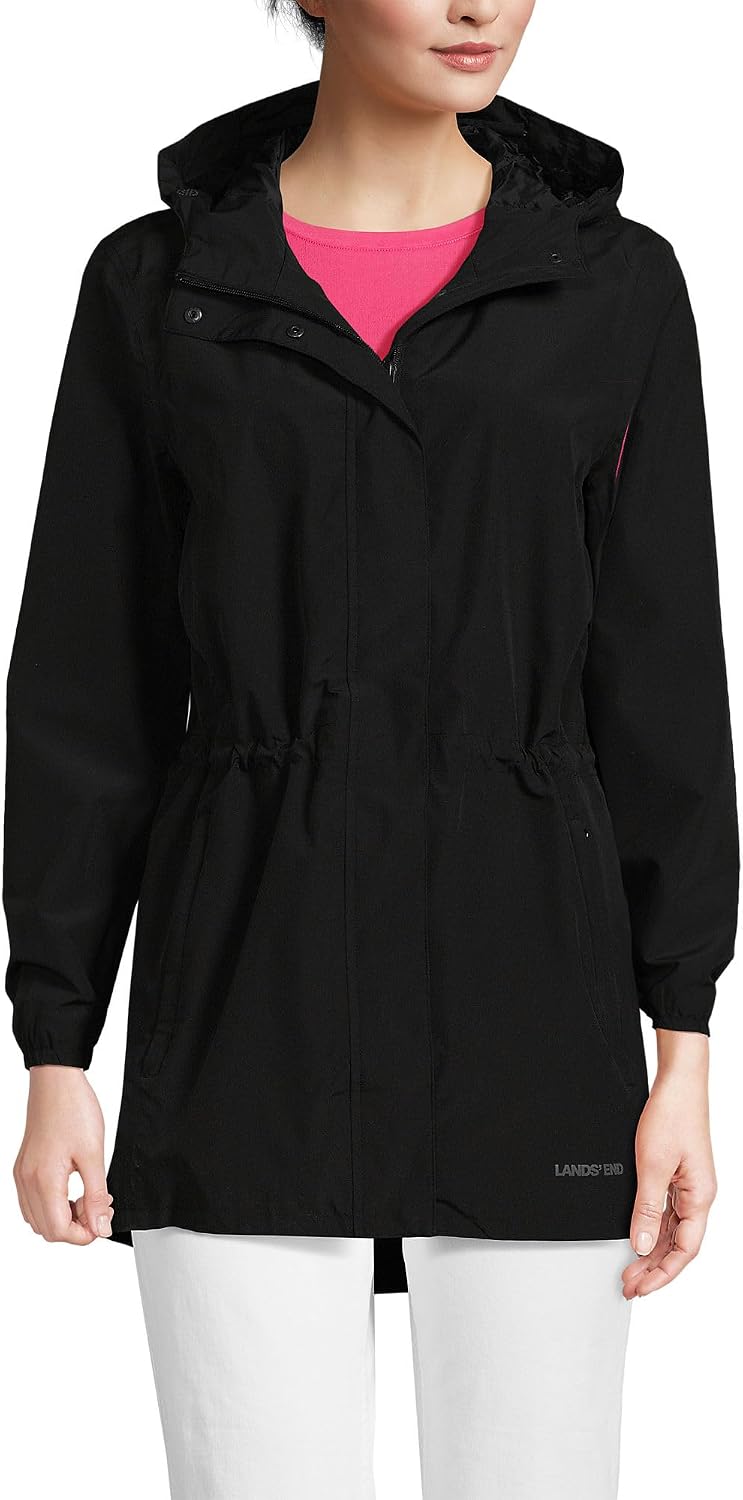
If you experience frequent drizzle or unpredictable weather, a water-resistant trench may be more practical than a purely fashion-focused design. These coats often use treated outer fabrics that help repel light moisture. Some also include adjustable cuffs, storm flaps, and hoods.
Such details can improve comfort when the weather changes unexpectedly. However, water-resistant fabric has limits. Prolonged or heavy rain can eventually penetrate the garment, depending on its construction and condition.
For regular wet-weather use, look for clear information about the coat’s water protection rather than relying on its appearance.
Amazon styles to explore:
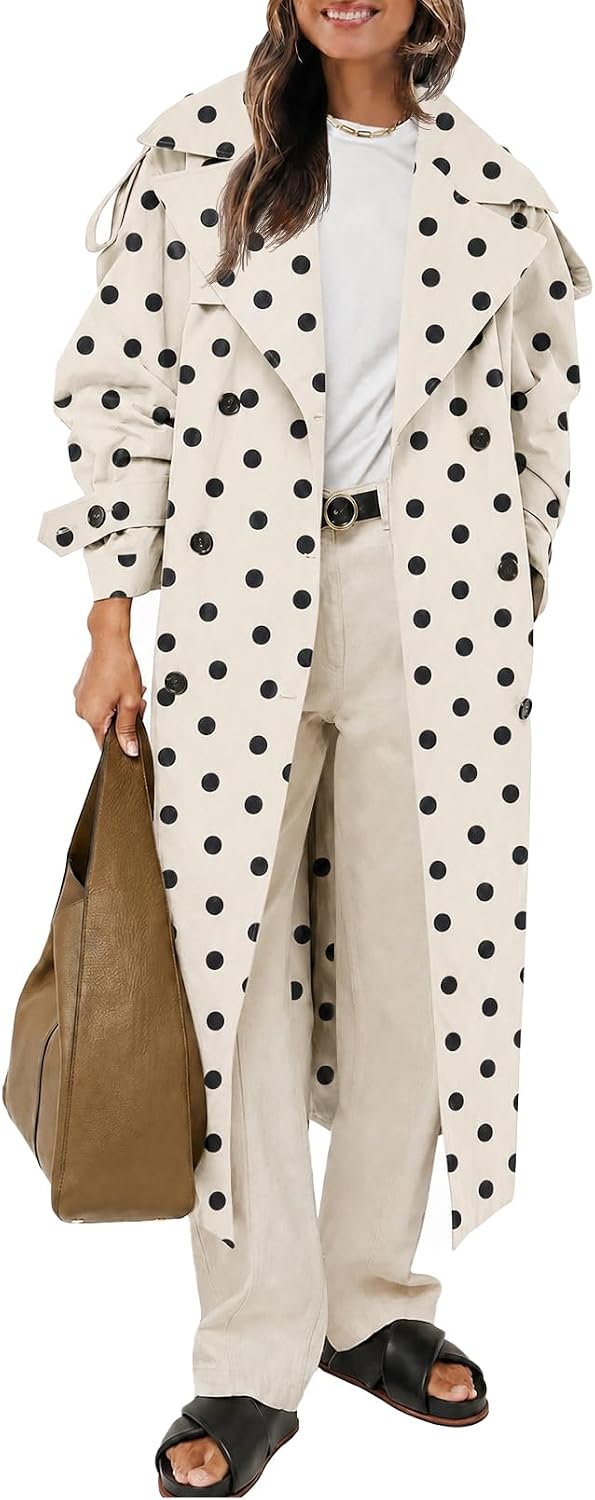
5. The Oversized Trench Coat
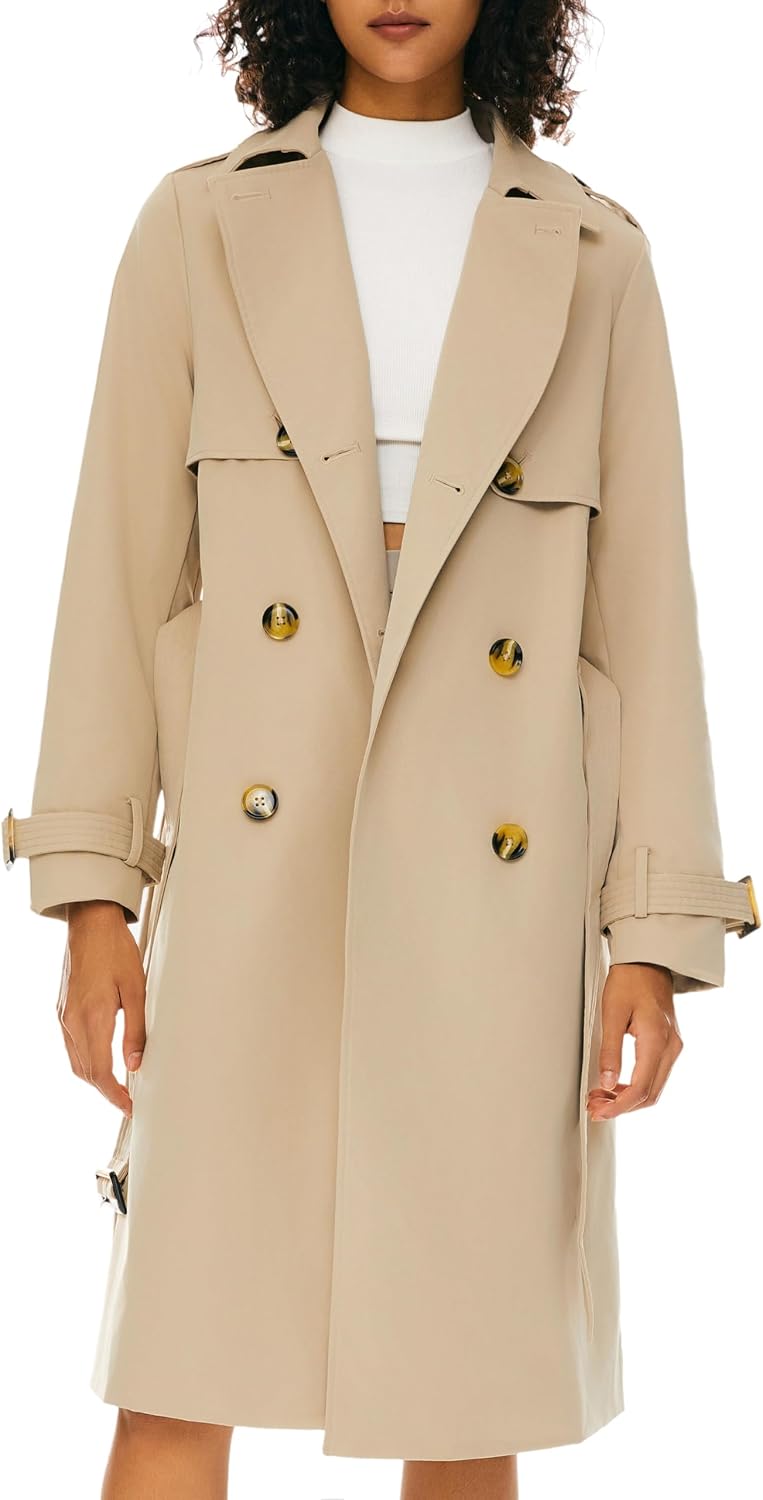
An oversized trench offers a relaxed alternative to traditional tailoring. Its roomier cut works well with chunky knitwear, relaxed denim, wide-leg trousers, and casual sneakers. It can also create an effortless layered look without feeling overly formal.
The key is proportion. If your coat has broad shoulders and generous volume, a streamlined outfit underneath can help maintain balance. You can also define the waist with the belt when you want a more structured shape. Leaving the coat open creates a more casual appearance.
Choose an oversized style because you enjoy the silhouette, not simply because it is trending.
Amazon styles to explore:
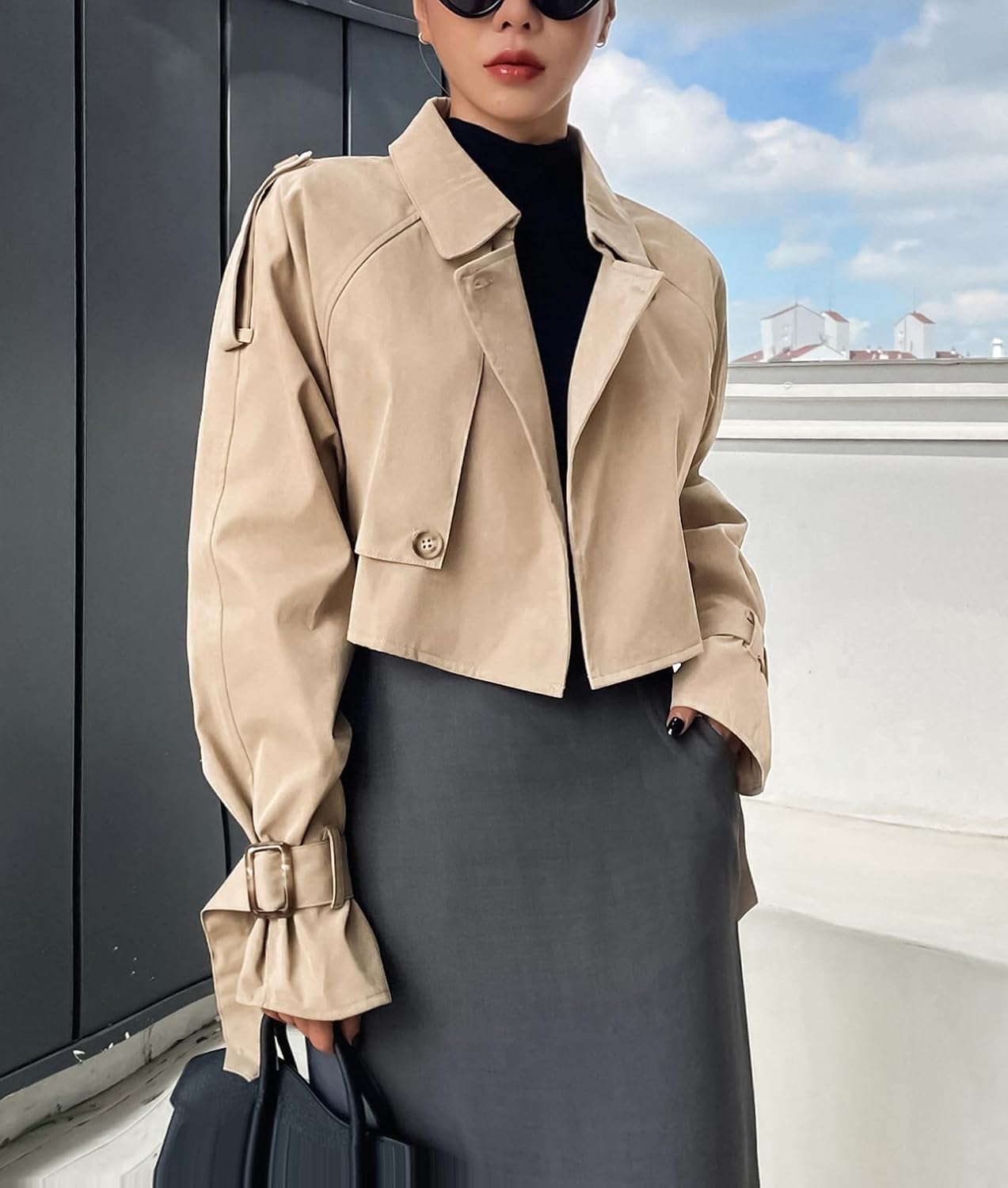
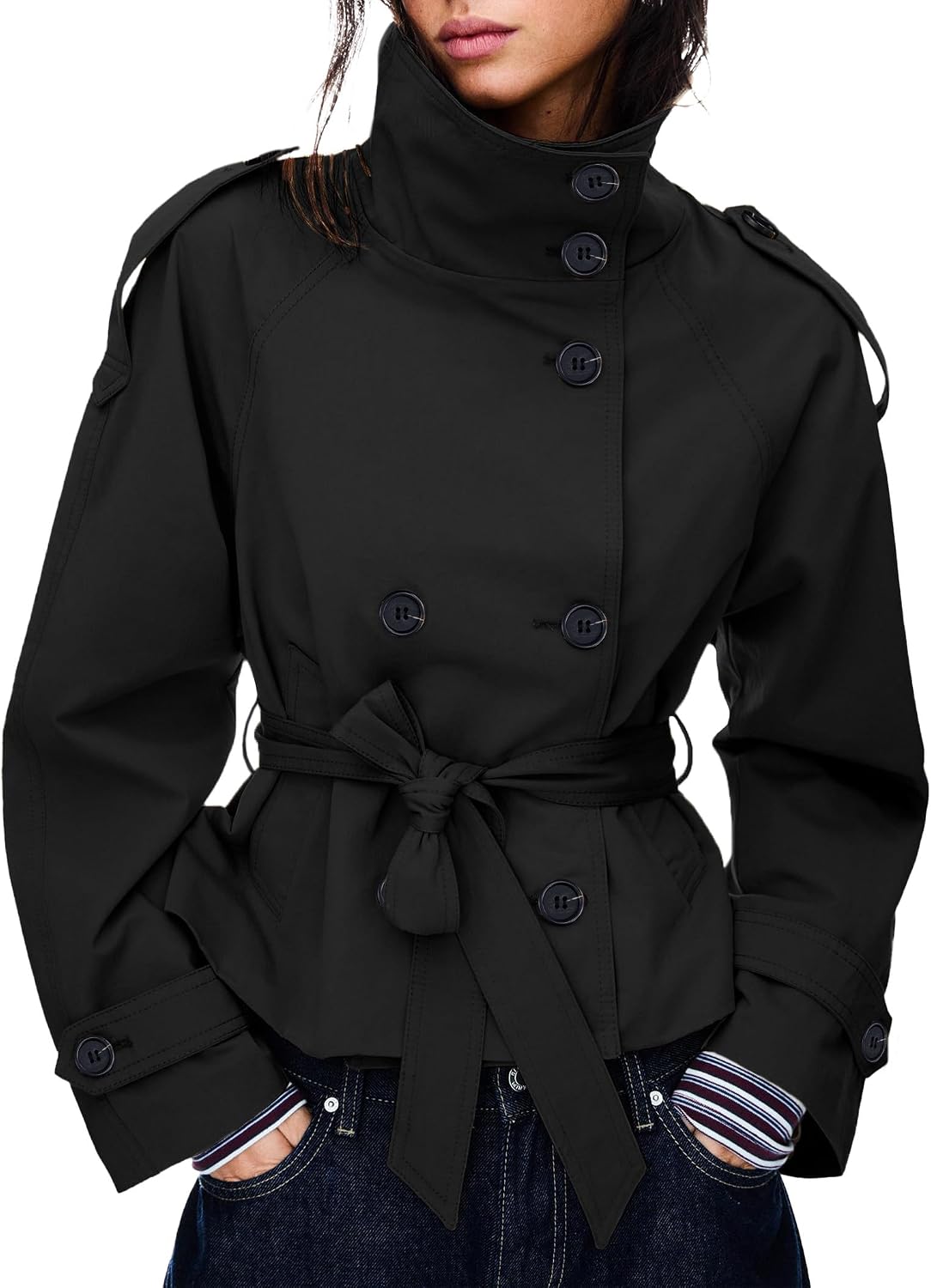
6. The Cropped Trench Coat
A cropped trench brings the classic design into a shorter, more contemporary silhouette. It pairs naturally with high-waisted jeans, tailored trousers, wide-leg pants, and midi skirts. The shorter hem can also make movement easier when driving or navigating busy streets.
Cropped trenches are especially useful when you want the look of a traditional trench without a long coat. However, they provide less coverage than longer styles. If you need protection from cold wind or persistent rain, consider whether the shorter length suits your routine.
For a polished outfit, wear a cropped trench with high-waisted tailored trousers and pointed flats.
Amazon styles to explore:
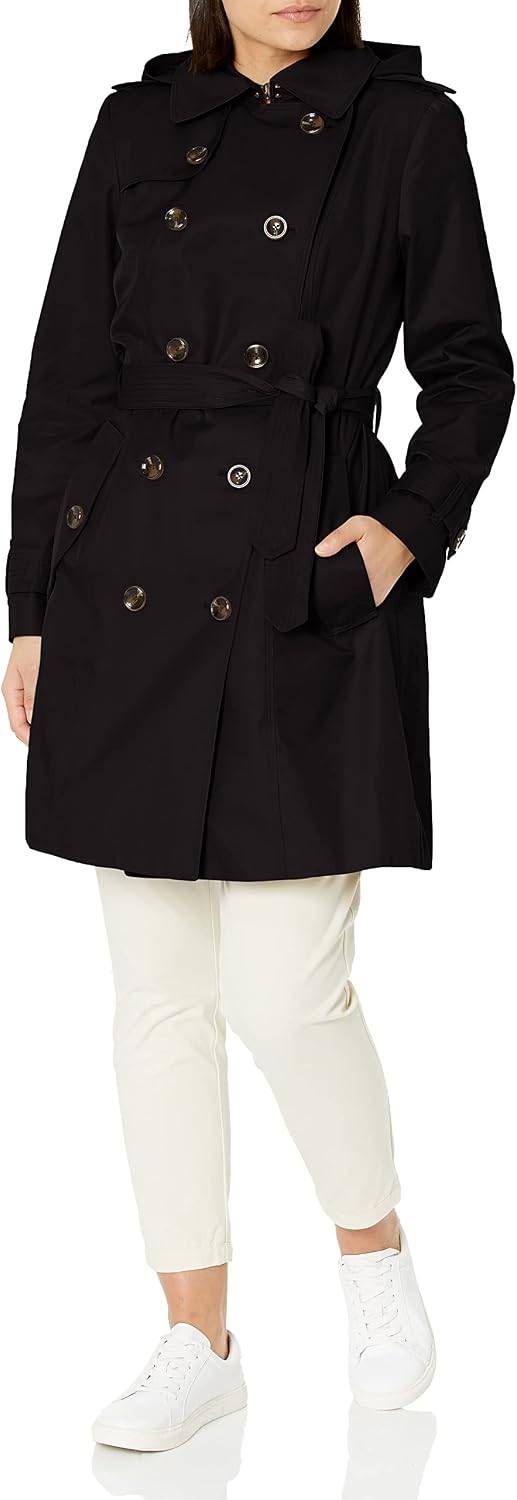
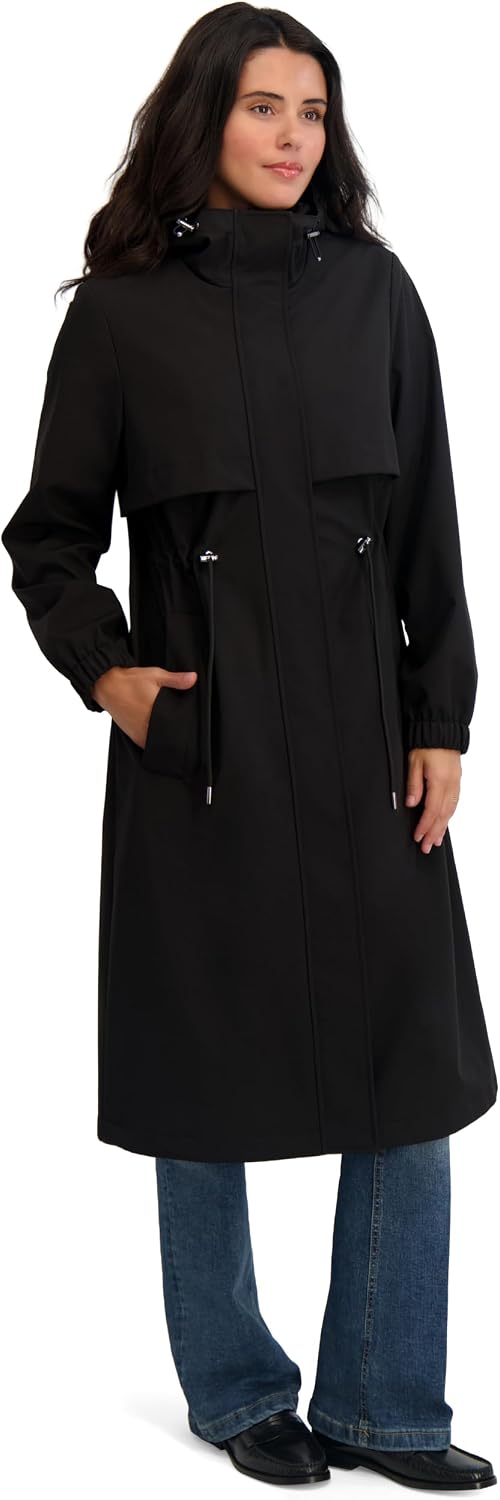
7. The Hooded Trench Coat
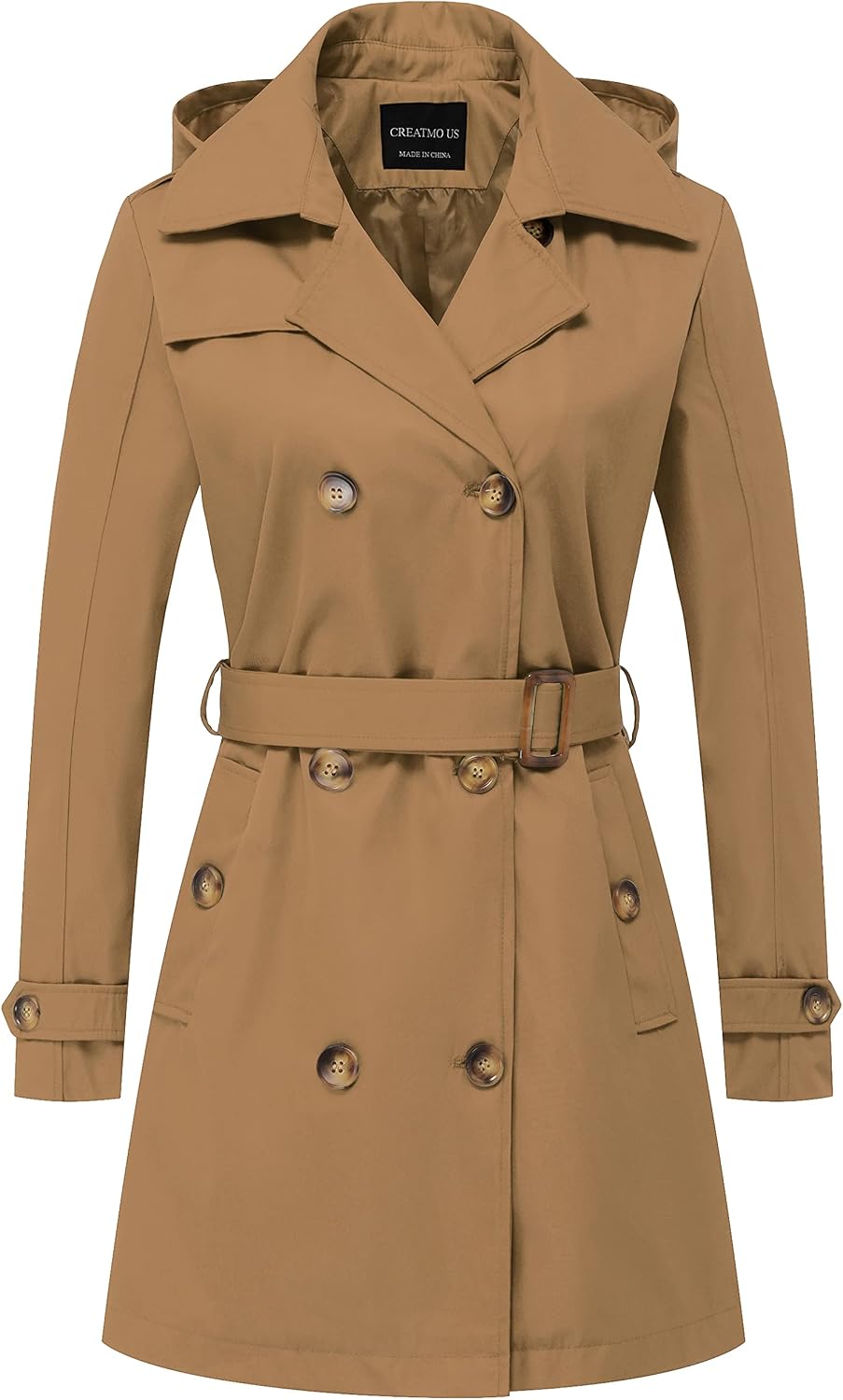
A hooded trench combines the traditional outerwear silhouette with added practicality. It can be useful for commuting, walking, and travelling in changeable weather. Some designs feature removable hoods, allowing you to switch between a casual and more classic appearance.
Look for a hood that sits comfortably and stays in place. Adjustable cuffs and secure pockets can also improve everyday usability. If you prefer a formal appearance, choose a streamlined design with a discreet hood. For outdoor activities, prioritize weather protection and freedom of movement.
Amazon styles to explore:
Cotton vs. Polyester Trench Coats: Which Is Better?
Fabric choice affects the drape, maintenance, comfort, and weather performance of a trench coat.
| Feature | Cotton and cotton blends | Polyester and synthetic blends |
|---|---|---|
| Appearance | Often structured and classic | Varies from crisp to fluid |
| Breathability | Depends on weave and lining | Depends on construction |
| Wrinkle resistance | Can crease more easily | Often resists wrinkles better |
| Rain protection | Depends on weave and finish | Depends on weave and finish |
| Care | May need careful washing or dry cleaning | Often easy to maintain, depending on label |
| Best suited to | Classic styling and everyday wear | Travel, easy-care needs, and varied designs |
Neither fabric is automatically superior. Construction, lining, finishing, and garment quality can matter as much as the fiber itself.
If you travel frequently, wrinkle resistance may be a priority. If you prefer a traditional, structured look, a well-made cotton-blend trench may suit you better.
How to Choose the Best Trench Coats for Women
Once you understand the main styles, narrow your options by considering how the coat will fit into your everyday life.
Choose a Color That Works With Your Wardrobe
Beige and khaki remain classic trench coat colors because they pair easily with many neutrals. Black creates a sharper, more understated look. Navy feels polished without being as stark as black, while olive adds a subtle alternative to traditional beige.
Think about the clothes you already own. If your wardrobe contains cream, denim, black, and brown, a beige trench will probably coordinate easily. If you wear darker colors most often, navy or black may be more practical.
You do not need several trench coats in different shades. One versatile color can provide plenty of outfit options.
Find the Right Length for Your Height
Your ideal trench length depends on your proportions and daily activities. A cropped style works well with high-waisted clothing. Knee-length coats offer a traditional silhouette, while longline designs create more coverage and visual length. Petite shoppers may prefer a coat with less excess fabric and sleeves that sit correctly. Taller shoppers may enjoy longer hems and more generous proportions.
Always consider the full outfit. The coat should work with your trousers, skirts, and usual footwear.
Check the Shoulder and Sleeve Fit
A trench should allow comfortable movement without looking unintentionally oversized. The shoulder seams should suit the design. Traditional tailored coats often have more defined shoulders, while relaxed styles may use dropped seams. Check the sleeves over the layers you normally wear. If the coat is too tight through the arms, it may become uncomfortable over a sweater or blazer.
Fasten the buttons and tie the belt before judging the final silhouette. The coat should close comfortably and allow you to move freely.
Decide Whether You Need a Lined Coat
Lining affects how a trench feels over clothing and how suitable it is for cooler weather. A lined coat may slide more easily over knitwear and provide an additional layer. An unlined design can feel lighter and work better in mild conditions.
However, lining alone does not determine warmth. Fabric thickness, construction, and layering also matter. For a coat you plan to wear through several seasons, consider whether the lining and overall weight match your local climate.
Check the Belt, Buttons, and Pockets
Small construction details influence everyday comfort. The belt should adjust easily without feeling awkward. Buttons should be secure, and pockets should sit where you can use them comfortably. If you carry a phone, keys, or travel essentials, check whether the pockets provide enough space. For wet weather, secure closures and a well-designed hood may be especially useful.
These details may seem minor, but they can determine how often you reach for the coat.
How to Style a Trench Coat for Different Occasions
A trench coat works across several dress codes. The easiest approach is to build outfits around pieces you already wear.
For Everyday Errands
Pair a beige trench with straight-leg jeans, a white T-shirt, and loafers or clean sneakers. This combination feels relaxed but still looks considered. Add a crossbody bag and simple jewellery for an easy finishing touch. When temperatures drop, layer a fine-knit sweater underneath. Choose a coat with enough room to keep the outfit comfortable.
For the Office
A trench coat can make workwear feel polished without adding unnecessary formality. Wear it over tailored trousers, a blouse, and loafers or ankle boots. Black, navy, charcoal, and beige create a cohesive color palette. For a more structured look, tie the belt neatly at the waist. If you prefer a relaxed style, leave the coat open over a coordinated outfit.
For Travel
A lightweight trench is useful when you want one outer layer for several outfits. Wear it over a knit top and comfortable trousers for the journey. It can also work with a simple dress when you arrive at your destination. Choose a fabric that suits your packing habits. If your coat will spend hours in a suitcase, wrinkle resistance may matter more than a perfectly crisp finish.
Remember that a lightweight trench is not a substitute for a warm winter coat in freezing weather.
For an Evening Out
A trench can add structure to a simple evening outfit. Layer a classic black or beige design over a midi dress, tailored jumpsuit, or dark trousers and a fitted top. Finish with ankle boots, elegant flats, or heels, depending on the occasion. Keep accessories coordinated rather than excessive. The trench already provides a strong outer layer.

Can You Wear a Trench Coat in Winter?
Yes, but the right trench depends on the temperature, fabric, and layers underneath. A traditional lightweight trench works best in mild or transitional weather. It may not provide enough insulation for freezing conditions, especially during long periods outdoors. For colder days, choose a lined or heavier design and layer it over a warm sweater. A scarf and gloves can add comfort when needed.
If your winters are consistently cold, a wool coat or insulated puffer may be a more practical main outer layer.
Our guide to the best wool coats for women explains what to look for in a more tailored, cold-weather option. You can also compare insulated styles in our guide to the best puffer jackets for women.
How Much Should You Spend on a Trench Coat?
Your budget should reflect the coat’s construction, intended use, and how frequently you expect to wear it. An affordable trench may be suitable for occasional use or mild weather. A more substantial investment can make sense if you want a particular fabric, refined tailoring, or stronger weather protection. However, a higher price does not automatically guarantee better quality.
Before buying, look for:
- A fabric that suits your climate.
- Secure buttons and reliable closures.
- Neat seams and a comfortable lining.
- A fit that accommodates your usual layers.
- A versatile color and silhouette.
- Care instructions that suit your routine.
Consider cost per wear when comparing options. For example, a coat costing $150 and worn 75 times costs $2 per wear. A $75 coat worn 15 times costs $5 per wear.
These figures are illustrative. The better purchase is the coat that fits your needs and earns regular use.
Common Trench Coat Buying Mistakes to Avoid
A few simple checks can help you avoid choosing a coat that looks good but disappoints in everyday use.
Buying based on appearance alone. A classic silhouette still needs comfortable construction and a suitable fit.
Assuming every trench is waterproof. Many designs handle light moisture but cannot replace a waterproof raincoat.
Choosing the wrong length. A long coat may feel awkward if it restricts your stride, while a cropped design provides less coverage.
Ignoring layering space. A fitted trench may not accommodate the sweaters or blazers you plan to wear underneath.
Choosing a color that rarely matches your clothes. A versatile neutral often gets more use than a statement shade.
Overlooking care requirements. Some fabrics crease easily or need specialist cleaning. Consider whether the maintenance suits your lifestyle.
Frequently Asked Questions
What are the best trench coats for women?
The best trench coats for women combine a comfortable fit, versatile styling, suitable fabric, and practical construction. A classic double-breasted trench is a strong everyday choice, while lightweight, oversized, and water-resistant styles suit different preferences and weather conditions.
Are trench coats still in style?
Yes. Trench coats remain a versatile outerwear option because their classic shapes work with casual, professional, and more formal outfits. Traditional beige designs feel timeless, while cropped and oversized versions offer more contemporary styling.
Which color trench coat is the most versatile?
Beige and khaki are classic choices that work with many colors. Black and navy provide a more understated alternative, while olive adds subtle variety. Choose a shade that complements the clothes and shoes you already wear.
Are trench coats waterproof?
Not all trench coats are waterproof. Some fabrics offer water resistance or a water-repellent finish, which can help with light rain. For regular heavy rain, look for a garment specifically designed for waterproof protection.
Can you wear a trench coat in summer?
Yes, a lightweight trench can work on cool summer evenings, in breezy conditions, or in air-conditioned environments. Choose breathable fabric and an unlined or lightly lined design. Avoid heavy fabrics when temperatures are high.
What should you wear under a trench coat?
You can wear a trench over T-shirts, blouses, fine-knit sweaters, dresses, or tailored outfits. In cooler weather, add a sweater or blazer if the coat has enough room. The best combination depends on the temperature and occasion.
Is a long or short trench coat better?
A long trench provides more coverage and creates an elongated silhouette. A short trench offers greater freedom around the hips and works well with high-waisted trousers. Choose based on your proportions, wardrobe, and daily activities.
How should a trench coat fit?
A trench should allow comfortable movement through the shoulders, arms, and chest. You should be able to close it over your usual layers without pulling. The belt should adjust comfortably, and the sleeves should provide suitable coverage.
How do you care for a trench coat?
Always follow the garment’s care label. Some trench coats can be machine-washed, while others require dry cleaning or specialist care. Hang the coat properly between wears and address stains promptly using the recommended method.
Final Thoughts: Finding Your Ideal Trench Coat
The best trench coats for women combine timeless style with the features you need for everyday life.
Start by considering your climate, preferred silhouette, and existing wardrobe. Then compare fabric, length, lining, fit, and weather protection before making your decision.
A classic double-breasted trench offers versatility, while a lightweight design suits travel and transitional weather. Oversized and cropped styles provide alternatives if you prefer a more contemporary look.
The most useful trench coat is not necessarily the most expensive. It is the one that fits comfortably, complements your clothes, and suits the conditions in which you will wear it.
For a broader comparison of winter outerwear, read our guide to wool coat vs. trench coat vs. puffer jacket: which is the best investment?. It will help you decide which coat deserves the most space in your wardrobe.
Choose a style that feels natural to wear, care for it properly, and enjoy a versatile layer you can return to season after season.
Affiliate Disclosure
This article contains Amazon links. As an Amazon Associate, Emerald Lifestyle may earn from qualifying purchases at no additional cost to you.


