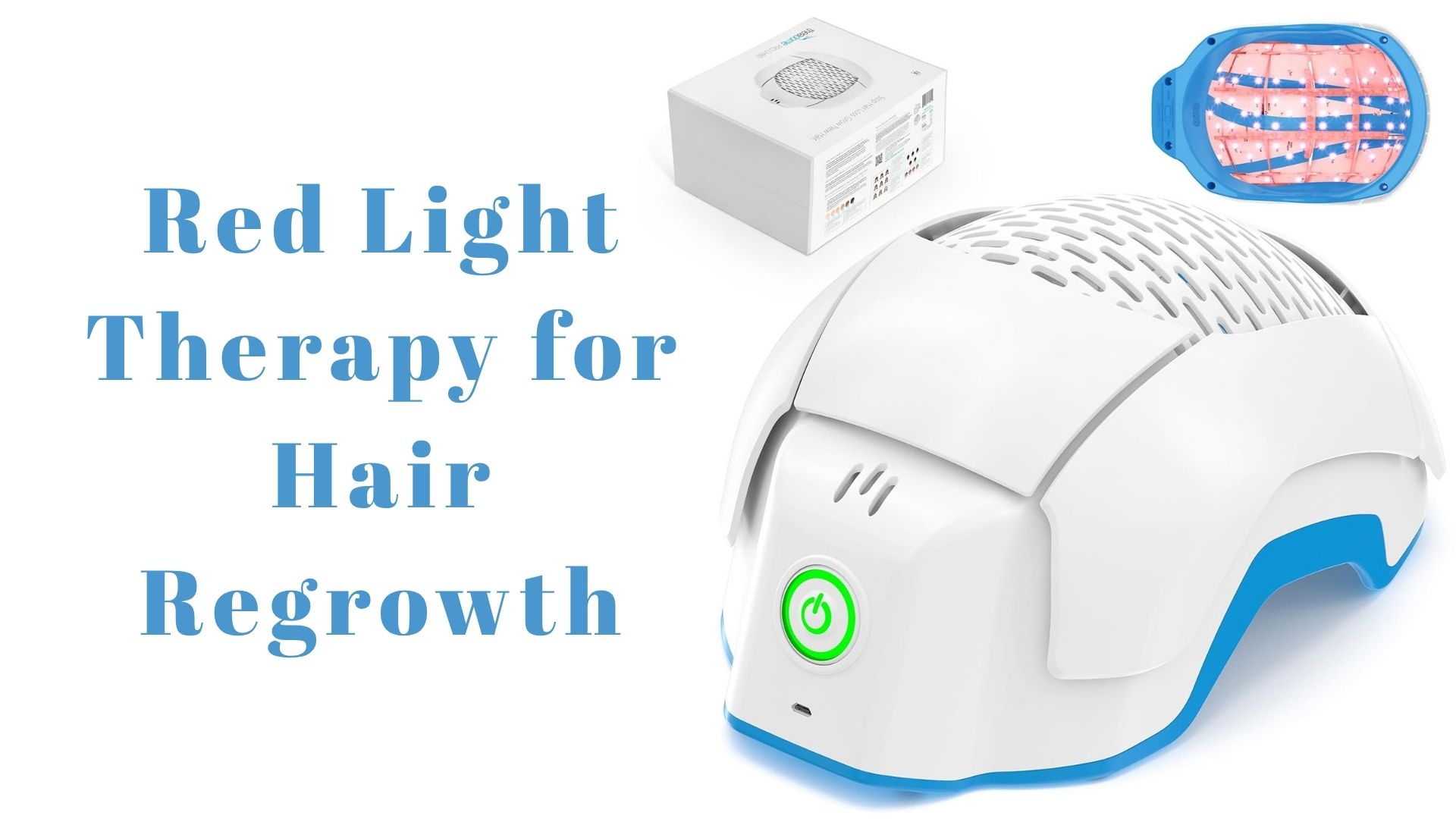
Theradome PRO LH80: Does Red Light Therapy for Hair Regrowth Hold Up to Scientific Scrutiny?
A rigorous, evidence-first review of the only 100% laser, FDA-cleared hair growth helmet engineered by a former NASA scientist — and what the clinical science actually says.

Hair loss treatments have a long, complicated history with consumer trust. Decades of ineffective topicals, dubious supplements, and snake-oil scalp serums have made even genuinely effective innovations difficult to believe in. So when a device arrives claiming that red light therapy for hair regrowth can meaningfully reverse androgenetic alopecia — the most common form of hair loss affecting both men and women — it deserves to be interrogated with rigor, not just enthusiasm.
The Theradome PRO Laser Hair Growth Helmet LH80 is one of the most credentialed devices in the at-home hair restoration category: FDA-cleared, engineered by a former NASA biomedical scientist, manufactured in Silicon Valley, and built on a technology platform — low-level laser therapy, or LLLT — that has accumulated over three decades of peer-reviewed clinical research. This article examines the science, the studies, and the real-world evidence to answer the question skeptical buyers actually want answered: does it work, and how do we know?
Does Red Light Therapy Actually Regrow Hair? The Honest Answer
Let's start with the fundamental question — and answer it without hedging. Yes, red light therapy for hair regrowth can regrow hair in individuals experiencing androgenetic alopecia. This is not a marketing claim. It is a finding supported by multiple randomized controlled trials, published in peer-reviewed dermatology journals, and serious enough to have earned FDA clearance for multiple LLLT devices — including the Theradome PRO LH80.
The mechanism is well-established in the literature. Low-level laser light at wavelengths in the 630–700nm range is absorbed by cytochrome c oxidase — an enzyme complex in the inner mitochondrial membrane of hair follicle cells. This absorption triggers upregulation of adenosine triphosphate (ATP) synthesis, accelerates cellular respiration, and initiates a cascade of biological responses: increased nitric oxide release, improved scalp microcirculation, reduced oxidative stress, and — most critically for hair restoration — stimulation of follicles in the dormant telogen phase back into the active anagen growth phase.
The important caveat: red light therapy for hair regrowth works most reliably on follicles that are miniaturized but still alive. It cannot resurrect follicles that have been fully replaced by scar tissue — which is why earlier intervention consistently produces better results than waiting until hair loss is advanced.
Red light photons penetrate the scalp dermis at depths sufficient to reach the hair bulb — the biological engine of hair production located at the base of each follicle. The photons are absorbed by mitochondrial chromophores, triggering increased electron transport chain activity and elevated ATP output. This cellular energy surge reverses the follicular miniaturization process characteristic of androgenetic alopecia, extending the anagen phase and increasing hair shaft diameter.
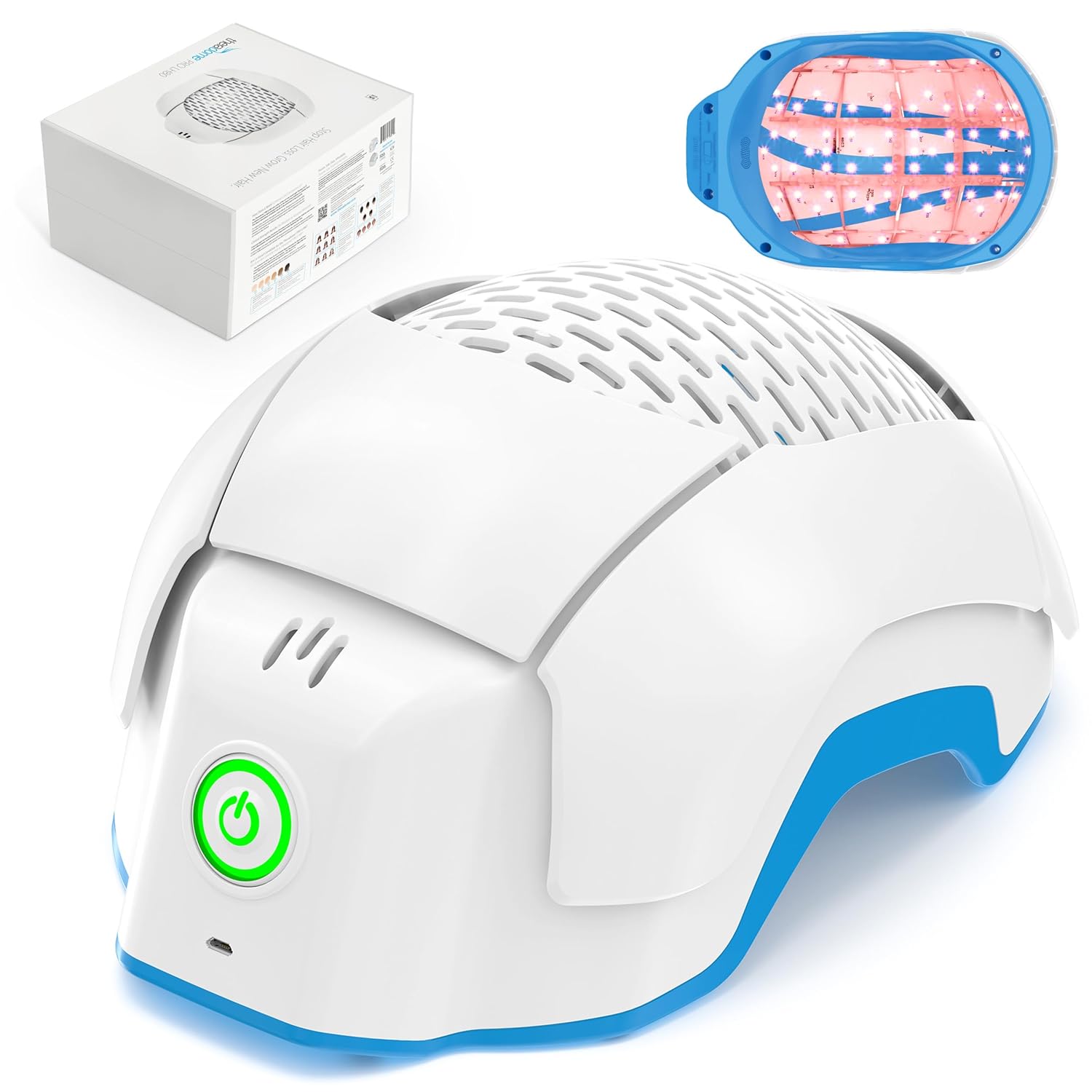
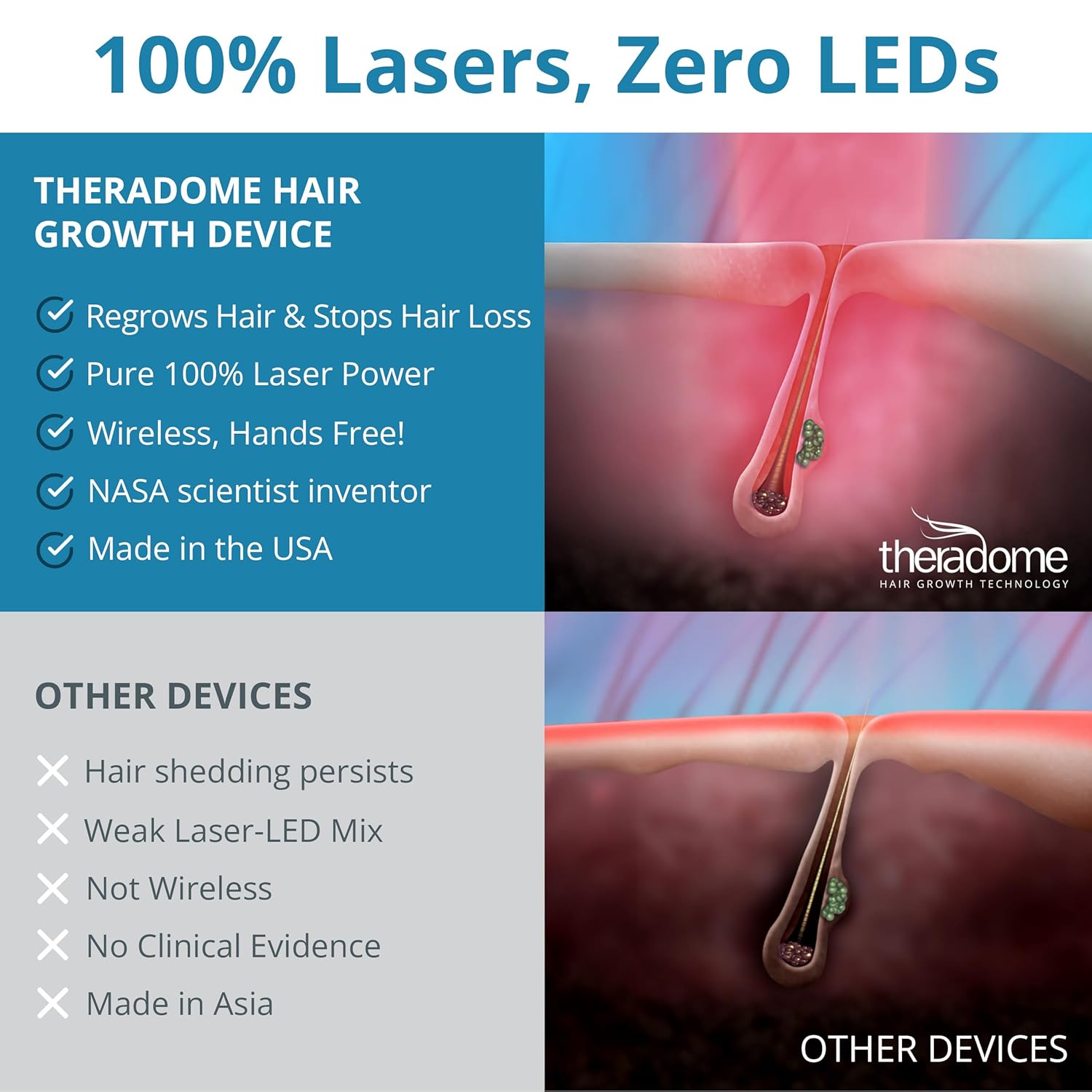
The Theradome PRO LH80 delivers this energy through 40–80 premium medical-grade laser diodes — not LEDs. This distinction is critical: coherent laser light maintains energy intensity across the distance it must travel to reach the follicle. LED light, being non-coherent, scatters and disperses before it can penetrate to the required depth with meaningful energy density.
Clinical Studies on Red Light Therapy for Hair Loss: What the Research Shows
The peer-reviewed evidence base for LLLT as a treatment for androgenetic alopecia has grown significantly since the first clinical investigations in the early 2000s. For skeptical buyers, this research record is the most important piece of the puzzle — and it is more robust than most people realize.
One of the most cited LLLT studies in hair restoration, published in the American Journal of Clinical Dermatology, enrolled 128 participants with androgenetic alopecia in a double-blind, sham-device-controlled trial. Participants using the active LLLT device showed a statistically significant increase in terminal hair density compared to the sham group, with the treatment group experiencing a mean increase of 37% in hair count. The study concluded that LLLT was an effective and safe modality for hair regrowth in both men and women with pattern hair loss.
This landmark meta-analysis systematically reviewed all available randomized controlled trials on LLLT for alopecia and concluded that the evidence supported LLLT as a viable treatment modality for androgenetic hair loss in both sexes. The reviewers noted that the 630–670nm wavelength range produced the most consistent results — precisely the wavelength range targeted by the Theradome PRO LH80's laser diodes.
The pivotal study that contributed to the original FDA clearance pathway for LLLT hair devices enrolled men with pattern baldness across multiple clinical sites. After 26 weeks of LLLT treatment, the active device group showed a statistically significant increase in hair count per square centimeter compared to sham controls. This study established the clinical evidence framework that FDA-cleared devices — including the Theradome — have built upon.
What unites these studies is consistency: across multiple independent research groups, using different device configurations, on diverse patient populations, LLLT reliably produces measurable increases in hair count and density in individuals with androgenetic alopecia. This is not the profile of an ineffective treatment.

Why 100% Laser — Zero LEDs — Is a Meaningful Distinction
The Theradome PRO LH80 makes a claim that its competitors cannot: it uses 100% medical-grade laser diodes, with no LEDs in its array whatsoever. To understand why this matters, you need to understand the physics of light delivery to biological tissue.
- Coherent, single-wavelength light output
- Collimated beam — maintains energy over distance
- Deep dermal penetration to the hair bulb
- Consistent energy density across treatment area
- Used in peer-reviewed clinical studies
- Higher manufacturing cost — higher clinical precision
- Incoherent, broad-spectrum light output
- Divergent beam — energy scatters with distance
- Limited dermal penetration depth
- Variable energy density at follicle level
- Cheaper to manufacture at scale
- Often used to inflate device light-source counts
Many competing devices advertise hundreds or even thousands of "lasers and LEDs" — a framing that obscures the fact that the majority of those light sources are LEDs, not lasers. Theradome's decision to use 40–80 premium laser diodes rather than padding its count with cheaper LEDs reflects an engineering philosophy that prioritizes clinical efficacy over marketing optics.

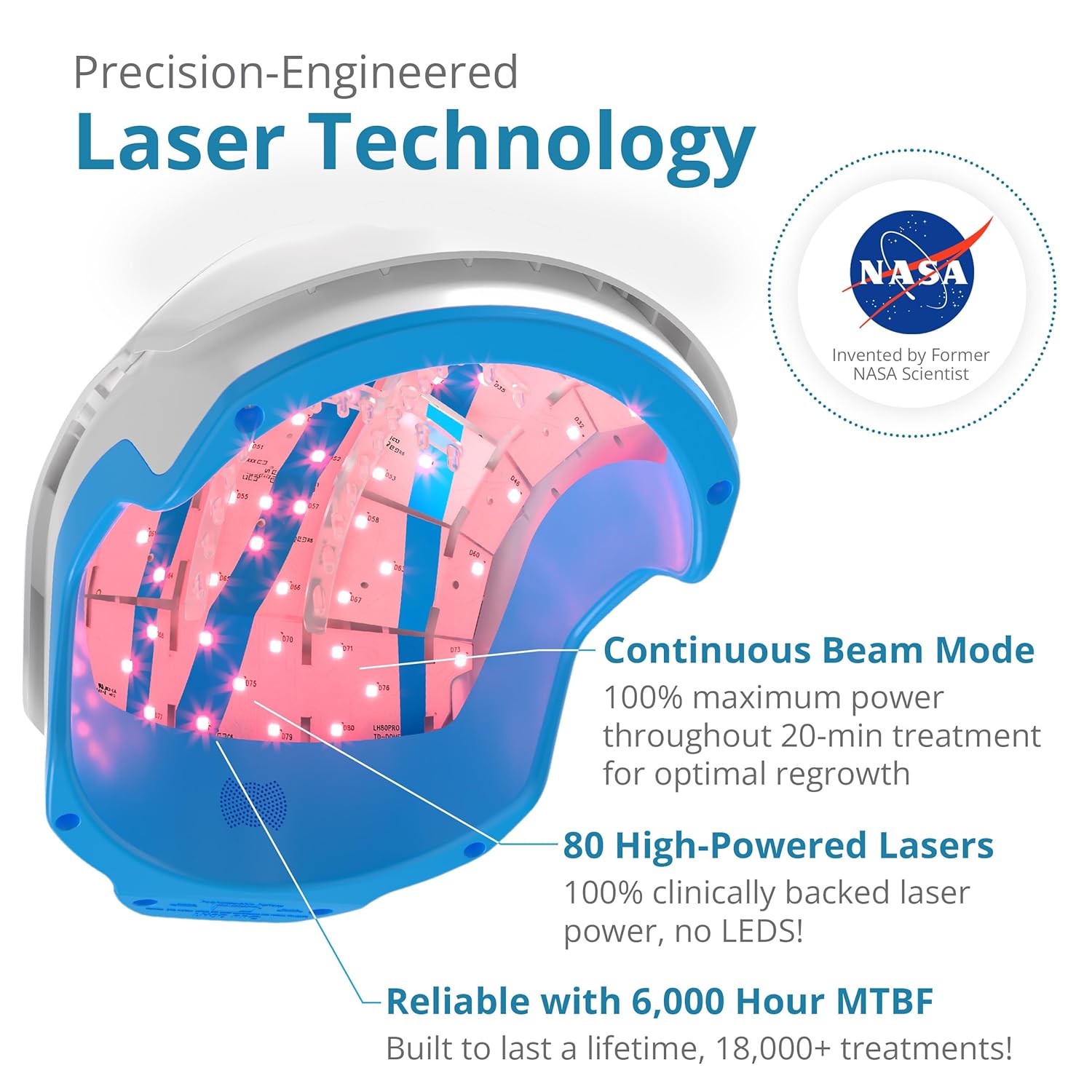
The Theradome PRO LH80 was designed by a biomedical engineer with a background in NASA's human performance research program. Manufactured in Silicon Valley, California, under quality standards consistent with medical-device manufacturing expectations — not consumer electronics production norms.
The Theradome PRO LH80 protocol requires just two 20-minute sessions per week — one of the lowest time commitments of any clinically validated LLLT device on the market, with a full-scalp treatment area from hairline to crown.
What Percentage of People See Results from Red Light Hair Therapy?
This is the question that every skeptic — rightly — asks before investing in any hair restoration device. And it deserves a precise answer rather than vague reassurances about "many users" reporting improvement.
Across the major randomized controlled trials examining LLLT for androgenetic alopecia, response rates in active treatment groups have consistently ranged from 70% to 85% of participants showing measurable improvement in hair count or density compared to sham controls. The most frequently cited figure from well-designed clinical trials places the meaningful positive response rate — defined as a statistically significant increase in terminal hair density — at approximately 75–80% of study participants.
What the research also clarifies is who responds best to red light therapy for hair regrowth: individuals in the earlier stages of hair loss, with a shorter duration of thinning, tend to show stronger responses. Men and women with Norwood Scale I–IV hair loss patterns and Ludwig Scale I–II thinning are the ideal candidate population — and the population for whom the Theradome PRO LH80 is most explicitly designed.
Individuals with advanced hair loss — extensive bald patches where follicles have been inactive for many years — see lower response rates, and this is consistently acknowledged in responsible clinical literature. Theradome is transparent about this: red light therapy for hair regrowth is a treatment for thinning and loss, not a replacement for hair that has been permanently lost.
Dermatologist Opinions on Red Light Therapy for Hair
Board-certified dermatologists and trichologists have increasingly incorporated LLLT into their clinical recommendations — not as a first-line standalone treatment for severe alopecia, but as a meaningful component of a comprehensive hair restoration protocol, particularly for patients who cannot or prefer not to use pharmacological treatments like minoxidil or finasteride.
Low-level laser therapy has accumulated a sufficient evidence base that I now routinely discuss it with patients experiencing androgenetic alopecia who are either unwilling to use minoxidil or seeking to augment their existing regimen. The key is patient selection and setting appropriate expectations — LLLT is not a cure for hair loss, but it is a legitimately effective tool for slowing progression and stimulating regrowth in the right candidates.
The American Academy of Dermatology has acknowledged LLLT as a treatment option for androgenetic alopecia, and multiple hair loss organizations — including the International Society of Hair Restoration Surgery — include LLLT in their clinical guidance. The professional medical community's position on red light therapy for hair regrowth has shifted from skepticism to cautious endorsement over the past decade, tracking the accumulation of clinical evidence.
Where dermatologists typically counsel caution is around the difference between FDA-cleared devices — like the Theradome PRO LH80 — and the proliferation of cheap, non-cleared LLLT products that have entered the market on the coattails of LLLT's growing credibility. FDA clearance for a hair growth device requires the manufacturer to demonstrate both safety and efficacy through clinical data submitted to the agency — a standard that eliminates a substantial portion of the market's offerings.
Red Light Therapy Hair Growth Before and After: What to Realistically Expect
Before-and-after photographs are among the most powerful — and most easily manipulated — forms of evidence in any cosmetic treatment category. For red light therapy hair regrowth, understanding what a realistic before-and-after outcome looks like is essential for setting expectations that the treatment can actually meet.
In clinical settings, the visual changes associated with successful LLLT treatment follow a predictable timeline. The first sign — often appearing within 8–12 weeks of consistent use — is a reduction in hair shedding. Many users notice this as fewer hairs on their pillow, in the shower drain, or on their brush. This is not regrowth yet; it is a reduction in the telogen effluvium component of their hair loss, indicating that the anagen phase is being extended.
Visible new growth — fine, lighter terminal hairs filling in areas of thinning — typically becomes apparent between months 3 and 6 for consistent users. The most dramatic before-and-after results documented in clinical photographs show meaningful improvements in hairline density, temple coverage, and crown thickness at the 6-month mark. Final results, representing the full effect of treatment, are generally assessed at 12 months.
Theradome PRO LH80 — Device at a Glance
Honest Strengths & Considerations
- 100% medical-grade laser diodes — no LEDs diluting the array
- FDA-cleared with genuine clinical backing
- NASA-designed engineering, manufactured in Silicon Valley
- Hands-free full-scalp coverage: hairline, temples, crown
- Only 2 sessions per week — low time burden
- Coherent laser light delivers consistent deep-follicle penetration
- Pairs seamlessly with minoxidil, shampoos, and serums
- Cool-temperature treatment — no heat discomfort
- Premium investment — positioned above entry-level LLLT devices
- Results require 3–6 months of consistent use
- Most effective for early-to-mid-stage androgenetic alopecia
- Fewer total light-source units than LED-hybrid competitors (by design)
Frequently Asked Questions
Yes, and the distinction matters. FDA clearance — the status held by the Theradome PRO LH80 — requires the manufacturer to demonstrate that the device is substantially equivalent to an already legally marketed device, with safety and efficacy data submitted for FDA review. For LLLT hair growth devices, FDA clearance is the gold standard and signals that the device has met the agency's threshold for both safety and effectiveness claims. Devices without FDA clearance cannot legally be marketed for hair regrowth in the US.
Yes. The Theradome PRO LH80 is FDA-cleared for both men and women experiencing androgenetic alopecia. Female-pattern hair loss — which typically presents as diffuse thinning across the top of the scalp rather than a receding hairline — responds to LLLT through the same photobiomodulation mechanism as male-pattern loss. Women experiencing sudden or severe hair loss should consult a dermatologist before beginning any treatment to rule out other underlying causes.
Minoxidil (Rogaine) and LLLT work through different mechanisms and are most powerful when used together. Minoxidil is a vasodilator that increases scalp blood flow and prolongs the anagen phase; LLLT works at the cellular energy level to stimulate follicular activity. For individuals who experience side effects from minoxidil or who prefer a non-pharmacological approach, LLLT with the Theradome offers a clinically validated alternative.
Androgenetic alopecia is a genetically driven, progressive condition. If treatment is discontinued after achieving meaningful regrowth, the hair loss process typically resumes over several months. Most hair restoration clinicians recommend treating LLLT as a long-term maintenance protocol rather than a finite course of treatment, similar to how minoxidil must be continued indefinitely for sustained effect.
The primary validated indication is androgenetic alopecia. Alopecia areata is an autoimmune condition with a different underlying mechanism, and the evidence base for LLLT in this condition is far less established. Individuals with non-androgenetic hair loss should consult a board-certified dermatologist for a targeted treatment plan.
The Theradome PRO LH80 Earns Its Credibility
For skeptical buyers demanding scientific validation before they invest, the Theradome PRO LH80's red light therapy for hair regrowth stands on a foundation that few competitors can match: FDA clearance, peer-reviewed LLLT clinical research, NASA-caliber engineering, 100% medical-grade laser diodes (no LEDs), and a manufacturing standard rooted in Silicon Valley precision. It is not a miracle device, and it will not reverse decades of hair loss overnight. But for individuals in the early-to-mid stages of androgenetic alopecia who commit to consistent, twice-weekly sessions, the clinical evidence supports the conclusion that this is one of the most scientifically credible at-home hair restoration investments available in 2025.
🛒 Buy the Theradome PRO LH80 on Amazon →