If you’ve stood in the tea aisle staring at a dozen tins of bright green powder, wondering which one is actually worth your money, you’re not alone. Matcha powder has exploded in popularity over the last few years, and with that popularity has come a flood of low-quality, dull-colored, bitter-tasting options that give the whole category a bad name.
The truth is, not all matcha is created equal. The difference between a gritty, grassy cup and a smooth, naturally sweet one usually comes down to three things: where the tea was grown, how it was ground, and how fresh it is when it reaches your kitchen.
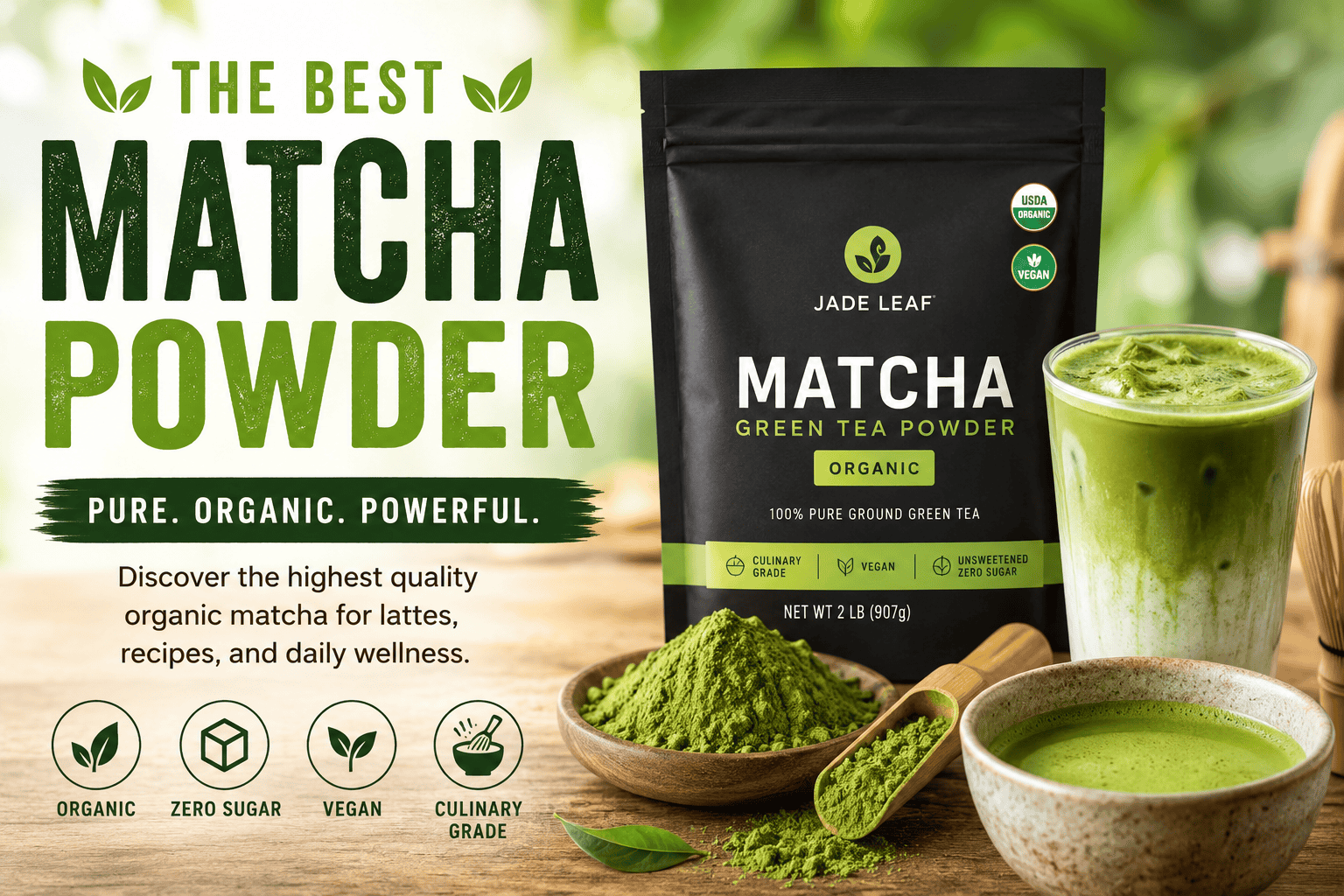
In this guide, we’re taking a close look at an organic matcha green tea powder that checks all three boxes — stone-ground, early harvest, and certified organic — and breaking down exactly who it’s for, how it performs, and whether it deserves a spot in your pantry. Whether you’re switching from coffee, building out your morning wellness routine, or just want a reliable bulk matcha powder that won’t run out in three weeks, this review will walk you through everything you need to know before you buy.

What Is Matcha Powder?
Quick answer: Matcha powder is finely ground, shade-grown Japanese green tea leaves. Unlike regular green tea, where you steep and discard the leaves, matcha powder is whisked directly into water, so you consume the entire leaf.
That one difference — eating the whole leaf instead of steeping it — is why matcha delivers noticeably more nutrients per serving than a standard cup of green tea.
Japanese Origins
Matcha has roots in Japanese tea ceremonies dating back centuries, where powdered green tea was whisked in small bowls as a meditative practice. Today, most high-quality matcha still comes from Japan, particularly regions like Uji, Nishio, and Kagoshima, where growing conditions have been refined for generations.
Shade-Grown Tea Leaves
About three to four weeks before harvest, tea plants destined for matcha are covered to block sunlight. This shading process forces the plant to produce more chlorophyll and L-theanine, which gives matcha its vivid green color and its signature smooth, less bitter flavor compared to sun-grown green tea.
Stone Ground Processing
After harvest, the leaves are steamed, dried, and stemmed to create what’s called tencha. That tencha is then ground — traditionally using granite stone mills — into the ultra-fine powder we know as matcha. Stone grinding keeps the process slow and low-heat, which protects the delicate flavor and nutrient content. Cheaper matcha is often ground with high-speed machinery, which generates heat and can degrade both taste and quality.
Nutritional Profile
A typical serving of matcha powder (about one teaspoon) contains:
- Natural caffeine (roughly 35–70mg, depending on grade)
- L-theanine, an amino acid linked to calm alertness
- Catechins, including EGCG, a well-studied antioxidant compound
- Small amounts of fiber, vitamin C, and potassium
Why Matcha Differs From Green Tea
Regular green tea is steeped and strained, so you’re only getting what dissolves into the water during a few minutes of brewing. With matcha powder, you’re consuming the ground leaf itself, whisked directly into your drink. This is the core reason matcha tea is often described as more concentrated and longer-lasting in its effects than a standard cup of green tea.
Why Organic Matcha Matters
Not all matcha is grown the same way, and this is one area where cutting corners really shows up in your cup.
Organic Farming Practices
Organic matcha comes from tea plants grown without synthetic pesticides, herbicides, or chemical fertilizers. Because matcha involves consuming the entire leaf rather than just steeped water, anything sprayed on the plant ends up in your final product in higher concentrations than it would with loose-leaf tea. That makes the organic distinction more meaningful here than with most other foods.
No Pesticide Residue
Choosing organic matcha green tea powder reduces your exposure to pesticide residue, which matters even more given how concentrated matcha is compared to brewed tea.
Better Flavor
Organic growing methods tend to produce a cleaner, more natural sweetness in the final tea, without the slightly chemical or overly bitter aftertaste some conventionally grown matcha can have.
Cleaner Ingredient List
A genuinely organic matcha should have exactly one ingredient: matcha. If you’re comparing products and see fillers, added sugars, or anti-caking agents, that’s a sign you’re not looking at true culinary-grade matcha.
Organic Matcha Green Tea Powder Review

We went through this organic matcha green tea powder in detail, evaluating it the way we’d want a friend to evaluate it for us before spending money on a 2-pound bag.
Packaging
The matcha arrives in a resealable pouch built to hold its 2-pound bulk size. A sturdy, well-sealed bag matters more than people expect with matcha, since exposure to air, light, and moisture is the fastest way to dull its flavor and color. The resealable design makes it realistic to keep this bag fresh over weeks of daily use.
Texture
This is genuinely fine, stone-ground powder. When you rub a pinch between your fingers, there’s no grittiness — it feels almost silky, similar to cornstarch. That fine texture is a good early sign of quality, since coarser or lower-grade matcha tends to clump and resist dissolving.
Color
The powder has a rich, vibrant green color, leaning toward a deeper jade rather than a dull olive or yellowish-green. Color is one of the most reliable visual indicators of matcha quality — the shading process and early harvest timing both contribute to that vivid green, while lower-grade or older matcha tends to look brownish or faded.
Taste
The flavor is smooth with a mild natural sweetness up front, followed by the expected earthy, vegetal matcha notes. It’s noticeably less bitter than what you’d get from a lower-grade or later-harvest matcha. That said, it’s still culinary grade, not ceremonial grade, so it has slightly more depth and less delicacy than what you’d find in a traditional tea ceremony bowl — which is exactly what you want for lattes, smoothies, and baking.
Aroma
There’s a fresh, grassy aroma when you open the bag, without any stale or fishy notes that sometimes show up in older or improperly stored matcha. A clean smell is a quick freshness check you can do yourself the moment your order arrives.
Mixability
This is where stone-ground matcha really earns its price. The powder disperses easily in both hot and cold liquid with a quick whisk, without leaving behind the clumps or floating bits you get with coarser matcha. You don’t need a bamboo whisk to get a smooth drink, though one does help create that classic frothy top.
Freshness
Because this is an early harvest matcha, it comes from the first flush of the season, which is when tea plants produce their most tender, nutrient-dense leaves. Early harvest matcha is generally considered superior to later harvests, which tend to be more bitter and less vibrant.
Sweetness
There’s no added sugar here — the mild sweetness comes entirely from the tea itself, which is a good sign for anyone watching added sugar intake or looking for a genuinely unsweetened matcha.
Value
At 2 pounds, this is a bulk matcha powder built for people who actually drink matcha daily, not occasionally. Compared to buying small 30-gram tins repeatedly, the cost per serving works out significantly lower here.
Serving Size
A standard serving is about 1 to 2 grams (roughly half a teaspoon to a full teaspoon), which means a 2-pound bag lasts a long time even with daily use — often several months for a single daily latte drinker.
Who It’s Best For
This matcha is best suited for people who drink matcha regularly, cook or bake with it, or run a household where more than one person is using it. It’s less suited for someone who wants to try matcha once and see if they like it, since the bulk size is a bigger upfront commitment.
Daily Usage
Because it’s culinary grade rather than ceremonial grade, this matcha holds up well in lattes, smoothies, baked goods, and other recipes where it’s mixed with milk, sweeteners, or other ingredients — which is how most people actually drink matcha day to day.
Key Features

Organic: Grown without synthetic pesticides or chemical fertilizers, which matters more with matcha than most teas since you’re consuming the whole leaf.
Culinary Grade: Built for mixing into lattes, smoothies, and recipes, with a flavor profile that holds up well against milk, sweeteners, and other ingredients.
Early Harvest: Sourced from the season’s first flush, when leaves are most tender and nutrient-dense, resulting in a smoother, less bitter cup.
Stone Ground: Ground slowly using traditional methods that avoid the heat damage common with high-speed mechanical grinding, preserving both color and flavor.
Unsweetened: No added sugar, so you control exactly how sweet your drink or recipe turns out.
Zero Sugar: A clean ingredient list makes this a straightforward choice if you’re tracking added sugar intake.
Vegan: Entirely plant-based with no animal-derived ingredients or processing aids.
Fine Powder: A silky, ultra-fine texture that dissolves easily and avoids the grittiness of lower-grade matcha.
2 Pound Bulk Package: A large value size that suits regular drinkers, families, cafes, or anyone who bakes or cooks with matcha frequently.
Rich Green Color: A vivid jade-green shade that reflects proper shading and early harvest timing.
Great for Matcha Latte: Blends smoothly into steamed milk or milk alternatives for a café-style matcha latte powder at home.
Smooth Flavor: A rounded, mildly sweet taste with less bitterness than lower-grade matcha.
All Purpose: Works equally well in drinks, baking, smoothies, and other recipes.
High Antioxidant Content: Naturally rich in catechins, including EGCG, thanks to the shade-growing process.
Large Value Size: Lower cost per serving than smaller tins, ideal for daily use over the long term.
Pros and Cons
| Pros | Cons |
|---|---|
| Certified organic with no synthetic pesticides | Culinary grade, not ideal for traditional ceremonial preparation |
| Stone-ground for a smooth, fine texture | Large bag size may be more than an occasional user needs |
| Vibrant green color and fresh, grassy aroma | Matcha flavor intensity can take time to get used to for coffee drinkers |
| Early harvest for a smoother, less bitter taste | Needs airtight, cool storage to maintain freshness over months |
| No added sugar or fillers | Not as delicate in flavor as premium ceremonial-grade matcha |
| Excellent value for the bulk size | — |
| Versatile for lattes, baking, and smoothies | — |
| Mixes easily without clumping | — |
Health Benefits of Matcha Powder

Matcha green tea powder has earned its reputation as a daily wellness drink largely because of what’s naturally present in the leaf itself.
Antioxidants and EGCG
Matcha is one of the richest natural sources of catechins, a type of antioxidant, with EGCG (epigallocatechin gallate) being the most studied. Antioxidants help the body manage oxidative stress, which is a normal part of everyday cellular activity.
L-Theanine and Calm Energy
L-theanine is an amino acid found naturally in tea leaves, and matcha contains notably more of it than steeped green tea. Many people describe the combination of L-theanine and natural caffeine as producing a steadier, “calm energy” feeling rather than the jittery spike sometimes associated with coffee.
Natural Caffeine and Mental Focus
Matcha contains natural caffeine, generally in the range of 35–70mg per serving. Combined with L-theanine, this pairing is commonly associated with sustained mental focus rather than a quick spike followed by a crash.
Metabolism Support
Green tea catechins, including those found in matcha, have been studied for their potential role in supporting metabolism. This doesn’t mean matcha alone drives weight loss, but it can be a reasonable part of a broader healthy lifestyle approach.
Workout Recovery
Some people incorporate matcha into their pre- or post-workout routine, drawn to its antioxidant content and steady energy release compared to sugary sports drinks or high-caffeine energy drinks.
Immune Support and General Wellness
Matcha’s nutrient profile, including small amounts of vitamin C and its antioxidant content, makes it a reasonable addition to a general wellness routine. If you’re already building out a daily routine around gut and metabolic health, it can be worth looking at how something like a colon health supplement fits alongside a daily antioxidant drink like matcha as part of a broader wellness approach.
Important disclaimer: Matcha is not intended to diagnose, treat, cure, or prevent any disease. The information above reflects generally understood nutritional properties of matcha and should not be taken as medical advice. Talk to a healthcare provider before making significant changes to your diet, especially if you’re pregnant, nursing, sensitive to caffeine, or managing a medical condition.
Matcha Powder vs Coffee
One of the most common questions we hear is how matcha tea actually compares to coffee day-to-day. Here’s an honest side-by-side.
| Category | Matcha Powder | Coffee |
|---|---|---|
| Energy | Steady, gradual release | Fast onset, quicker peak |
| Crash | Minimal, thanks to L-theanine | More common, especially with high doses |
| Antioxidants | High in catechins, including EGCG | Contains antioxidants, different compound profile |
| Taste | Earthy, grassy, mildly sweet | Bitter, roasted, varies by bean |
| Caffeine | ~35–70mg per serving | ~95mg per 8oz cup, often more |
| Focus | Calm, sustained alertness | Sharp but shorter-lived |
| Calories | Near zero (unsweetened, no milk) | Near zero black, varies with additions |
Neither one is objectively “better” — it comes down to how your body responds to caffeine and what kind of energy curve you prefer throughout the day. A lot of former coffee drinkers switch to matcha specifically because they want to avoid the mid-afternoon crash.
✔ See Current Discounts on This Matcha
Culinary Uses for Matcha Powder

This is where culinary-grade matcha really shines, since it’s specifically formulated to hold up in recipes rather than being sipped on its own.
- Matcha Latte: Whisk 1 teaspoon of matcha with a splash of hot water into a smooth paste, then add steamed milk or a milk alternative.
- Smoothies: Blend a teaspoon into your favorite smoothie for color and a mild energy boost without adding coffee flavor.
- Protein Shakes: Combine with vanilla protein powder for a naturally sweet, earthy flavor pairing.
- Ice Cream: Fold matcha into a custard base before churning for a classic matcha ice cream.
- Cookies: Add to shortbread or sugar cookie dough for color and flavor contrast.
- Pancakes: Mix into pancake batter for a fun green color and subtle earthy note kids and adults both tend to enjoy.
- Baking: Works well in cakes, muffins, and scones, especially paired with white chocolate or citrus.
- Overnight Oats: Stir into oats with milk and a sweetener the night before for an easy grab-and-go breakfast.
- Yogurt Bowls: Sprinkle over yogurt with fruit and granola for a simple antioxidant boost.
- Energy Balls: Blend into no-bake energy ball recipes with dates, nuts, and coconut for a natural caffeine kick.
Why This Is One of the Best Matcha Powders on Amazon

When people search for the best matcha tea powder, they’re usually weighing a handful of factors — and this product performs well across most of them.
Value: At 2 pounds, the cost per serving beats most small-batch tins by a wide margin, without sacrificing quality.
Bulk Size: For daily drinkers, running out every few weeks and reordering constantly gets old fast. This size solves that problem.
Freshness: Early harvest sourcing means you’re getting matcha from the most desirable part of the growing season.
Flavor: Smooth, mildly sweet, and far less bitter than a lot of budget matcha on the market.
Organic Certification: Meaningful given how concentrated matcha is compared to other teas.
Stone Ground Quality: A fine, silky texture that mixes easily and reflects a more traditional, lower-heat production process.
Versatility: Equally suited to lattes, smoothies, and baking, which makes it a genuinely all-purpose pantry staple rather than a one-use novelty item.
Buying Guide: How to Choose the Best Matcha Powder
Whether or not you go with this particular product, it helps to know what actually separates good matcha from bad matcha.
| Factor | What to Look For |
|---|---|
| Origin | Japan (Uji, Nishio, Kagoshima) generally indicates higher quality standards |
| Color | Vivid, deep green — avoid dull or yellowish-green powder |
| Harvest | Early or first harvest tends to be smoother and less bitter |
| Grinding Method | Stone ground preserves flavor better than mechanical grinding |
| Grade | Ceremonial for drinking plain, culinary for lattes, smoothies, and recipes |
| Certification | Look for organic certification if avoiding pesticide residue matters to you |
| Packaging | Resealable, opaque packaging protects against light and air exposure |
| Price | Very cheap matcha is often a red flag for lower quality or older leaves |
| Freshness | Check for a “best by” date and a fresh, grassy smell when opened |
| Serving Size | Confirm how many servings you’re actually getting per dollar |
Ceremonial vs Culinary Grade
Ceremonial grade matcha is made from the youngest, most tender leaves and is meant to be whisked with just hot water and consumed on its own. Culinary grade matcha, like the product reviewed here, is made to stand up to milk, sweeteners, and other ingredients, making it the better practical choice for lattes, smoothies, and baking.
Who Should Buy This Product
This organic matcha green tea powder is a strong fit if you:
- Drink matcha daily or plan to start a regular habit
- Want an organic matcha with no pesticide residue concerns
- Make matcha lattes, smoothies, or baked goods regularly
- Are looking for a bulk matcha powder to avoid frequent reordering
- Want a reliable, versatile all-purpose matcha for a household
If you’re also working on your broader routine, some readers pair a daily matcha habit with other wellness-focused choices, like reviewing a guide such as this one on natural appetite control and sustainable weight loss to round out a broader daily routine.
Who Might Prefer Another Option
To keep this review balanced, this product isn’t necessarily the right fit for everyone:
- If you specifically want ceremonial grade matcha to whisk and drink plain, you may prefer a dedicated ceremonial-grade tin instead.
- If you only want to try matcha once before committing, a smaller starter size might make more sense than a 2-pound bag.
- If you’re extremely caffeine-sensitive, even matcha’s gentler caffeine profile is still a stimulant, and you may want to start with a smaller serving or speak with a doctor first.
Frequently Asked Questions
What is matcha powder?
Matcha powder is finely ground, shade-grown green tea leaves from Japan. Unlike brewed green tea, you consume the entire leaf when you drink matcha, which is why it’s more concentrated in nutrients and caffeine.
Is organic matcha better?
Organic matcha is generally considered a better choice because matcha involves consuming the whole leaf rather than steeped water, which means any pesticide residue is more concentrated. Organic farming also tends to produce a cleaner, more natural flavor.
Can you drink matcha every day?
Most healthy adults can drink matcha daily in moderation, similar to how they might drink coffee or tea. As with any caffeinated beverage, it’s worth paying attention to your total daily caffeine intake and how your body responds.
What is culinary grade matcha?
Culinary grade matcha is a slightly more robust grade of matcha designed to hold up well when mixed with milk, sweeteners, or other ingredients, making it ideal for lattes, smoothies, and baking.
What’s the difference between matcha and regular green tea?
With regular green tea, you steep the leaves and discard them. With matcha, the leaves are ground into powder and whisked directly into your drink, so you consume the whole leaf and get more concentrated nutrients per serving.
How much caffeine is in matcha powder?
A typical serving contains roughly 35–70mg of caffeine, depending on the grade and serving size, compared to around 95mg in an average 8oz cup of coffee.
Does matcha powder go bad?
Yes, matcha can lose color, flavor, and freshness over time, especially if exposed to air, light, heat, or moisture. Proper storage in an airtight container in a cool, dark place helps it last longer.
How should I store matcha powder?
Store matcha in an airtight container away from light, heat, and moisture. Many people keep it in the refrigerator once opened to help preserve its color and flavor for a longer period.
Can I use culinary grade matcha for a latte?
Yes — culinary grade matcha is actually the better choice for lattes, since it’s formulated to taste good when mixed with milk, unlike more delicate ceremonial grade matcha.
Is matcha good for weight management?
Matcha contains catechins that have been studied for their potential role in supporting metabolism, but it should be viewed as one part of a broader healthy lifestyle rather than a standalone solution.
What does matcha taste like?
Good quality matcha has an earthy, slightly vegetal flavor with a mild natural sweetness. Lower-quality or later-harvest matcha tends to taste more bitter and grassy.
How much matcha powder should I use per serving?
A standard serving is about 1 to 2 grams, roughly half a teaspoon to a full teaspoon, whisked with water or milk.
Is matcha powder vegan?
Yes, matcha powder itself is naturally vegan, since it’s made purely from ground tea leaves with no animal-derived ingredients.
Can matcha powder be used in baking?
Absolutely. Culinary grade matcha, like the one reviewed here, is specifically suited to baking, since it holds its color and flavor well when combined with other ingredients and exposed to heat.
Why is my matcha powder clumping?
Clumping usually happens with lower-quality or coarser matcha, or matcha that has absorbed moisture. Fine, stone-ground matcha stored properly should whisk smoothly without clumps.
Final Verdict

After going through packaging, texture, taste, mixability, and everyday usability, this organic matcha green tea powder holds up as one of the more reliable bulk options available. It’s stone-ground, early harvest, and genuinely organic — three things that matter more than most marketing claims when it comes to matcha quality.
It’s not trying to be a ceremonial-grade sipping tea, and it doesn’t need to be. and It’s built for the way most people actually use matcha day to day: in lattes, smoothies, baking, and general cooking, without added sugar or fillers getting in the way.
If you’re looking for a highest quality matcha option that won’t run out after a few weeks, has a smooth rather than harsh flavor, and comes from an organic, stone-ground source, this is a solid, well-rounded pick worth adding to your cart.
✔ Read Verified Customer Reviews
✔ Grab Yours Before Stock Runs Out
Disclaimer: This post contains affiliate links. If you purchase through these links, we may earn a small commission at no extra cost to you. Matcha is not intended to diagnose, treat, cure, or prevent any disease.
Internal Linking Opportunities Used
- Crave Burner Keto Capsules Guide — linked in “Who Should Buy This Product”
- Colon Health Supplement — linked in “Health Benefits” (general wellness)
Note: The Uticarin urinary tract health guide didn’t have a natural contextual fit anywhere in this matcha article — forcing it in would hurt readability and relevance, so it was left out per your “never force internal links” rule. It would work better on a hydration, kidney health, or general supplement roundup piece instead.
Suggested Additional Internal Links (for future cluster building)
- Link this matcha article from any future “healthy caffeine alternatives” or “coffee alternatives” roundup
- Link from any future green tea, antioxidant, or daily wellness drink content
- Consider a future “matcha vs green tea extract” or “best matcha latte recipes” piece to expand this topical cluster