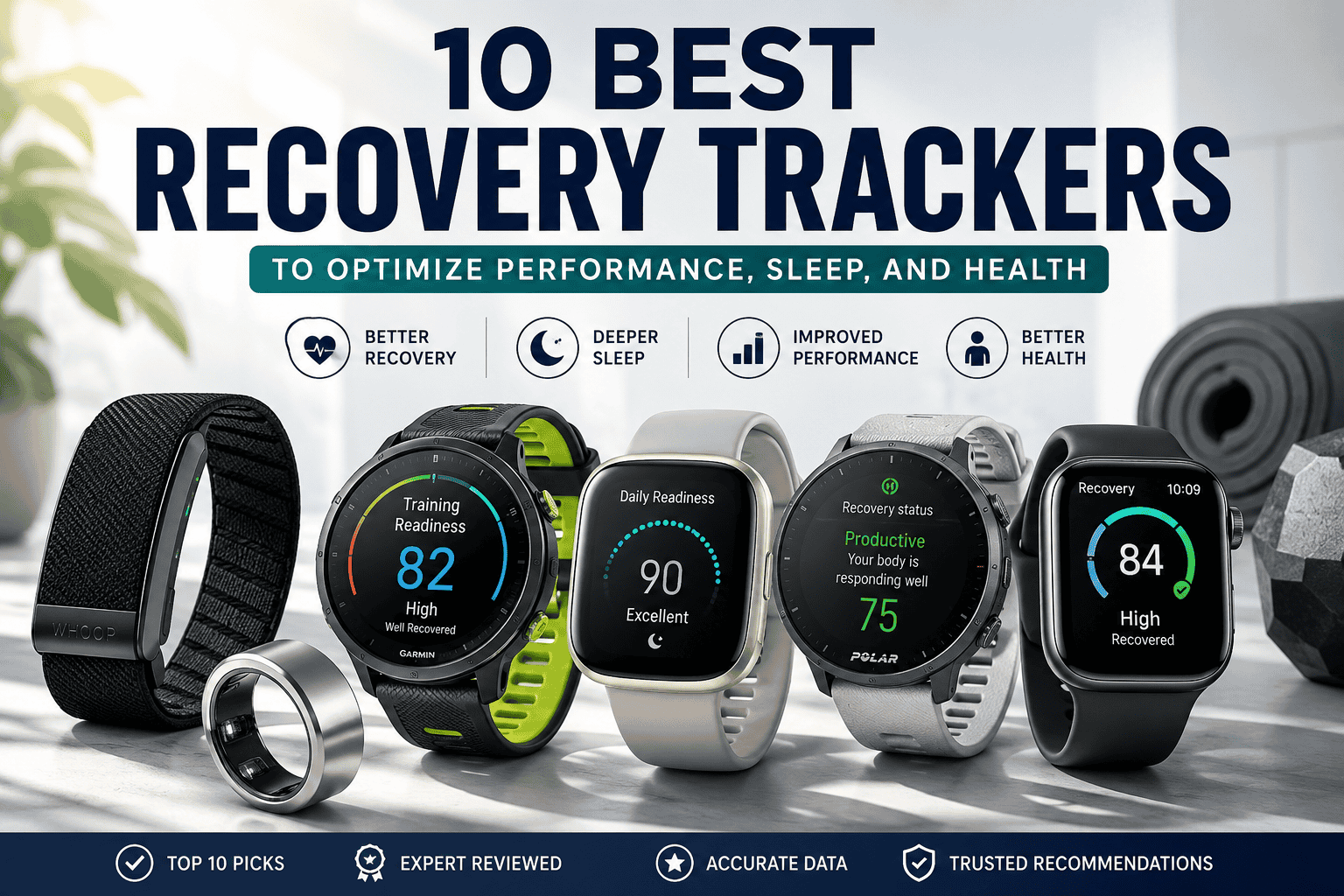
Most people train hard enough. Very few recover well enough. That gap — between the effort you put in and the adaptation your body can actually make — is where recovery trackers come in. The best recovery trackers don’t just count your steps or flash your heart rate. They track heart rate variability, sleep stages, blood oxygen, respiratory rate, skin temperature, and training load — then turn all that data into a single daily readiness score that tells you whether to push or pull back.
Whether you’re a competitive athlete managing a heavy training block, someone trying to improve their sleep, or simply a busy professional who wants to understand what’s happening inside their body — the right recovery tracker can be a genuinely useful tool.
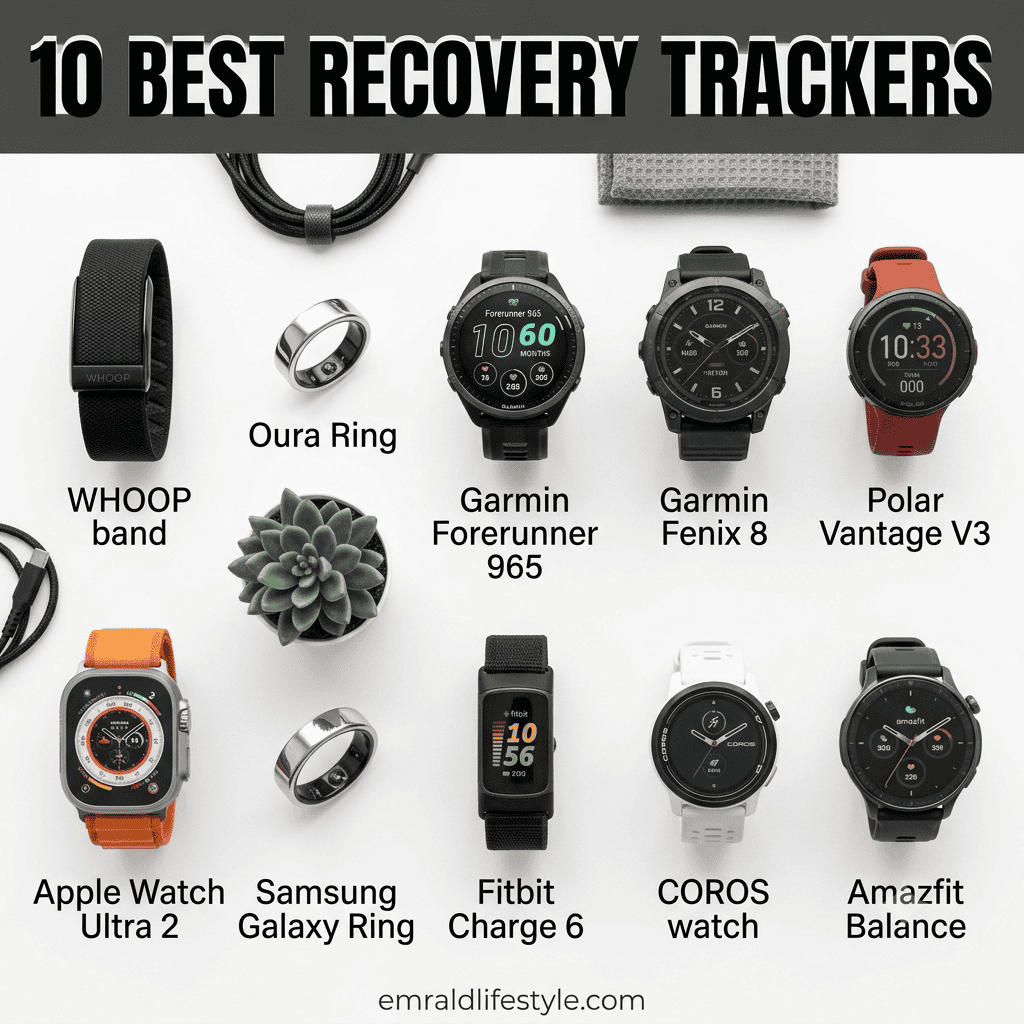
This guide covers the 10 best recovery trackers available on Amazon right now. Each one has been evaluated on recovery scoring, HRV accuracy, sleep tracking quality, battery life, subscription costs, and real-world usability. You’ll also find comparison tables, a detailed buying guide, and clear recommendations by user type.
Let’s get into it.
What Makes a Great Recovery Tracker?
Before you spend your money, it helps to understand what the key metrics actually mean — and why they matter.
Heart Rate Variability (HRV)
HRV is the variation in time between consecutive heartbeats. Counterintuitively, more variation is better. According to established cardiovascular science, a higher HRV generally indicates the parasympathetic nervous system is active — meaning your body has absorbed training stress and is ready for more.
Low HRV — caused by overtraining, poor sleep, illness, stress, or alcohol — signals that your body is still under load. The American Heart Association recognizes HRV as a clinically meaningful biomarker for autonomic nervous system health and cardiovascular fitness.
The best recovery trackers measure HRV continuously during sleep, build your personal baseline over weeks, and translate that into a daily recovery number you can actually act on.
Sleep Stages
Sleep isn’t just rest — it’s repair. During slow-wave (deep) sleep, your body releases growth hormone and repairs muscle tissue. During REM sleep, your brain consolidates learning and manages emotional stress. Both stages are essential for athletic recovery, cognitive performance, and immune function.
Recovery trackers measure sleep stages using accelerometer data, heart rate patterns, and HRV fluctuations throughout the night.
Resting Heart Rate
Your resting heart rate (RHR) during sleep is a reliable proxy for recovery status. A significantly elevated RHR compared to your personal baseline — without a change in fitness level — often precedes illness, overtraining, or excessive stress.
Body Temperature
Skin temperature deviations provide early signals for illness onset, hormonal cycle changes (particularly useful for women), and recovery quality. Some devices use temperature as a primary recovery input; others use it as a secondary signal.
Recovery and Readiness Scores
The best recovery trackers synthesize all of these inputs — HRV, RHR, sleep, temperature, respiratory rate — into a single daily score. Green means go. Red means rest.
Done well, these scores are genuinely useful training tools. Done poorly, they’re just numbers that don’t correlate with how you feel or perform.
Quick Comparison Table
| Device | Recovery Score | Sleep Tracking | HRV | GPS | Battery | Subscription | Best For |
|---|---|---|---|---|---|---|---|
| WHOOP 5.0 | ✅ Excellent | ✅ Excellent | ✅ Best-in-class | ❌ | ~4–5 days | Required (~$18–30/mo) | Athletes, recovery focus |
| Oura Ring Gen 4 | ✅ Excellent | ✅ Excellent | ✅ Excellent | ❌ | 5–8 days | Required (~$6/mo) | Sleep, biohackers, women |
| Garmin Forerunner 965 | ✅ Good (Body Battery) | ✅ Good | ✅ Good (HRV Status) | ✅ Multi-band | ~23 days | None | Elite runners, triathletes |
| Garmin Fenix 8 | ✅ Good (Body Battery) | ✅ Good | ✅ Good | ✅ Multi-band | ~16 days (watch) | None | Multisport, adventure |
| Polar Vantage V3 | ✅ Good (Orthostatic Test) | ✅ Good | ✅ Advanced | ✅ Built-in | ~40 hours | None | Serious endurance athletes |
| Apple Watch Series 10 | ✅ Basic | ✅ Moderate | ✅ Basic | ✅ Built-in | ~18 hours | None (Fitness+ optional) | iPhone users |
| Samsung Galaxy Ring | ✅ Good | ✅ Good | ✅ Good | ❌ | ~7 days | None (Galaxy users) | Samsung/Android users |
| Fitbit Charge 6 | ✅ Basic (Premium req.) | ✅ Good | ✅ Basic | ✅ Built-in | ~7 days | Optional ($9.99/mo) | Budget, everyday users |
| COROS Pace Pro | ✅ Moderate | ✅ Basic | ✅ Moderate | ✅ Built-in | ~38 hours (GPS) | None | Runners, no subscription |
| Amazfit Balance | ✅ Basic | ✅ Good | ✅ Basic | ✅ Built-in | ~14 days | None (Zepp app free) | Budget-conscious beginners |
Subscription Cost Comparison
| Device | Monthly Cost | Required? | What’s Locked Behind Paywall |
|---|---|---|---|
| WHOOP 5.0 | ~$18–30/mo | ✅ Required | Everything — device unusable without membership |
| Oura Ring Gen 4 | ~$6/mo | ✅ Required | Readiness Score, Sleep Score, Oura Advisor AI |
| Garmin (all models) | $0 | ❌ Optional | Some Connect+ features only; core features always free |
| Polar Vantage V3 | $0 | ❌ None | All features free |
| Apple Watch Series 10 | $0 | ❌ None | Core health features free; Apple Fitness+ optional |
| Samsung Galaxy Ring | $0 | ❌ None (Galaxy users) | All features free with Galaxy ecosystem |
| Fitbit Charge 6 | $9.99/mo | ❌ Optional | Daily Readiness Score, detailed sleep reports |
| COROS Pace Pro | $0 | ❌ None | All features free |
| Amazfit Balance | $0 | ❌ None | All features free via Zepp app |
WHOOP pricing: Always verify current rates at whoop.com — pricing has changed with each product generation.
Battery Life Comparison
| Device | Battery Life (Smartwatch Mode) | Battery (GPS Active) | Charging Method |
|---|---|---|---|
| WHOOP 5.0 | ~4–5 days | N/A (no GPS) | On-wrist external pack |
| Oura Ring Gen 4 | 5–8 days | N/A (no GPS) | Charging dock |
| Garmin Forerunner 965 | ~23 days | ~31 hours | Standard cable |
| Garmin Fenix 8 (47mm) | ~16 days | ~57 hours | Standard cable |
| Polar Vantage V3 | ~40 hours (training) | ~40 hours GPS | Standard cable |
| Apple Watch Series 10 | ~18 hours | ~6 hours GPS | Magnetic charging |
| Samsung Galaxy Ring | ~7 days | N/A | Charging case |
| Fitbit Charge 6 | ~7 days | ~5 hours GPS | Proprietary clip cable |
| COROS Pace Pro | ~38 hours GPS | ~38 hours | USB-C |
| Amazfit Balance | ~14 days | ~8 hours GPS | Magnetic cable |
Accuracy Comparison
| Device | Sleep Accuracy | HRV Accuracy | Recovery Accuracy | Workout HR Accuracy |
|---|---|---|---|---|
| WHOOP 5.0 | ⭐⭐⭐⭐⭐ | ⭐⭐⭐⭐⭐ | ⭐⭐⭐⭐⭐ | ⭐⭐⭐⭐ |
| Oura Ring Gen 4 | ⭐⭐⭐⭐⭐ | ⭐⭐⭐⭐⭐ | ⭐⭐⭐⭐⭐ | ⭐⭐⭐⭐ |
| Garmin Forerunner 965 | ⭐⭐⭐⭐ | ⭐⭐⭐⭐ | ⭐⭐⭐⭐ | ⭐⭐⭐⭐ |
| Garmin Fenix 8 | ⭐⭐⭐⭐ | ⭐⭐⭐⭐ | ⭐⭐⭐⭐ | ⭐⭐⭐⭐ |
| Polar Vantage V3 | ⭐⭐⭐⭐ | ⭐⭐⭐⭐⭐ | ⭐⭐⭐⭐ | ⭐⭐⭐⭐⭐ |
| Apple Watch Series 10 | ⭐⭐⭐ | ⭐⭐⭐ | ⭐⭐⭐ | ⭐⭐⭐⭐ |
| Samsung Galaxy Ring | ⭐⭐⭐⭐ | ⭐⭐⭐⭐ | ⭐⭐⭐⭐ | ⭐⭐⭐ |
| Fitbit Charge 6 | ⭐⭐⭐⭐ | ⭐⭐⭐ | ⭐⭐⭐ | ⭐⭐⭐⭐ |
| COROS Pace Pro | ⭐⭐⭐ | ⭐⭐⭐ | ⭐⭐⭐ | ⭐⭐⭐⭐ |
| Amazfit Balance | ⭐⭐⭐ | ⭐⭐⭐ | ⭐⭐⭐ | ⭐⭐⭐ |
Accuracy ratings are based on independent user reviews, published consumer wearable research, and community-reported experience. No consumer device matches clinical measurement precision.
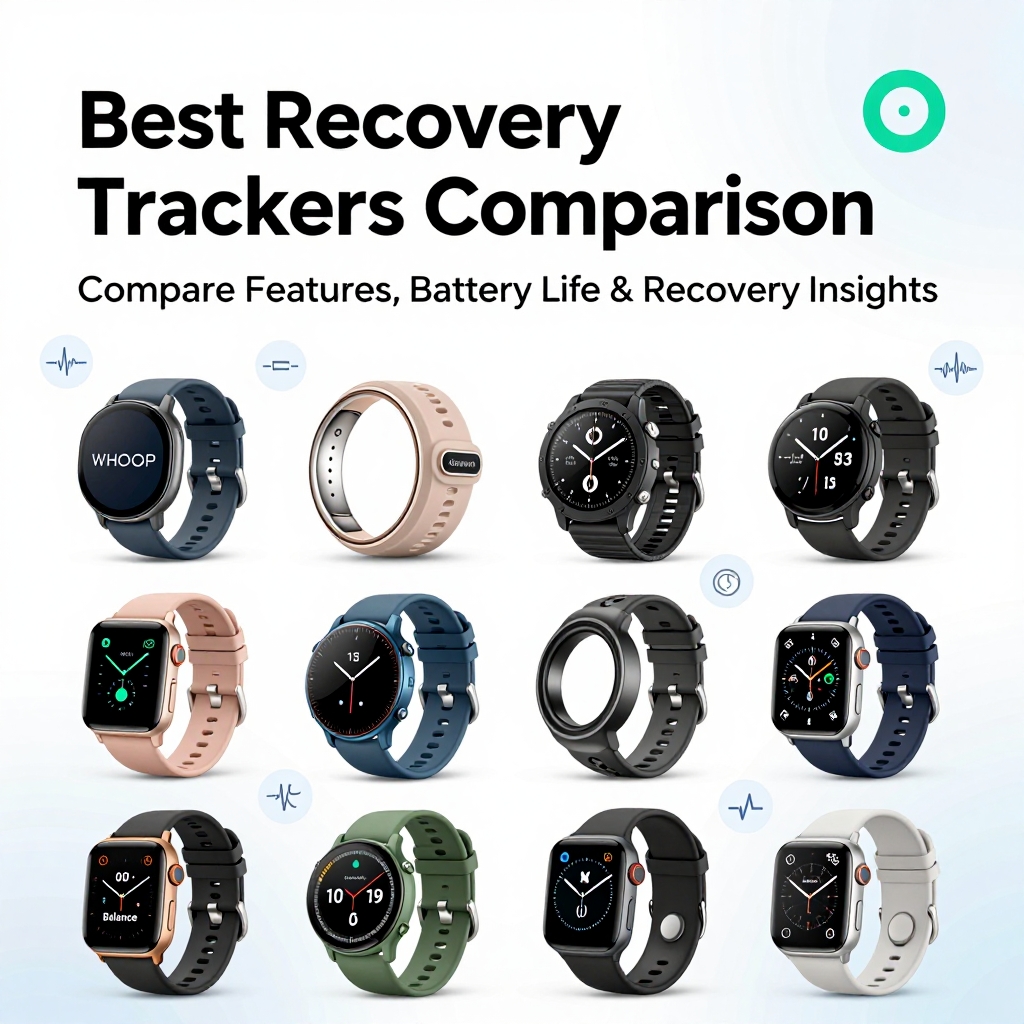
The 10 Best Recovery Trackers Reviewed
WHOOP 5.0 — Best Overall Recovery Tracker
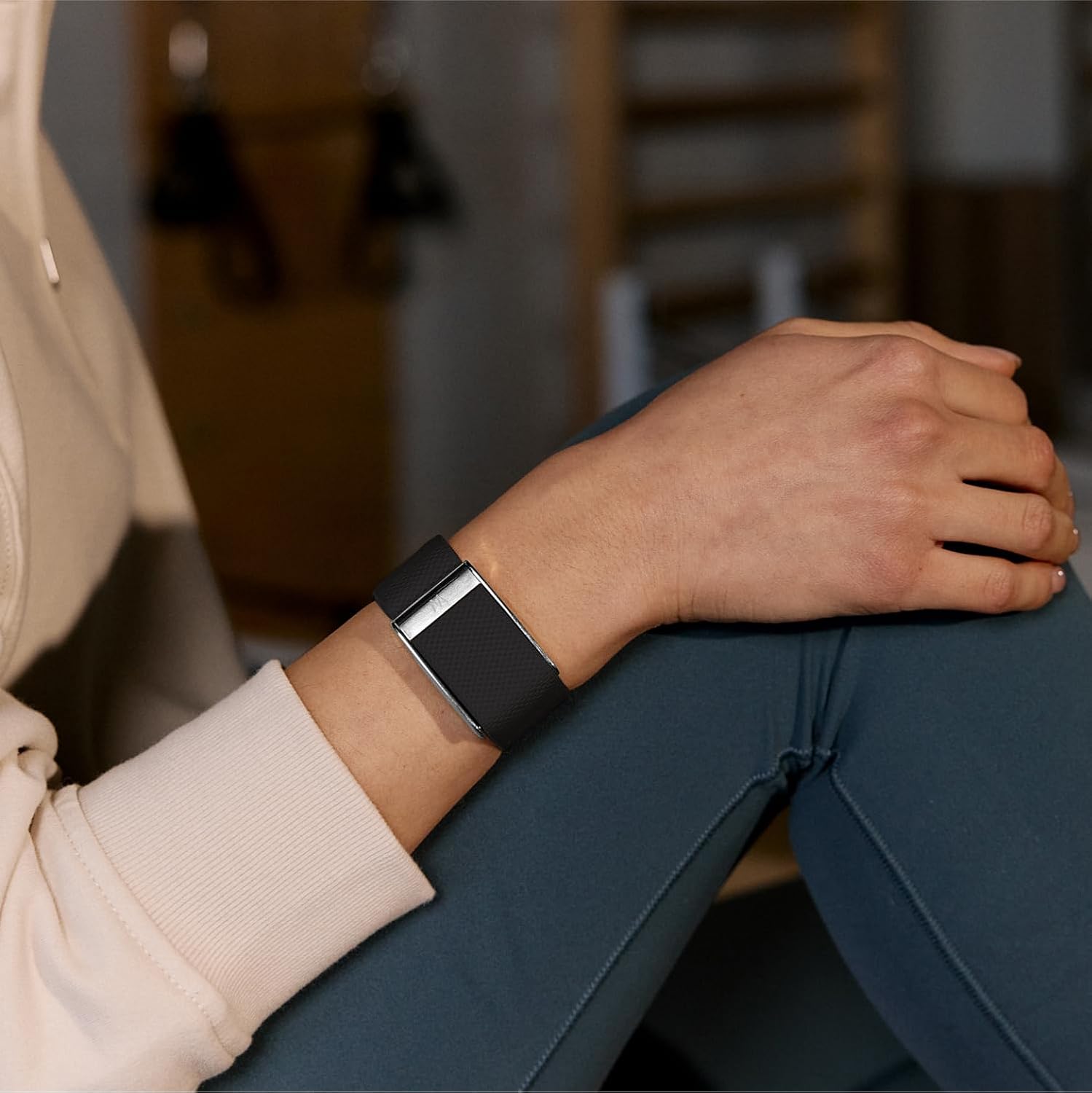
Editor’s Choice | Best for Athletes and Performance Optimization
If you care about recovery and nothing else, WHOOP is the standard everything else gets measured against. It has no display, no GPS, no step challenges, and no gamified streaks. What it has is the most sophisticated HRV-based recovery system available in a consumer wearable.
WHOOP 5.0 — the latest hardware iteration — builds on the already-strong WHOOP 4.0 foundation with an improved sensor suite, expanded health monitoring, and refined AI coaching. The result is a device that delivers two numbers every morning:
Recovery Score (0–100%): Built from overnight HRV, resting heart rate, sleep performance, and respiratory rate — calibrated entirely against your own personal baseline, not a population average.
Strain Score (0–21): A cumulative cardiovascular load metric that builds throughout the day, letting you know when you’ve hit your training target or exceeded it.
The Journal feature is one of the most underrated tools in any health wearable. Log your daily behaviors — alcohol, caffeine, supplements, stress, travel — and WHOOP shows you statistically which habits help or hurt your recovery over time. After 60–90 days, these insights become genuinely personal and clinically meaningful in a way no other consumer device currently replicates.
The Sleep Coach provides forward-looking bedtime recommendations based on your recovery goals for the following day. Want to peak for tomorrow’s race? WHOOP tells you exactly when to be asleep. Recovery day? Here’s the minimum you need.
WHOOP’s on-wrist charging system — where a battery pack clips onto the device while it’s still on your wrist — means you never remove WHOOP to charge. Your biometric stream never breaks. No data gaps. No missed overnight readings.
Who Should Buy WHOOP 5.0
Buy it if: You’re a competitive athlete, performance-focused individual, or biohacker who engages with recovery data daily and wants the deepest, most personalized HRV-based coaching available.
Skip it if: You want GPS, a display, smart features, or you’re not willing to commit to a subscription and the 30+ day personalization window.
WHOOP 5.0 Standout Features
- Continuous HRV monitoring every second during sleep
- Recovery Score with personalized HRV baseline (30+ day calibration)
- Sleep Coach with bedtime recommendations
- Strain Score for cumulative daily cardiovascular load
- Journal behavior correlation with statistical recovery impact
- AI-powered WHOOP Coach recommendations
- On-wrist charging (zero data gaps)
- IP68 waterproof
- Alternative wear sites (bicep, forearm, calf)
WHOOP 5.0 Pros and Cons
| ✅ Pros | ❌ Cons |
|---|---|
| Best HRV-based recovery scoring available | Subscription mandatory — device unusable without it |
| No screen = no distraction | No GPS |
| On-wrist charging ensures continuous data | No smart features |
| Journal behavioral insights after 60+ days | 30+ days to personalize |
| AI coaching adapts to your patterns | Highest long-term cost |
| IP68 waterproof | Learning curve for new users |
| Supports multiple wear sites | No display — requires phone |
Recovery Score: ⭐⭐⭐⭐⭐
Sleep Tracking: ⭐⭐⭐⭐⭐
Accuracy: ⭐⭐⭐⭐⭐
Battery: ⭐⭐⭐ (4–5 days, but on-wrist charging)
Value: ⭐⭐⭐⭐ (excellent for athletes; poor ROI for casual users)
Subscription: Required (~$18–30/month)
Approx. Amazon price: Check current pricing
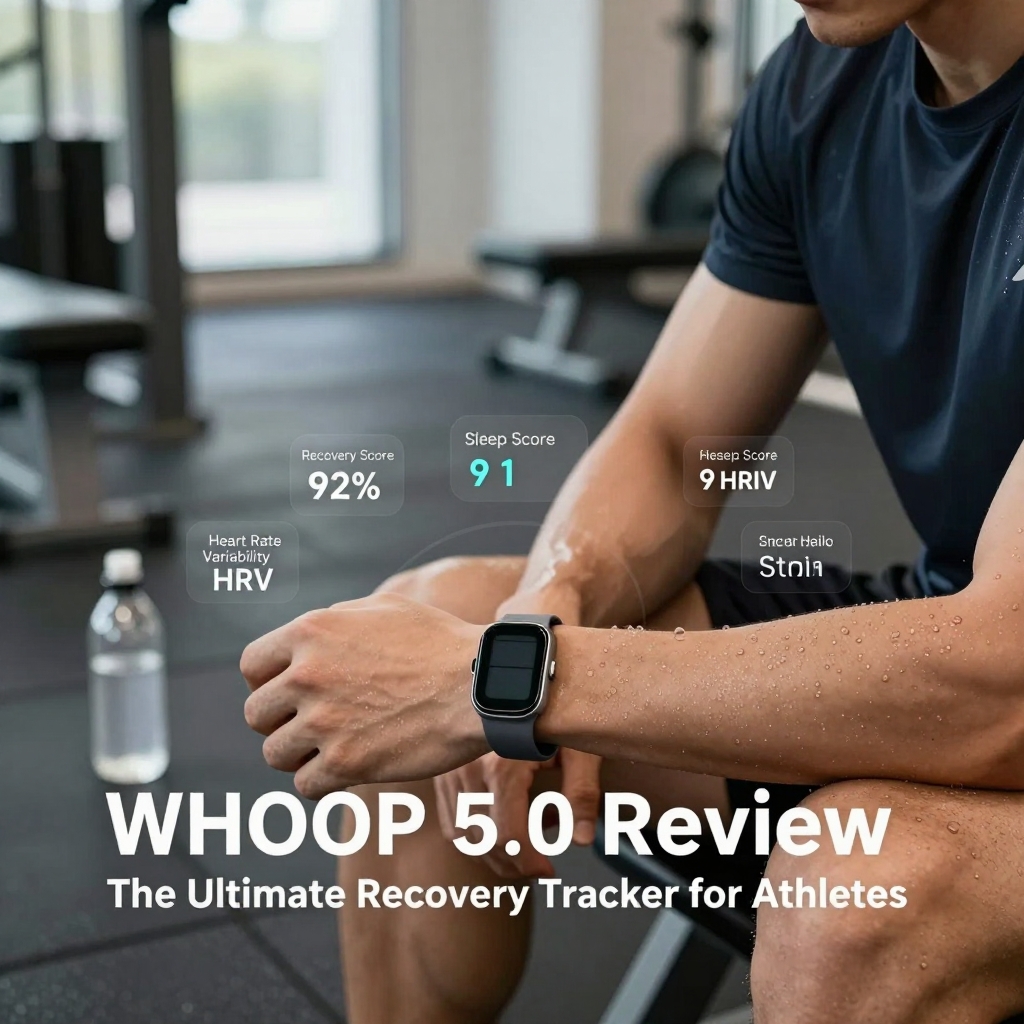
2 Oura Ring Gen 4 — Best Screenless Recovery Tracker
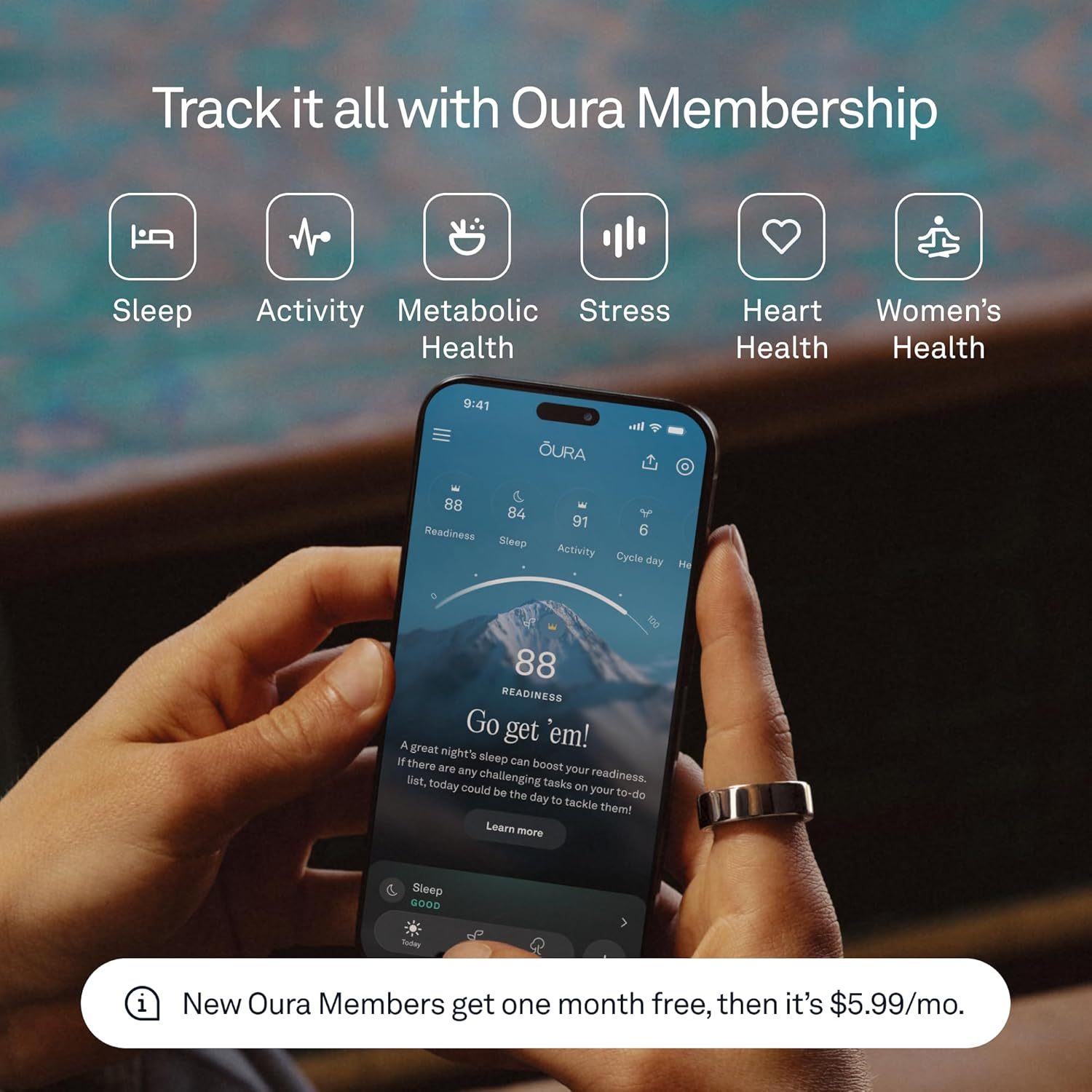
Best for Sleep | Best Screenless Fitness Tracker | Best for Women
The Oura Ring Gen 4 is the most refined health-monitoring ring on the market. If WHOOP is the athlete’s recovery coach, Oura is the holistic wellness advisor. The two devices share a core commitment to biometric precision — but they serve slightly different masters.
Oura’s sensor array reads from the finger — a physiologically superior site compared to the wrist for optical heart rate measurement. Blood vessels in the finger sit closer to the skin surface, face less motion interference, and produce stronger PPG signals. The result: more precise overnight HRV readings and more accurate sleep stage classification.
The Readiness Score (0–100) synthesizes HRV, resting heart rate, body temperature, sleep quality, and activity balance. The Sleep Score tracks light, deep, REM, and awake time with detailed breakdowns of each stage. The Activity Score monitors daily movement without being preachy about step goals.
Gen 4 improves on Gen 3 with enhanced PPG sensors, better HR tracking accuracy, and improved SpO2 monitoring. The Oura Advisor AI — the platform’s conversational health coach — interprets your data and delivers personalized insights through the app.
At 4–6 grams, you forget it’s there. That’s the Oura Ring’s biggest practical advantage: consistent overnight wear without the discomfort of a wristband, which directly improves biometric accuracy.
Oura also leads the field in women’s health tracking — using temperature deviations to flag potential ovulation windows and overlaying cycle phase data on your recovery and readiness scores. Female athletes can see how hormonal cycles affect their HRV and readiness.
Who Should Buy Oura Ring Gen 4
Buy it if: Sleep optimization is your priority, or you want deep recovery insights in the most comfortable, unobtrusive form factor available. Also the top pick for women athletes and biohackers.
Skip it if: You need GPS, smart features, or workout-specific metrics like pace and cadence. Also note that ring sizing is permanent — use the Oura sizing kit carefully before ordering.
Oura Ring Gen 4 Standout Features
- Advanced nightly HRV measurement (RMSSD)
- Readiness Score, Sleep Score, Activity Score
- Continuous skin temperature monitoring and deviation tracking
- SpO2 overnight monitoring
- Menstrual cycle tracking with hormonal pattern detection
- Oura Advisor AI coaching
- 5–8 day battery (size-dependent)
- 100-meter water resistance
- Titanium shell — no plastic, looks like a regular ring
Oura Ring Gen 4 Pros and Cons
| ✅ Pros | ❌ Cons |
|---|---|
| Most comfortable recovery device for overnight wear | Permanent ring sizing — requires careful measurement |
| Finger-based HR gives superior biometric precision | No GPS |
| Excellent sleep stage tracking | No display |
| Lowest subscription cost (~$6/month) | Limited active workout tracking |
| Temperature-based cycle tracking for women | Subscription required for full features |
| Stylish — looks like jewelry, not a gadget | No smart notifications or payments |
| AI coaching with Oura Advisor | Takes 2+ weeks to establish baseline |
Recovery Score: ⭐⭐⭐⭐⭐
Sleep Tracking: ⭐⭐⭐⭐⭐
HRV Accuracy: ⭐⭐⭐⭐⭐
Battery: ⭐⭐⭐⭐ (5–8 days)
Value: ⭐⭐⭐⭐⭐ (excellent at $6/month)
Subscription: Required (~$6/month)
Approx. Amazon price: ~$300–350 + subscription
For a deeper comparison, see our full WHOOP vs Oura breakdown and our guide to the best Oura Ring alternatives.
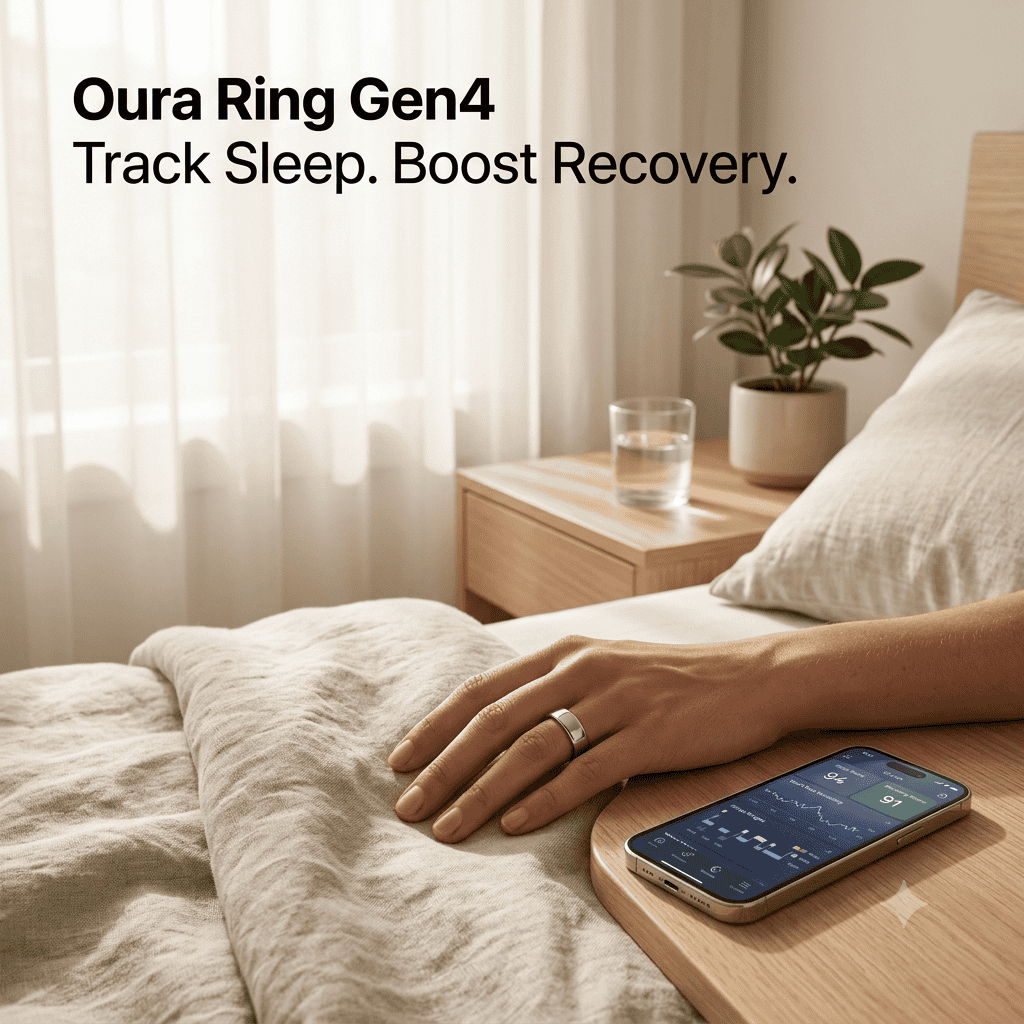
3 Garmin Forerunner 965 — Best for Runners and Triathletes
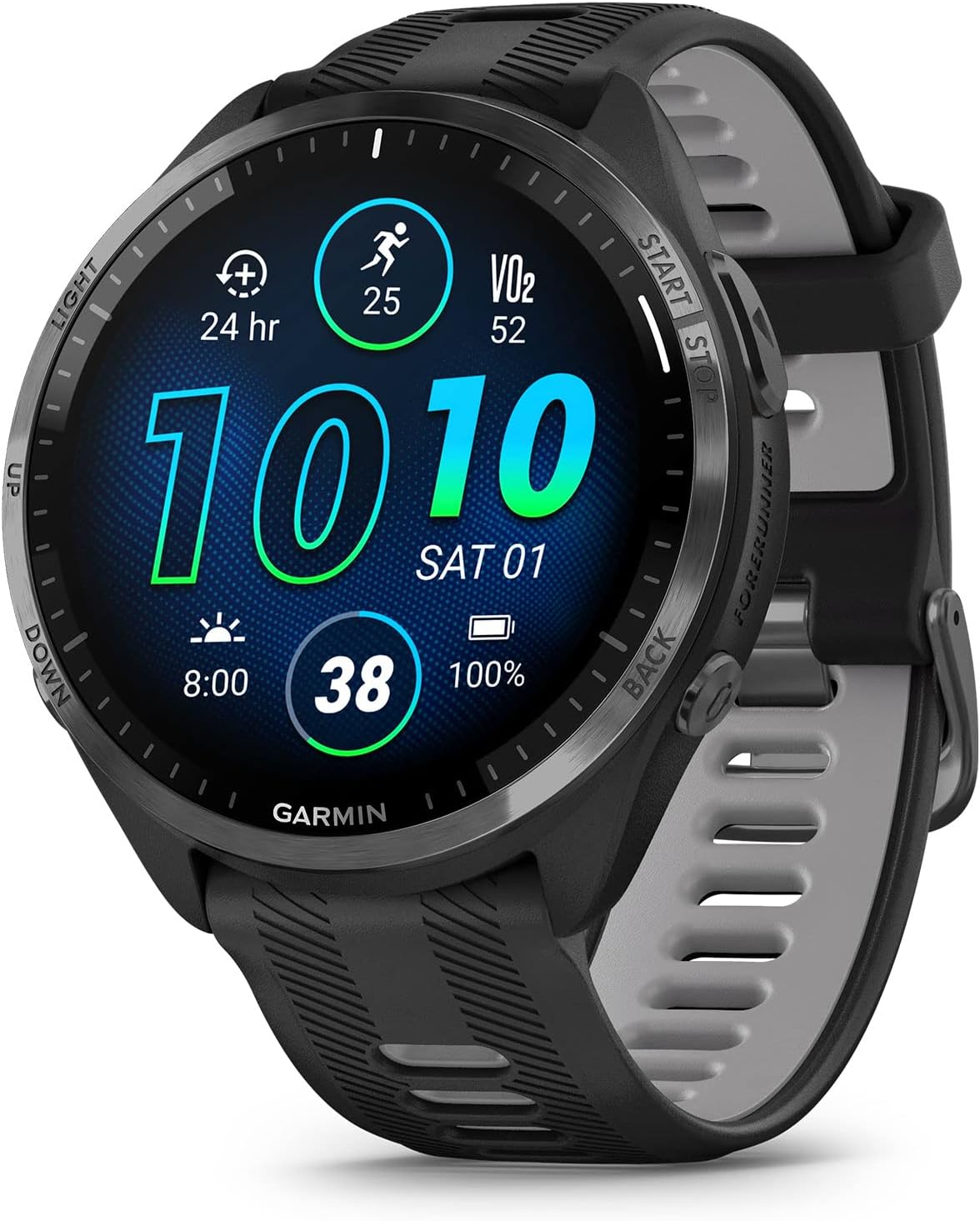
Premium Pick | Best Recovery Tracker Without Subscription | Best for Runners
The Garmin Forerunner 965 proves you don’t need a monthly subscription to get genuinely useful recovery data — if you’re willing to invest upfront in the right hardware.
Body Battery and HRV Status give Garmin a solid recovery toolkit. Body Battery (0–100) tracks your energy reserves in real time, rising with sleep and dropping with training and stress. HRV Status monitors your 5-week rolling HRV average and flags deviations from your personal baseline. Daily Suggested Workouts adapt your planned sessions to your current readiness — rest day if you’re depleted, quality session if you’re primed.
For runners specifically, the Forerunner 965 goes far beyond recovery. Multi-band GNSS GPS (GPS, GLONASS, Galileo) delivers route accuracy that outperforms single-band competition. Advanced Running Dynamics (with HRM chest strap) provide cadence, ground contact time, stride length, and vertical oscillation. VO2 Max estimation, race predictor, and Training Load Focus round out the platform.
The 23-day battery in smartwatch mode — combined with a free platform and deep third-party integration — makes this one of the most cost-efficient performance trackers over a 3-year window.
The main limitation for recovery tracking: charging the Forerunner 965 overnight breaks your biometric data stream. Most serious Garmin users charge during commutes, desk time, or early evenings instead.
Who Should Buy Garmin Forerunner 965
Buy it if: You’re a serious runner, triathlete, or endurance athlete who wants excellent GPS performance, solid recovery metrics, and zero ongoing fees.
Skip it if: Recovery is your only goal — WHOOP or Oura provide deeper daily recovery coaching. Also skip if budget is a concern; the initial investment is significant.
Garmin Forerunner 965 Standout Features
- Multi-band GNSS GPS for best-in-category route accuracy
- Body Battery recovery energy gauge
- HRV Status (5-week rolling trend)
- Daily Suggested Workouts with fitness adaptation
- Advanced Running Dynamics (with HRM accessory)
- VO2 Max estimation and Race Predictor
- Training Load Focus and Training Status
- Offline color topographic maps
- 23-day smartwatch battery / 31-hour GPS battery
- Garmin Connect free, no subscription required
Garmin Forerunner 965 Pros and Cons
| ✅ Pros | ❌ Cons |
|---|---|
| No subscription — Garmin Connect free forever | Recovery scoring less granular than WHOOP/Oura |
| Multi-band GPS — industry leading accuracy | Overnight charging creates sleep data gaps |
| 23-day battery life | High upfront cost |
| Excellent training analytics (VO2 Max, Training Status) | Heavier than Forerunner 265 |
| AI-adapted Daily Suggested Workouts | HRV trend-based rather than daily precision |
| Full smartwatch features (music, payments, notifications) | |
| Offline topo maps included |
Recovery Score: ⭐⭐⭐⭐
Sleep Tracking: ⭐⭐⭐⭐
HRV Accuracy: ⭐⭐⭐⭐
Battery: ⭐⭐⭐⭐⭐
Value: ⭐⭐⭐⭐⭐ (no recurring fees)
Subscription: None Approx. Amazon price: ~$500–600
See our full WHOOP vs Garmin comparison and Garmin vs Oura breakdown for more detail.
4 Garmin Fenix 8 — Best for Elite Multisport Athletes
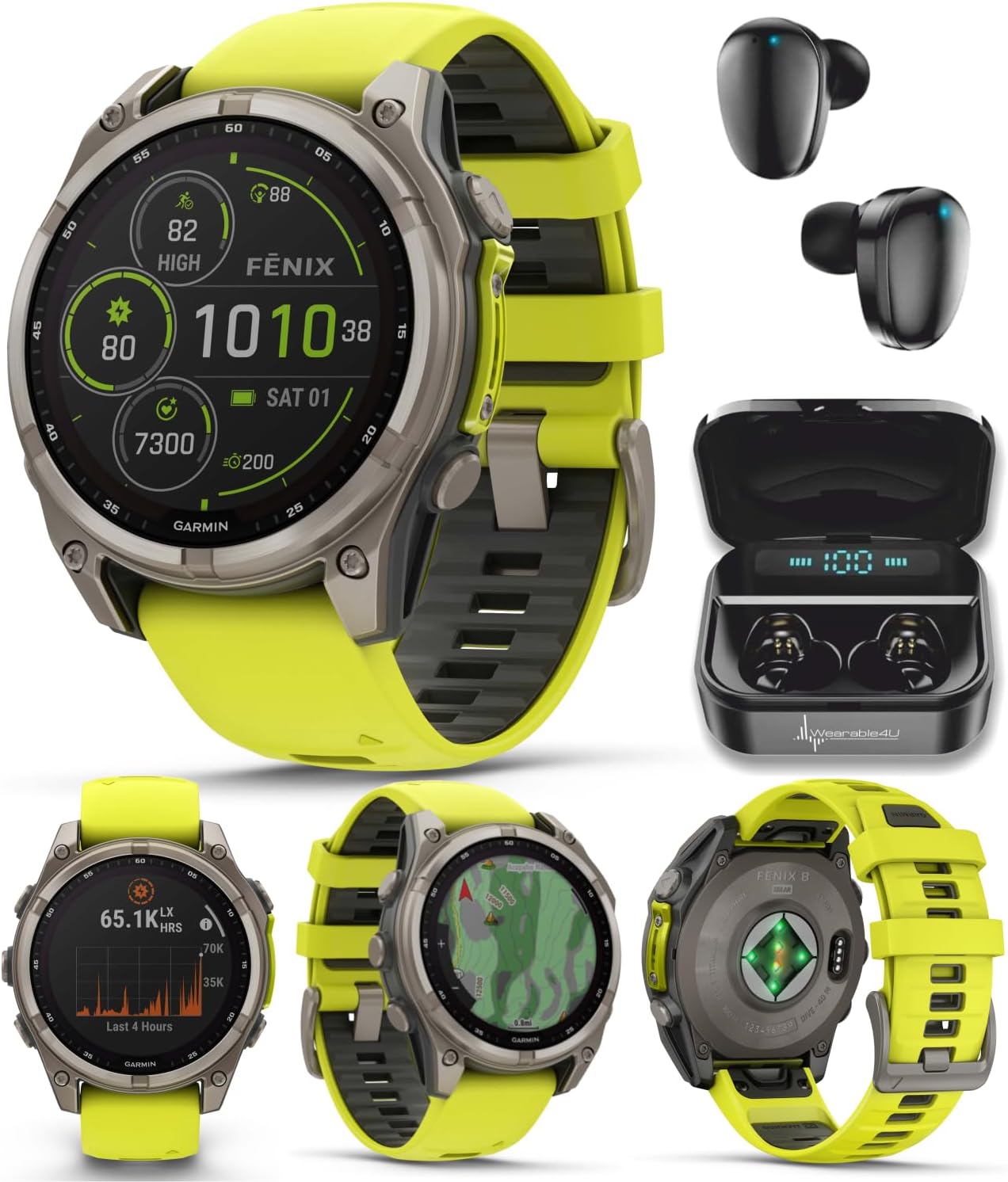
Premium Flagship | Best Recovery Tracker for Adventure Athletes
The Garmin Fenix 8 is what happens when a GPS watch is designed with absolutely no compromises. Military-grade durability, an LED flashlight, a built-in dive computer, offline topographic maps, voice control, and up to 57 hours of GPS battery life — all wrapped around the same recovery toolkit available on the Forerunner 965.
Body Battery, HRV Status, and Daily Suggested Workouts are present and perform identically to the Forerunner 965. What the Fenix 8 adds is rugged versatility: trail runners, mountaineers, military operators, and adventure athletes get a device that keeps up with anything life throws at it.
The MIL-STD-810H specification covers thermal shock, vibration, humidity, altitude, and impact resistance. The Fenix 8 Amoled variant uses sapphire crystal glass. The Solar charging variant extends already-long battery life even further with solar panels integrated into the face.
For most road runners and gym athletes, the Fenix 8 is overkill — both in capability and price. But for the athlete who genuinely pushes limits in demanding environments, it’s the best GPS-based recovery and performance tracker available at any price.
Who Should Buy Garmin Fenix 8
Buy it if: You’re an adventure athlete, trail ultrarunner, mountaineer, military professional, or serious triathlete who needs the most capable and durable recovery watch built.
Skip it if: You train on roads and in gyms — the Forerunner 965 gives you equivalent recovery data at significantly lower cost and weight.
Garmin Fenix 8 Pros and Cons
| ✅ Pros | ❌ Cons |
|---|---|
| MIL-SPEC durability for demanding conditions | Highest upfront cost on this list |
| 57-hour GPS battery | Heavy and bulky for everyday wear |
| Offline topo maps + navigation | Overkill for most athletes |
| LED flashlight, dive computer, voice control | |
| No subscription | |
| All recovery features from Forerunner 965 |
Recovery Score: ⭐⭐⭐⭐
Battery: ⭐⭐⭐⭐⭐
Value for most users: ⭐⭐⭐ (excellent for adventure athletes)
Subscription: None
Approx. Amazon price: ~$600–900
5 Polar Vantage V3 — Best for Advanced Training Analytics
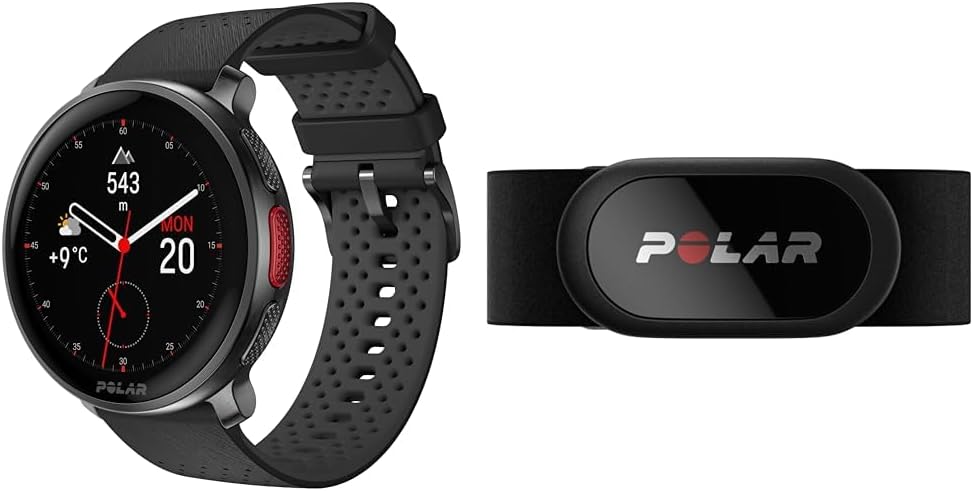
Best for Serious Endurance Athletes | Best HRV Wrist Tracker
Polar has been in the heart rate monitoring business longer than any company on this list. Founded in 1977 as a medical device company before pivoting to sport, Polar’s precision HR heritage flows directly into the Vantage V3.
The Vantage V3 is built around the principle that accurate physiological data leads to better training decisions. Its optical HR sensor — developed from Polar’s medical-grade monitoring legacy — is among the most accurate wrist-based HR systems available in consumer sport watches.
The standout recovery feature is the Polar Orthostatic Test — a guided morning measurement protocol where you lie still, then stand, while the Vantage V3 measures the autonomic nervous system response to the postural change. This HRV-based test is derived from actual sports science research and is used by professional sports organizations worldwide.
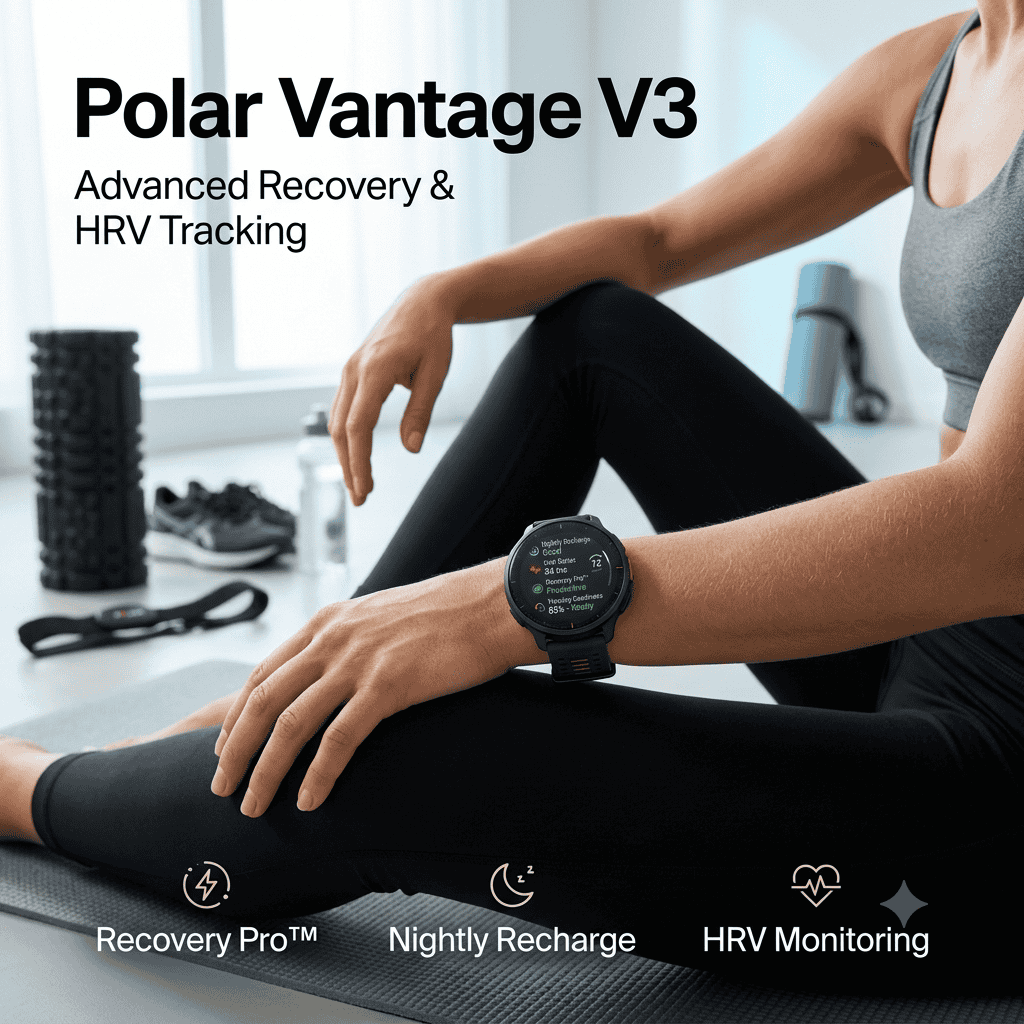
The Nightly Recharge feature measures autonomic nervous system activity overnight (ANS charge) and physical recovery (sleep charge) to produce a morning readiness picture. Training Load Pro breaks training stress into cardio load, muscle load, and perceived load — a more sophisticated approach than most competitors.
Polar also integrates Sleep Plus Stages for sleep stage tracking and Running Power (measured via internal sensors, no extra accessory needed) for pace-independent effort measurement.
No subscription is required. Polar Flow — the companion app — is free and provides detailed training history, load analysis, and recovery trend tracking.
Who Should Buy Polar Vantage V3
Buy it if: You’re a serious endurance athlete (runner, cyclist, triathlete) who prioritizes physiological accuracy over smartwatch features, values sports-science-grounded recovery tools, and doesn’t want a subscription.
Skip it if: You want the most beginner-friendly interface, the best GPS in class (Garmin’s multi-band GPS still leads), or the most developed smart features.
Polar Vantage V3 Standout Features
- Polar Orthostatic Test for HRV-based daily readiness
- Nightly Recharge (ANS + sleep recovery measurement)
- Training Load Pro (cardio, muscle, perceived load)
- Running Power (built-in, no accessory needed)
- Hill Splitter for automatic elevation tracking
- GPS + GLONASS + Galileo + Baro altimeter
- Polar Precision Prime sensor fusion HR
- ~40-hour GPS battery
- No subscription required
Polar Vantage V3 Pros and Cons
| ✅ Pros | ❌ Cons |
|---|---|
| Best wrist-based HR accuracy among running watches | Smaller app ecosystem than Garmin |
| Orthostatic Test is genuinely sports-science backed | Less polished UI than Garmin Connect |
| No subscription required | Less third-party integration |
| Running Power without extra accessories | Nightly Recharge is useful but less granular than WHOOP/Oura HRV |
| Training Load Pro breaks down stress by type | |
| 40-hour GPS battery |
Recovery Score: ⭐⭐⭐⭐
Sleep Tracking: ⭐⭐⭐⭐
HRV Accuracy: ⭐⭐⭐⭐⭐
Battery: ⭐⭐⭐⭐
Value: ⭐⭐⭐⭐⭐
Subscription: None
Approx. Amazon price: ~$400–500
6 Apple Watch Series 10 — Best for iPhone Users
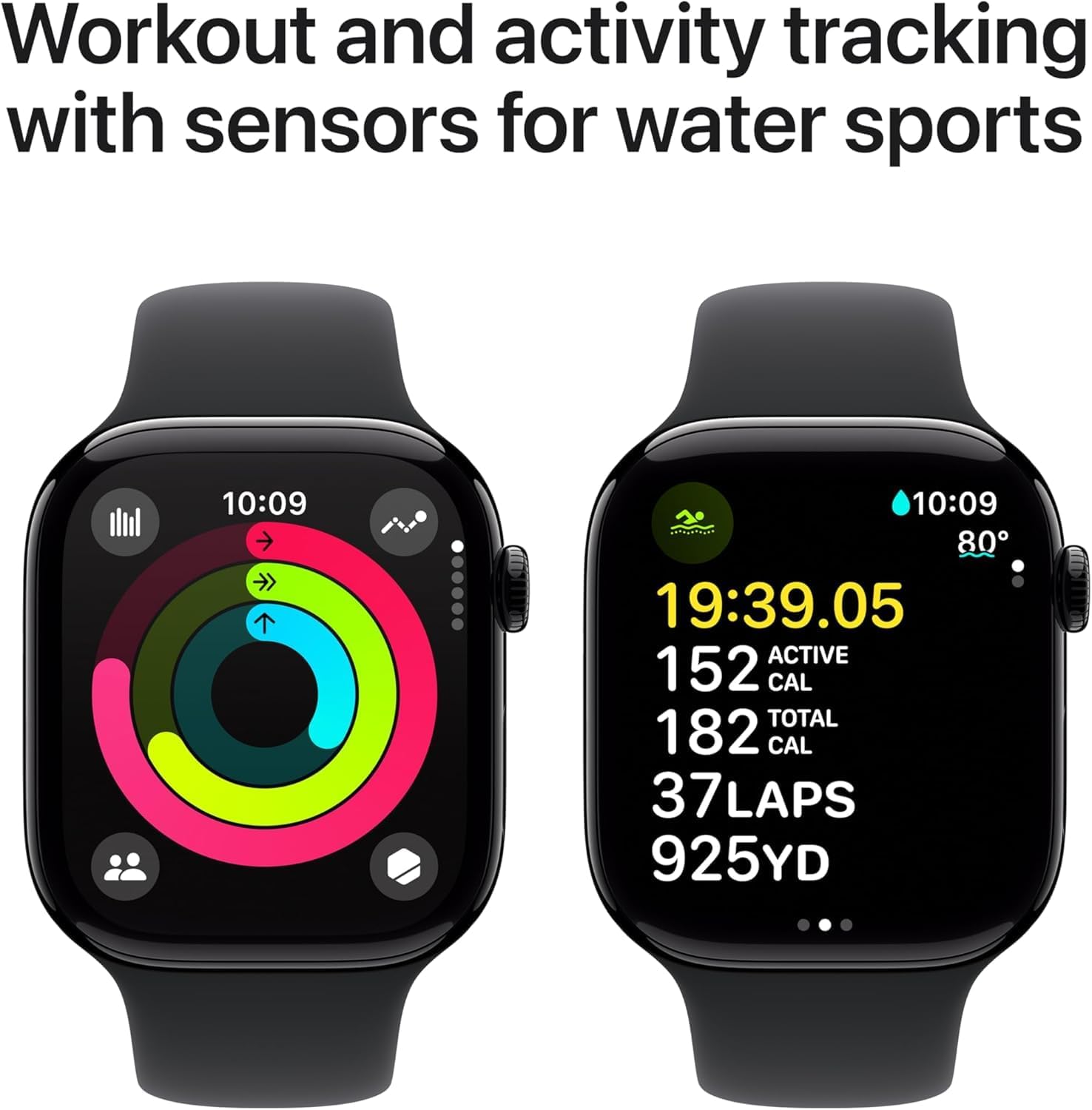
Best Smartwatch | Best Recovery Tracker for Apple Ecosystem
Apple Watch Series 10 is the thinnest and lightest Apple Watch ever made. It’s also the best smartwatch experience available for iPhone users — and a capable, if not class-leading, health tracker.
Apple Watch’s fitness tracking is genuinely strong. Activity Rings (Move, Exercise, Stand) provide intuitive daily motivation. Workout tracking covers a wide range of activities. Heart rate monitoring, SpO2, ECG, crash detection, temperature sensing, and fall detection make it one of the most health-feature-complete smartwatches available.
The limitation for recovery tracking: Apple Watch’s health ecosystem is deeper than most people realize, but it remains less focused on recovery optimization than WHOOP, Oura, or Garmin. Sleep tracking covers stages and provides a sleep score — but the coaching depth doesn’t match dedicated recovery platforms. HRV is measured and logged, but it’s less prominently integrated into daily guidance.
The ~18-hour battery requires daily charging — typically overnight, which creates gaps in the sleep data that undermines recovery monitoring continuity. Apple Watch Ultra 2 extends this to ~60 hours, making it significantly more capable for multi-day adventures and events.
Apple Watch integrates deeply with Apple Health, which aggregates data from third-party apps including WHOOP, Oura, Garmin, and Peloton. For iPhone users who want a single hub for all their health data — regardless of which wearables they use — Apple Watch is the natural ecosystem anchor.
Who Should Buy Apple Watch Series 10
Buy it if: You’re an iPhone user who wants the best smartwatch experience alongside solid health tracking, with access to a massive app ecosystem.
Skip it if: Recovery optimization is your primary goal, or you need more than ~18 hours of battery life for ultra-endurance activities.
Apple Watch Series 10 Pros and Cons
| ✅ Pros | ❌ Cons |
|---|---|
| Full Apple smartwatch ecosystem | ~18-hour battery — daily charging required |
| ECG, crash detection, fall detection | Requires iPhone |
| Thinnest, lightest Apple Watch design | Less recovery coaching depth than WHOOP/Oura |
| Large third-party fitness app ecosystem | No HRV-based recovery score |
| Apple Health integration hub | Less GPS depth than Garmin for endurance |
| watchOS updates extend functionality over time |
Recovery Score: ⭐⭐⭐
Sleep Tracking: ⭐⭐⭐
HRV Accuracy: ⭐⭐⭐
Battery: ⭐⭐ (Series 10) / ⭐⭐⭐⭐ (Ultra 2)
Value: ⭐⭐⭐⭐ (for iPhone users wanting a smartwatch)
Subscription: None (Fitness+ optional)
Approx. Amazon price: ~$350–400 (Series 10)
7 Samsung Galaxy Ring — Best Galaxy Ecosystem Ring
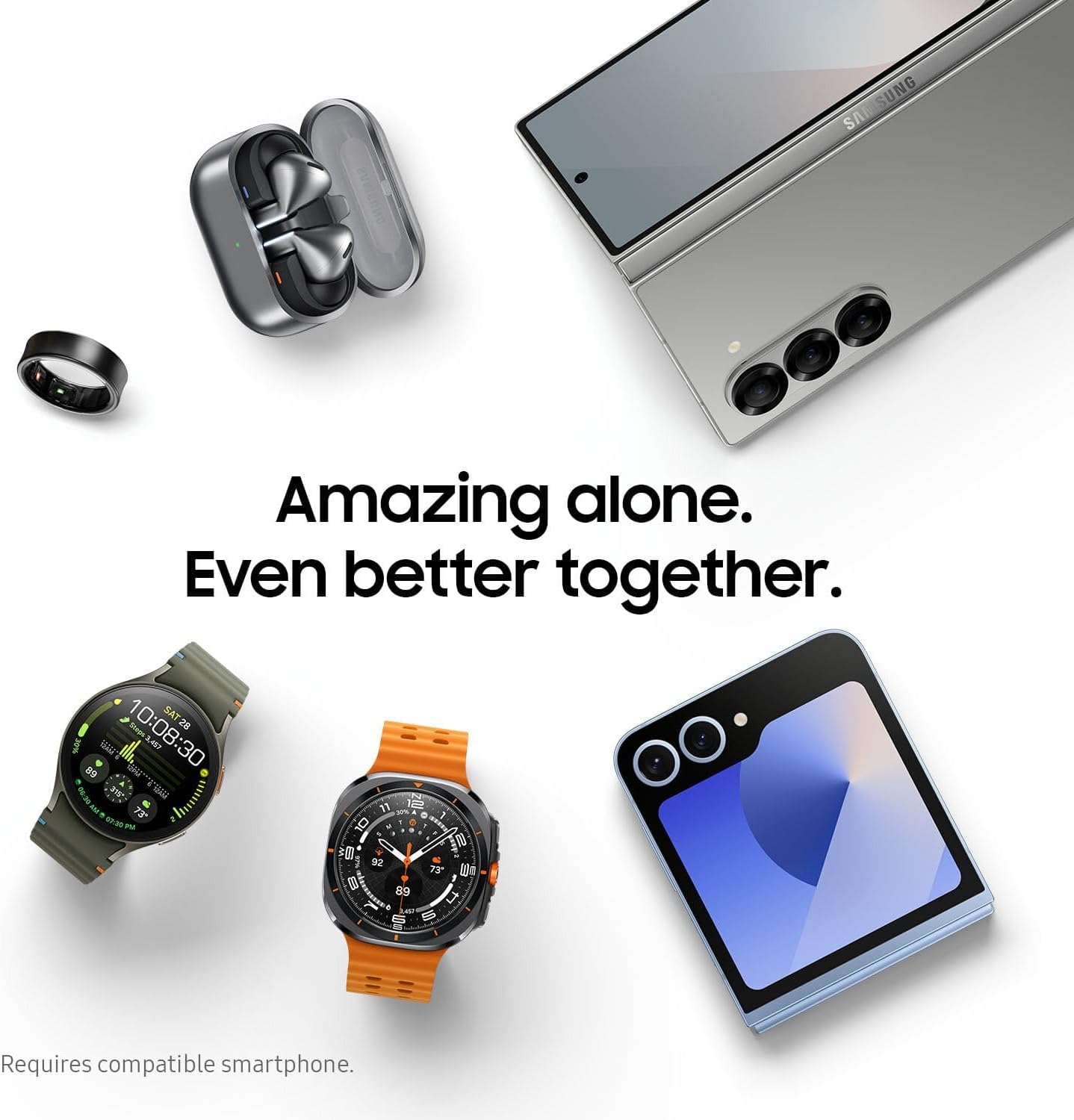
SAMSUNG Galaxy Ring, AI Smart Ring, Size First w/Sizing Kit, No App Subscription
Best Ring for Android Users | Best Subscription-Free Smart Ring
The Samsung Galaxy Ring is the most compelling answer to the question of whether you can get ring-based health tracking without a monthly subscription.
Samsung built the Galaxy Ring as part of its broader Galaxy AI health ecosystem. Health data flows into Samsung Health, which integrates across Galaxy phones and other Samsung wearables. For Samsung Galaxy phone users, the Ring creates a seamless connected health experience.
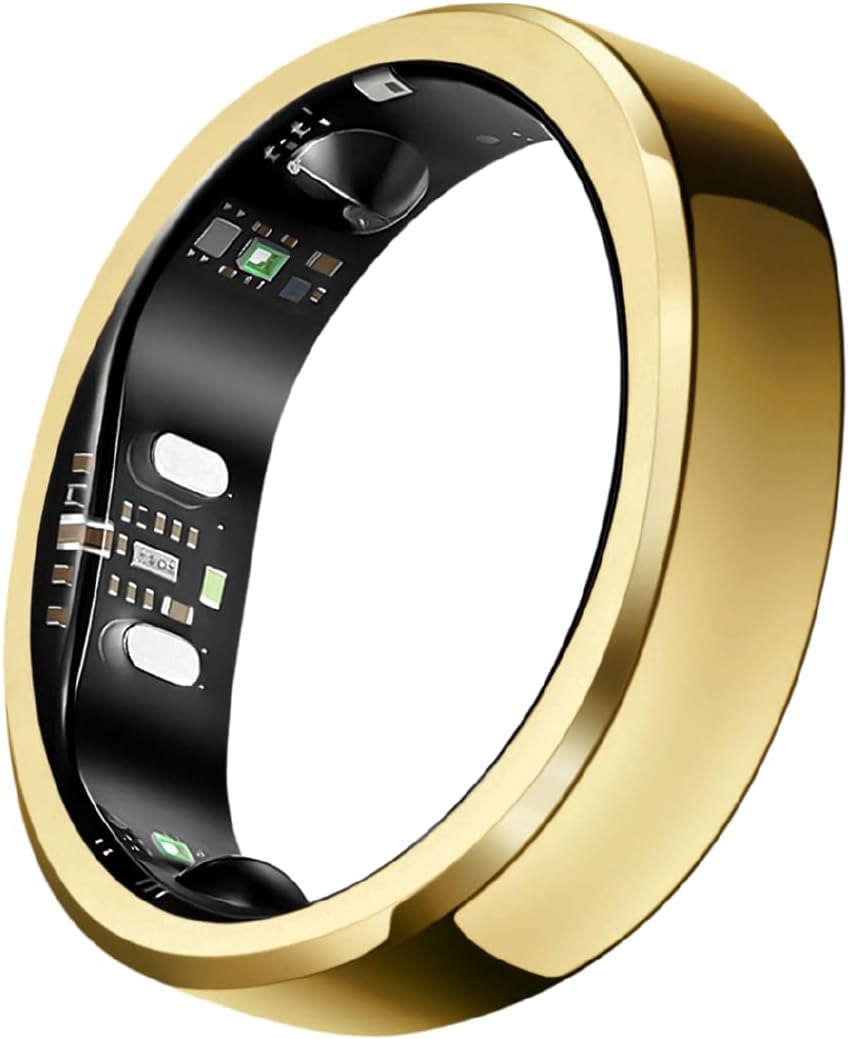
The Galaxy Ring tracks heart rate, HRV, sleep stages, skin temperature, and activity. Its Energy Score is a recovery-adjacent daily readiness metric built from sleep, physical activity, and biometric inputs. Sleep tracking covers stages with a nightly sleep score and detailed stage breakdown.
No subscription required — ever. That’s the Galaxy Ring’s headline differentiator from Oura at the same form factor. The limitations: The Galaxy Ring’s health ecosystem is most fully realized on Samsung Galaxy phones. Non-Samsung Android users and iPhone users get a diminished experience. The HRV and sleep precision are good but not at the same level as Oura Gen 4.
Who Should Buy Samsung Galaxy Ring
Buy it if: You’re a Samsung Galaxy phone user who wants ring-based health and recovery tracking without a monthly subscription.
Skip it if: You don’t use a Samsung phone (functionality is limited), or you want the most precise HRV and sleep data available in a ring form factor.
Samsung Galaxy Ring Pros and Cons
| ✅ Pros | ❌ Cons |
|---|---|
| No subscription required | Best experience requires Samsung Galaxy phone |
| Ring form factor for comfortable overnight wear | HRV less precise than Oura Gen 4 |
| Integrates with Galaxy ecosystem | Limited cross-platform compatibility |
| ~7-day battery life | Newer platform — less established than Oura |
| Energy Score for daily readiness | Charging case adds bulk |
| Competitive initial hardware price |
Recovery Score: ⭐⭐⭐⭐
Sleep Tracking: ⭐⭐⭐⭐
HRV Accuracy: ⭐⭐⭐⭐
Battery: ⭐⭐⭐⭐
Value: ⭐⭐⭐⭐⭐ (no subscription)
Subscription: None (Galaxy ecosystem)
Approx. Amazon price: ~$300–350
For women interested in ring-based health tracking options, our guide to the best smart ring for women covers more options.
8 Fitbit Charge 6 — Best Budget Recovery Tracker
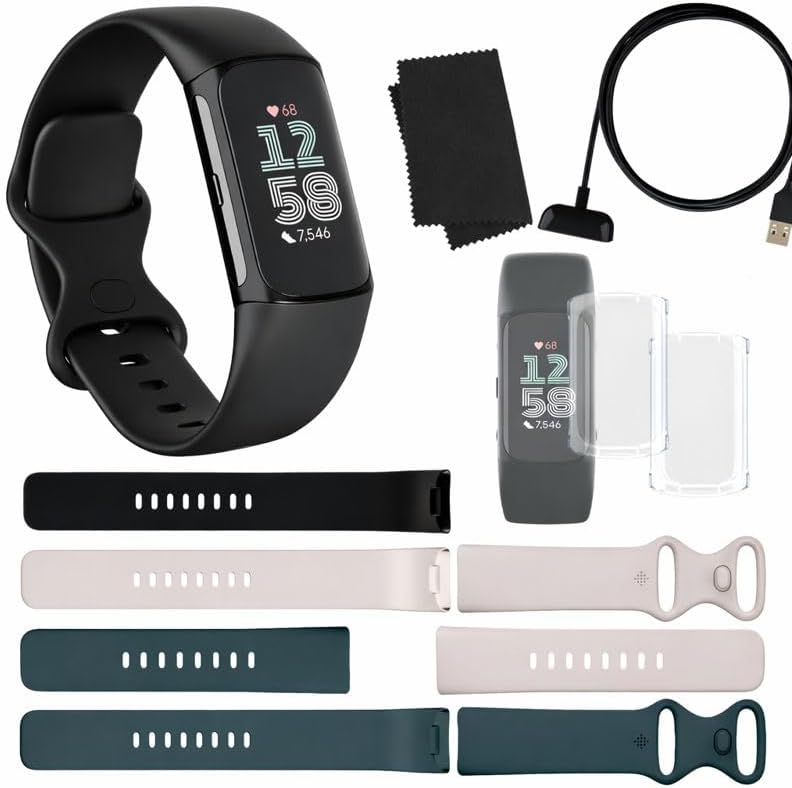
Best Budget Pick | Best Fitness Tracker Bracelet | Best for Everyday Users
The Fitbit Charge 6 is the most accessible entry point on this list for users who want a capable health tracker band without spending $300+.
Google’s Fitbit integration brings Google Maps navigation, Google Pay contactless payments, and Google Health Connect compatibility. The Charge 6 includes built-in GPS — rare at this price point — ECG for heart rhythm monitoring, a Stress Management Score, SpO2 monitoring, and skin temperature sensing.
When comparing the Best Recovery Trackers, the recovery tracking story stands out: a Daily Readiness Score is available with Fitbit Premium ($9.99/month) — making it optional rather than mandatory. Without Premium, Fitbit tracks sleep stages, resting heart rate, HRV (in a limited capacity), and stress patterns through its Stress Management Score. These are genuinely useful health metrics, even without the Readiness Score.
For most non-athletes and everyday health-conscious users, the Charge 6 covers the essentials. It’s not the deepest recovery tool on this list — but at its price point, it’s an outstanding fitness tracker bracelet with far more capability than most alternatives.
Who Should Buy Fitbit Charge 6
Buy it if: You’re a budget-conscious beginner, everyday wellness user, or Google ecosystem user who wants solid health tracking without spending more than $200.
Skip it if: You’re a serious athlete expecting WHOOP or Oura-level recovery precision. The Charge 6 tracks recovery; it doesn’t optimize it.
Fitbit Charge 6 Pros and Cons
| ✅ Pros | ❌ Cons |
|---|---|
| Most affordable capable recovery tracker on this list | Daily Readiness Score requires Fitbit Premium |
| Built-in GPS (unusual at this price) | Less HRV precision than WHOOP/Oura/Garmin |
| ECG for heart rhythm monitoring | Google’s Fitbit strategy raises long-term questions |
| Google Pay, Maps, Assistant | Smaller screen than smartwatches |
| No mandatory subscription | Some features Android-only |
| Stress Management Score included free | |
| Good sleep stage tracking |
Recovery Score: ⭐⭐⭐
Sleep Tracking: ⭐⭐⭐⭐
HRV Accuracy: ⭐⭐⭐
Battery: ⭐⭐⭐⭐ (~7 days)
Value: ⭐⭐⭐⭐⭐ (best budget option)
Subscription: Optional ($9.99/month for full features)
Approx. Amazon price: ~$130–160
See our detailed WHOOP vs Fitbit comparison for a complete head-to-head analysis.
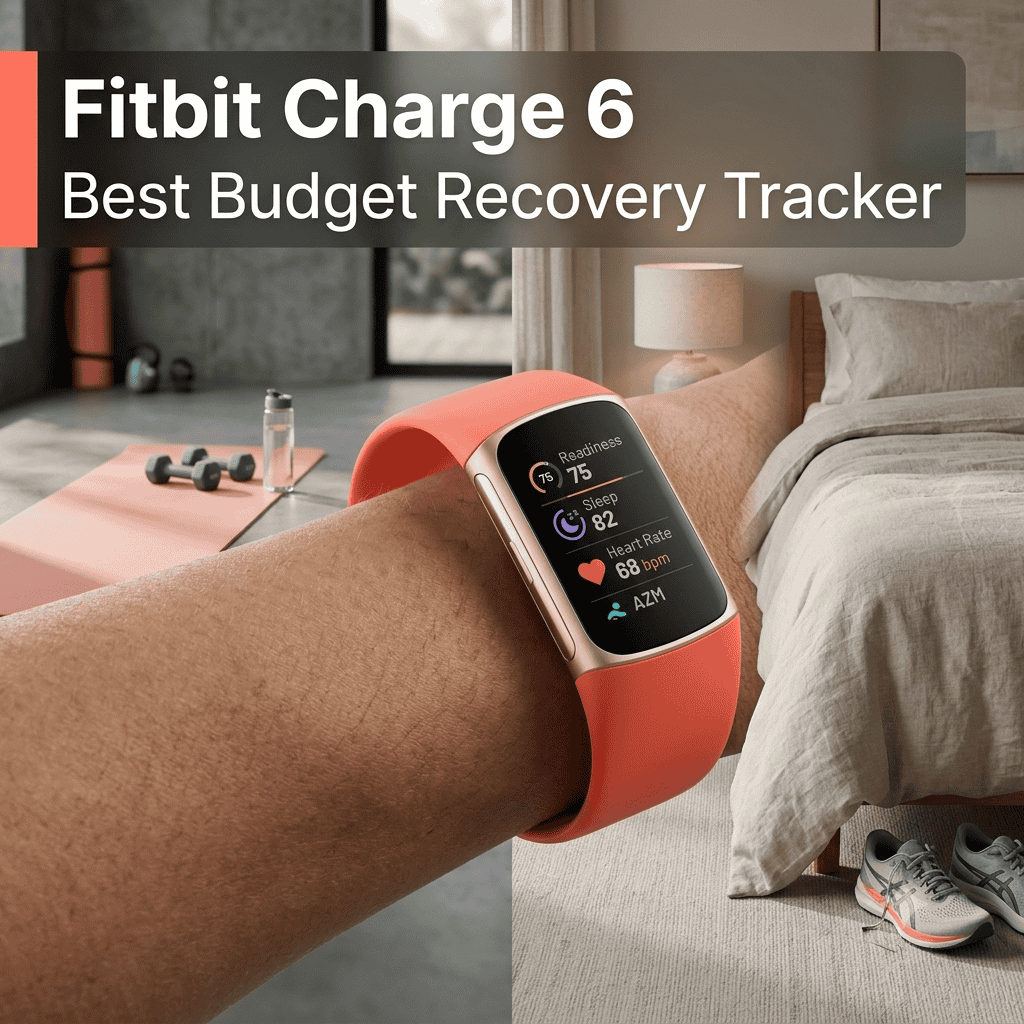
9 COROS Pace Pro — Best for Runners Seeking No Subscription
Best Fitness Tracker Without Subscription for Runners | Budget Premium Pick
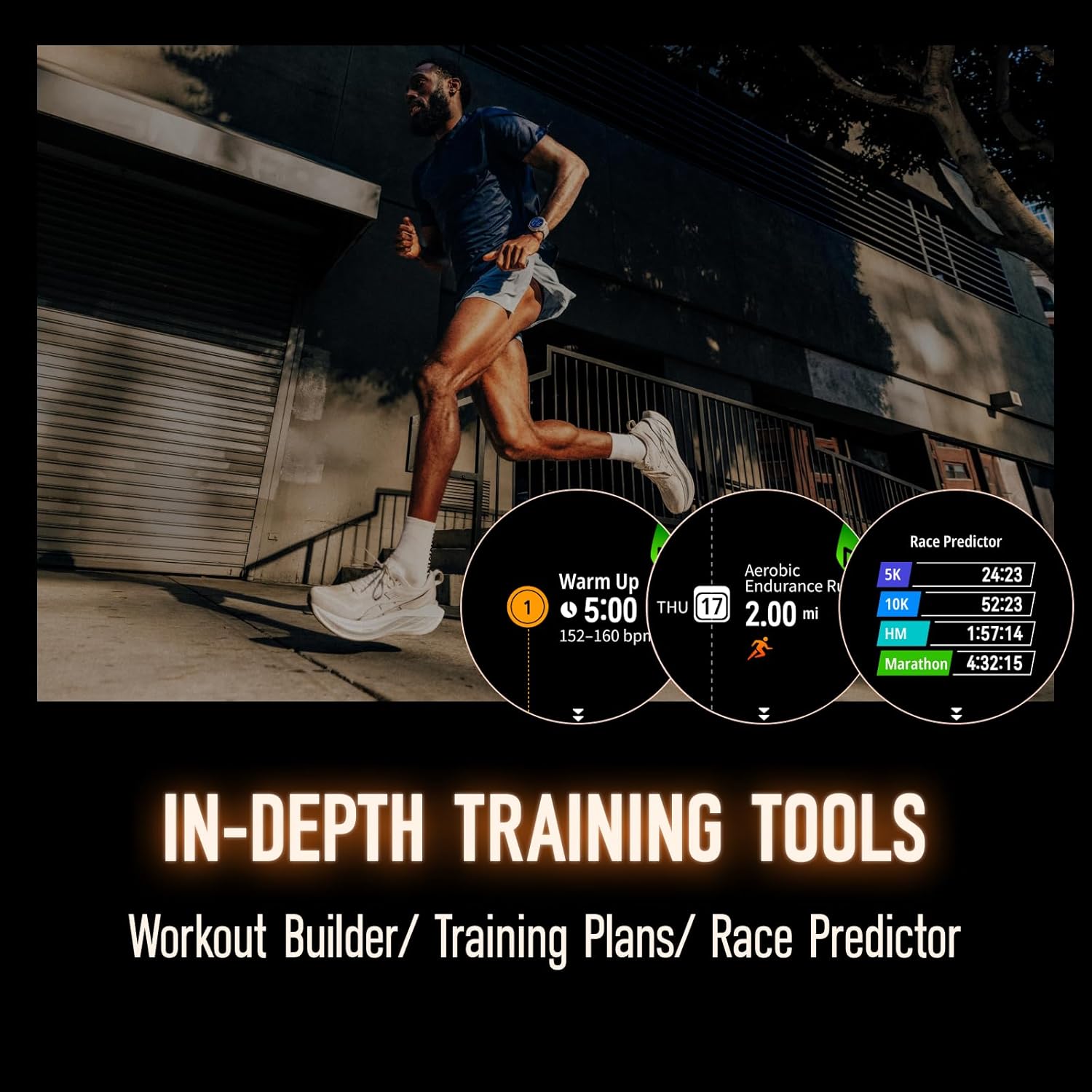
COROS has quietly built a devoted following among serious runners and cyclists who want precise GPS performance, excellent battery life, and zero ongoing fees — at prices well below Garmin’s premium tier.
The COROS Pace Pro is COROS’ dedicated racing and training watch. It’s built light, runs long, and delivers more training analytics depth than you’d expect at its price point.
On the recovery side, COROS offers an HRV reading (measured via its optical HR sensor during early morning hours), a Body Battery-style recovery load visualization, and a Training Load tracker that monitors acute and chronic training stress over time. It also includes sleep tracking with stages and a sleep summary.
The GPS accuracy is excellent — using multi-satellite tracking for strong performance on roads and trails. The 38-hour GPS battery is exceptional for a watch this compact and light.
Where COROS falls relative to Garmin or Polar: its performance alongside the Best Recovery Trackers in health tracking depth is good but not class-leading. The app (COROS App) is functional but smaller and less polished than Garmin Connect, though third-party integrations with TrainingPeaks and Strava are present and work well.
For runners who want a subscription-free, high-performance GPS tracker with useful recovery insights — at a lower price than Garmin’s equivalents — COROS Pace Pro is a compelling choice.
Who Should Buy COROS Pace Pro
Buy it if: You’re a runner or cyclist focused on GPS performance and training load management, without a subscription, at a price point below Garmin.
Skip it if: You want the deepest recovery analytics, a polished health app ecosystem, or the most advanced smartwatch features.
COROS Pace Pro Pros and Cons
| ✅ Pros | ❌ Cons |
|---|---|
| No subscription required | Recovery tracking less deep than WHOOP/Oura/Garmin |
| Excellent 38-hour GPS battery | Smaller app ecosystem than Garmin Connect |
| Lightweight for a GPS sport watch | HRV monitoring less granular |
| Competitive price vs. comparable Garmin models | Less brand recognition for resale value |
| TrainingPeaks and Strava integration | |
| Excellent for runners and cyclists |
Recovery Score: ⭐⭐⭐
Sleep Tracking: ⭐⭐⭐
HRV Accuracy: ⭐⭐⭐
Battery: ⭐⭐⭐⭐⭐ (38-hour GPS)
Value: ⭐⭐⭐⭐⭐ (no subscription)
Subscription: None
Approx. Amazon price: ~$200–280
10 Amazfit Balance — Best Budget Smartwatch with Recovery Features
Budget Pick | Best Entry-Level Recovery Tracker
The Amazfit Balance earns its spot on this list by delivering a surprising amount of health tracking depth at a price point well below every other device here.
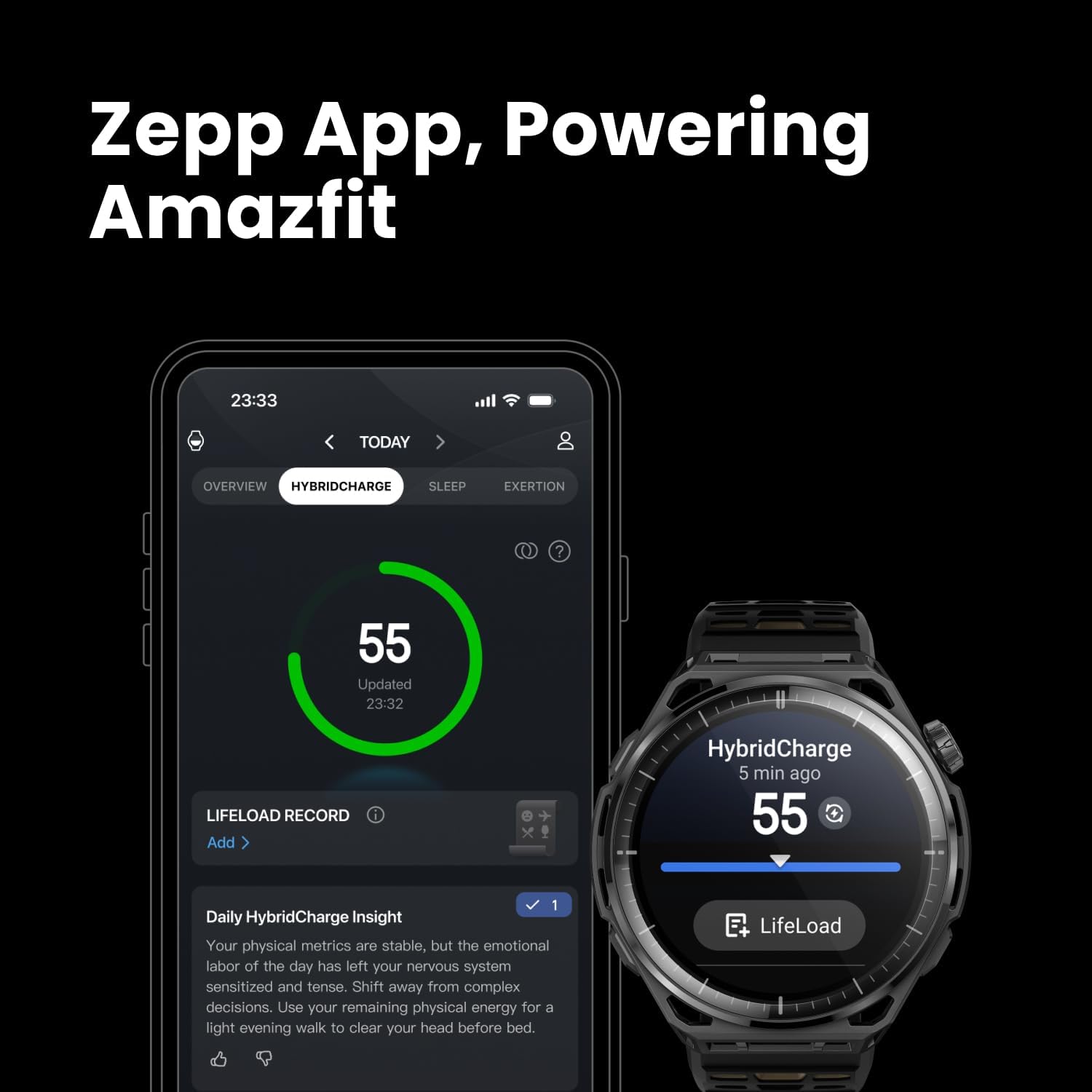
Amazfit — owned by Zepp Health — offers continuous heart rate monitoring, HRV tracking (measured nightly), SpO2 monitoring, skin temperature tracking, stress monitoring, and sleep stage analysis. The Zepp Score provides a daily readiness metric. The Zepp Coach delivers AI-generated workout suggestions.
The companion Zepp app is free and functional, with no subscription required. The 14-day battery (smartwatch mode) and built-in GPS round out a feature set that, on paper, rivals devices costing twice as much.
The honest caveat: Amazfit’s biometric accuracy — particularly HRV and sleep stage classification — doesn’t match the devices ranked above it. The algorithms are less mature, and the hardware precision is lower. For casual health awareness and general wellness tracking, it’s more than adequate. For athletes who need reliable daily recovery guidance to make training decisions, the accuracy limitations matter.
Who Should Buy Amazfit Balance
Buy it if: You’re a beginner, budget-conscious buyer, or someone who wants to explore health tracking before committing to a premium device. Also a solid choice if you want smartwatch features, GPS, and reasonable health data without spending over $200.
Skip it if: You’re a serious athlete who needs reliable recovery data to make consequential training decisions.
Amazfit Balance Pros and Cons
| ✅ Pros | ❌ Cons |
|---|---|
| Most affordable device on this list with recovery features | Lower biometric accuracy than premium devices |
| No subscription required | Less mature recovery algorithms |
| 14-day battery life | Smaller brand — ecosystem less developed |
| Built-in GPS | HRV precision lower than competitors |
| Zepp Coach AI workout suggestions | |
| Good sleep tracking for the price |
Recovery Score: ⭐⭐⭐
Sleep Tracking: ⭐⭐⭐
HRV Accuracy: ⭐⭐⭐
Battery: ⭐⭐⭐⭐⭐
Value: ⭐⭐⭐⭐⭐ (best budget option)
Subscription: None
Approx. Amazon price: ~$100–150
Buying Guide: How to Choose the Best Recovery Tracker
1. HRV Accuracy — The Foundation of Recovery Tracking
HRV is the single most important metric in any recovery tracker. The quality of the HRV reading — which depends on sensor precision, measurement timing, and algorithm calibration — determines how reliable your recovery score actually is.
Finding the Best Recovery Trackers comes down to continuous monitoring: the most accurate HRV monitoring comes from devices that measure continuously during sleep and use overnight readings to build your personal baseline. WHOOP and Oura lead here. Garmin and Polar are solid. Apple Watch, Samsung Galaxy Ring, and Fitbit are useful but less precise.
If you’re making serious training decisions based on HRV data, invest in devices in the top tier.
2. Recovery Score vs. Readiness Score vs. Body Battery
Different platforms call it different things, but the concept is the same: a single daily number telling you how ready your body is.
- WHOOP Recovery Score: HRV-first, personalized, daily precision. The benchmark.
- Oura Readiness Score: HRV plus temperature and sleep, excellent daily precision.
- Garmin Body Battery: HRV plus stress and activity, more trend-based, still useful.
- Polar Nightly Recharge: ANS-based morning measurement, research-backed.
- Samsung Energy Score: Sleep and activity-based, good for Samsung users.
- Fitbit Daily Readiness Score: Premium-required, basic HRV input.
3. Sleep Tracking Quality
Recovery happens during sleep. A tracker that misses your sleep stages or gives you inaccurate deep/REM splits is giving you inaccurate recovery data.
The best sleep trackers on this list: WHOOP 5.0 and Oura Ring Gen 4. The most comfortable for overnight wear: Oura Ring (ring form factor).
4. Screen vs. Screenless
The best recovery trackers for pure biometric accuracy — WHOOP and Oura Ring — have no display. The absence of a screen isn’t a bug. It’s a design choice that reduces device thickness, improves sensor contact with the skin, and eliminates the psychological distraction of checking notifications.
If you need a display for at-a-glance stats and smartwatch features, Garmin, Apple Watch, Samsung, Fitbit, and others all deliver.
5. Battery Life and Charging Strategy
Battery life matters differently depending on your priorities:
- Continuous monitoring (no gaps): WHOOP’s on-wrist charging is uniquely effective. Oura’s ring charges in ~80 minutes while you eat or shower.
- Long GPS sessions: Garmin Forerunner 965 (31 hours GPS), Garmin Fenix 8 (57 hours GPS), COROS Pace Pro (38 hours GPS).
- Minimum charging hassle: Garmin Instinct 3 (~30 days), Amazfit Balance (~14 days).
6. Subscription Costs — The Long-Term Math
| Timeframe | WHOOP (~$300/yr) | Oura (~$70/yr) | Garmin (Free) | Fitbit ($120/yr) |
|---|---|---|---|---|
| Year 1 | ~$300 | ~$420 | ~$300–600 | ~$280 |
| Year 2 | ~$600 | ~$490 | Same device | ~$400 |
| Year 3 | ~$900 | ~$560 | Same device | ~$520 |
Always factor subscription costs into your total cost of ownership calculation.
7. Comfort for 24/7 Wear
You need to wear your recovery tracker consistently — especially overnight — for the data to be meaningful. If you pull it off at night, you’re losing the most valuable biometric window.
Best for all-day, all-night comfort: Oura Ring. Most comfortable wristband for sleep: WHOOP (slim, no display). Least comfortable for sleep: most full-size GPS watches.
8. Women’s Health Features
The best recovery trackers for women integrate menstrual cycle data with recovery metrics. Oura Ring Gen 4 leads with temperature-based ovulation detection overlaid on your Readiness Score. Garmin integrates cycle tracking with the training calendar. WHOOP correlates cycle phase with HRV and recovery patterns.
9. Ecosystem and App Quality
Your tracker is only as useful as its app. The best health tracker platforms for data depth and usability:
- WHOOP App: Deep, behavioral, excellent for daily engagement
- Oura App: Clear, educational, excellent insight layer
- Garmin Connect: Feature-complete, free, excellent third-party integration
- Polar Flow: Solid for training analysis, less polished UI
10. GPS — Do You Need It?
GPS requires its own consideration. The best recovery trackers focused purely on biometrics (WHOOP, Oura Ring, Samsung Galaxy Ring) have no GPS. If you run, cycle, or hike outdoors without your phone, you need a device that includes GPS: Garmin, Polar, Apple Watch, COROS, Fitbit Charge 6, or Amazfit.
11. Price vs. Value
| Category | Best Pick |
|---|---|
| Best overall | WHOOP 5.0 |
| Best value overall | Oura Ring Gen 4 |
| Best subscription-free | Garmin Forerunner 965 |
| Best budget | Amazfit Balance or Fitbit Charge 6 |
| Best for runners | Garmin Forerunner 965 or Polar Vantage V3 |
| Best smart ring | Oura Ring Gen 4 |
Best Recovery Trackers by User Type
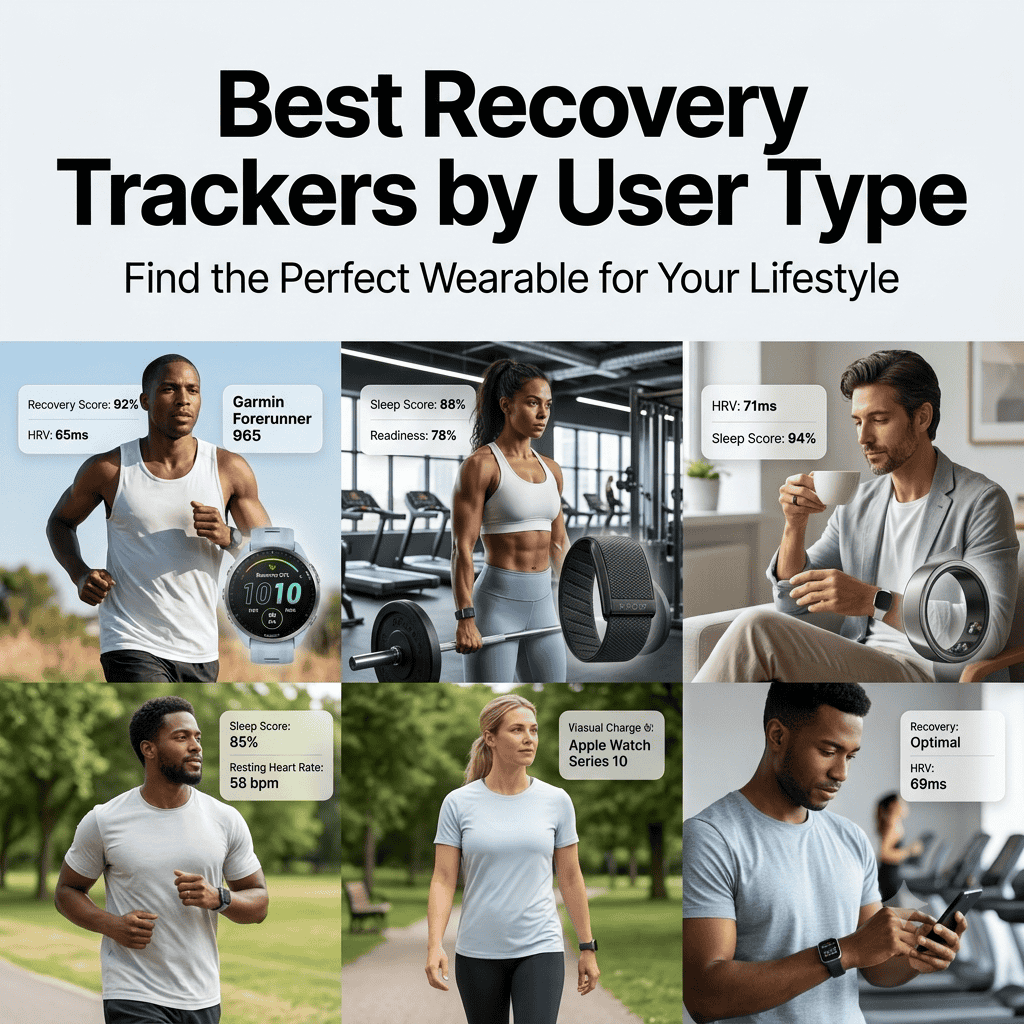
| User Type | Best Recovery Tracker | Runner-Up |
|---|---|---|
| Competitive athletes | WHOOP 5.0 | Oura Ring Gen 4 |
| Runners and cyclists | Garmin Forerunner 965 | Polar Vantage V3 |
| Triathletes | Garmin Forerunner 965 | Garmin Fenix 8 |
| Adventure athletes | Garmin Fenix 8 | Garmin Forerunner 965 |
| CrossFit / strength athletes | WHOOP 5.0 | Oura Ring Gen 4 |
| Women | Oura Ring Gen 4 | WHOOP 5.0 |
| Biohackers | Oura Ring Gen 4 | WHOOP 5.0 |
| Beginners | Fitbit Charge 6 | Amazfit Balance |
| Budget buyers | Amazfit Balance | Fitbit Charge 6 |
| iPhone users | Apple Watch Series 10 | Oura Ring Gen 4 |
| Android / Samsung users | Samsung Galaxy Ring | Garmin Forerunner 265 |
| Subscription-free seekers | Garmin Forerunner 965 | Polar Vantage V3 |
| Sleep improvement focus | Oura Ring Gen 4 | WHOOP 5.0 |
| Busy professionals | Oura Ring Gen 4 | Garmin Venu 3 |
Common Questions Answered
What is the most accurate health tracker device?
For recovery and sleep, WHOOP 5.0 and Oura Ring Gen 4 consistently rank as the most accurate consumer health trackers. Both use HRV as their primary recovery signal and have received favorable assessments in consumer wearable research for biometric precision. For GPS accuracy, Garmin’s multi-band GNSS system leads the industry.
No consumer wearable is medically accurate. Always consult a healthcare professional for medical concerns.
What is the best watch for recovery?
If you are looking for the Best Recovery Trackers, the Garmin Forerunner 965 stands out as the top recovery-focused GPS watch available without a subscription for those who want a built-in display. For comprehensive recovery depth in a dedicated wristband, WHOOP 5.0 set the standard, while Oura Ring Gen 4 leads the way for the sleek ring form factor.
What is the best WHOOP alternative?
The best WHOOP alternatives that offer meaningful recovery tracking at lower or no subscription cost include Oura Ring Gen 4 ($6/month), Garmin Forerunner 265 (free), and Polar Vantage V3 (free). See our full guide to the best WHOOP alternatives for a complete breakdown.
Is Garmin better than Fitbit?
For athletes, runners, and serious training analytics — yes, significantly. Garmin’s GPS accuracy, recovery metrics, and training depth far exceed Fitbit across the board. For everyday wellness users and beginners who want a simpler experience with Google integration, Fitbit Charge 6 is more accessible. See our full WHOOP vs Fitbit comparison for how both compare to the recovery tracking standard.
Do health trackers actually work?
Yes — with important caveats. Consumer wearables provide biometric estimates, not medical-grade measurements. But the data they generate — particularly HRV trends, sleep stage tracking, and resting heart rate patterns — correlates meaningfully with physiological recovery status as established in sports science research. The CDC and American Heart Association recognize HRV as a clinically meaningful biomarker for autonomic health. The key is using the data for trends and direction, not treating individual readings as absolute truth.
Is Oura better than Apple Watch?
For recovery and sleep optimization: yes, Oura Ring Gen 4 is a better health tracker than Apple Watch Series 10. Oura’s HRV precision, sleep stage accuracy, temperature monitoring, and Readiness Score coaching are deeper than Apple Watch’s health features. Apple Watch wins for smartwatch functionality, iPhone ecosystem integration, and smart features. Different tools for different priorities.
Which tracker is more accurate — WHOOP or Oura?
Both are among the most accurate consumer recovery trackers available. WHOOP has a slight edge for HRV-based daily recovery scoring. Oura has a slight edge for sleep stage accuracy (finger position advantage) and temperature monitoring. For most practical purposes, both provide recovery data accurate enough to meaningfully guide training decisions.
For a full breakdown, see our complete WHOOP vs Oura comparison.
What can recovery trackers track that basic fitness trackers can’t?
The best recovery trackers go far beyond step counting and calorie estimates. They measure:
- Heart rate variability (HRV) with overnight precision
- Sleep stages (light, deep, REM, and awake time)
- Respiratory rate during sleep
- Skin temperature deviations
- Resting heart rate trends
- Training strain and cumulative load
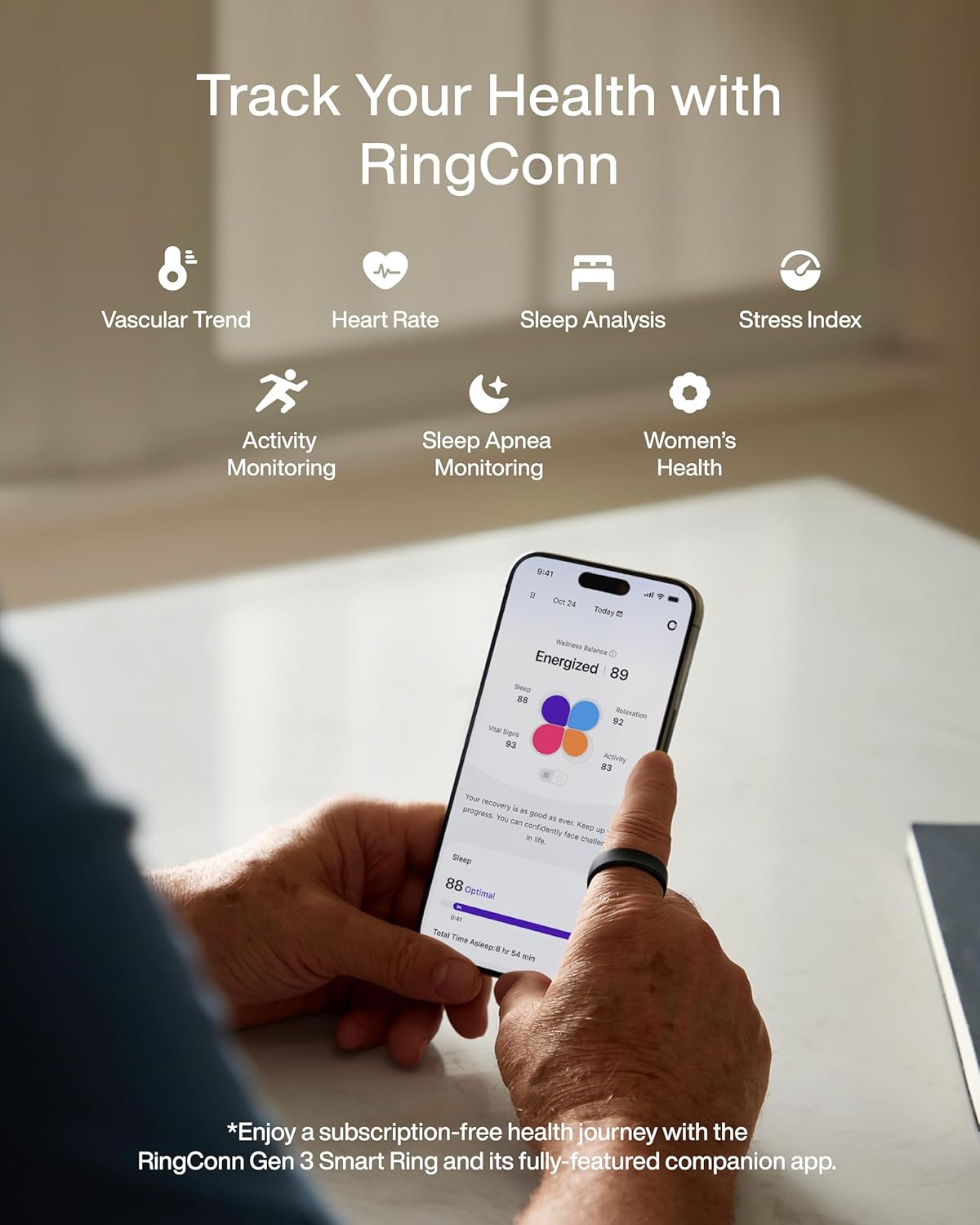
These metrics combine into a personalized daily recovery or readiness score. Basic fitness trackers count steps and estimate calories. Recovery trackers help you understand whether your body can handle what you’re about to ask it.
Frequently Asked Questions
What is HRV and why does it matter for recovery?
HRV (heart rate variability) measures the variation in time between heartbeats, which is why it has become the core metric for the Best Recovery Trackers on the market. Higher HRV generally indicates your parasympathetic nervous system is active — meaning your body has recovered from training stress and is ready for more effort. Lower HRV signals accumulated fatigue, poor sleep, illness, or stress. It’s the most validated biometric for recovery assessment in consumer wearables.
Which recovery tracker has the best sleep tracking?
WHOOP 5.0 and Oura Ring Gen 4 lead for sleep accuracy. Both measure sleep stages with high precision and provide actionable guidance — WHOOP through its Sleep Coach (bedtime recommendations), Oura through its detailed Sleep Score and educational insights. Oura has a slight comfort advantage for overnight wear due to the ring form factor.
What is the best recovery tracker without a subscription?
The Garmin Forerunner 965 provides excellent recovery monitoring (Body Battery, HRV Status, Daily Suggested Workouts) with no subscription, ever. The Polar Vantage V3 and COROS Pace Pro are strong alternatives. Samsung Galaxy Ring offers ring-based recovery tracking without subscription for Galaxy phone users.
Is a smart ring or smartwatch better for recovery tracking?
For pure recovery and sleep tracking accuracy, rings (Oura, Samsung Galaxy Ring) have a biological advantage — the finger is a better location for optical HR measurement than the wrist. For active workout tracking, GPS, and smartwatch features, a watch is necessary. Many athletes use both.
How long does it take for a recovery tracker to become accurate?
Most recovery trackers need 2–4 weeks of consistent wear to establish a reliable personal baseline. WHOOP typically takes 30+ days to fully personalize. Oura recommends 2 weeks minimum before trusting its recovery scores. The data gets more accurate over time as each platform learns your individual patterns.
Can recovery trackers help with weight loss?
Indirectly — yes. Better sleep quality (which recovery trackers help optimize) supports hormonal balance and metabolic health, both of which influence body composition. Some trackers (Fitbit, Garmin) also include calorie tracking and food logging for more direct weight management support.
What is the best recovery tracker for women?
Oura Ring Gen 4 leads for women’s health features — temperature-based cycle tracking overlays hormonal patterns on recovery scores, helping female athletes understand how their cycle affects training readiness. WHOOP also correlates cycle phase with HRV data. Both are excellent choices.
Do I need GPS in a recovery tracker?
While not essential for all Best Recovery Trackers specifically, GPS is needed for outdoor activities — running, cycling, hiking. If you train outdoors regularly without your phone, you need a GPS-equipped device (Garmin, Polar, COROS, Apple Watch, Fitbit Charge 6). If you primarily train indoors or always have your phone, GPS in the tracker is optional.
Is WHOOP worth the monthly fee?
For athletes who check their Recovery Score daily and make training decisions based on it, WHOOP consistently delivers value. For casual users who rarely engage with the data, the subscription is hard to justify. Start by calculating your 24-month total cost and honestly assessing how often you’d use the insights before committing.
Can you use a recovery tracker to detect illness before symptoms appear?
Some research suggests yes — consistently elevated resting heart rate, depressed HRV, and elevated skin temperature can precede illness symptoms by 1–2 days in some users. Oura’s temperature deviation tracking has been used in published research tracking early COVID-19 symptoms. This is promising and practically useful — but neither a diagnostic tool nor a medical guarantee.
How accurate are the calorie estimates on recovery trackers?
Not very — and this applies to all devices on this list. Consumer wearables calculate calorie burn from heart rate, motion data, and demographics. Estimates can be 20–30% off from actual expenditure, and tend to overestimate. Use calorie data for directional trends, not precise dietary math.
Which recovery tracker has the best battery life?
The Amazfit Balance leads for smartwatch battery at ~14 days. COROS Pace Pro leads for GPS battery at ~38 hours. Samsung Galaxy Ring (~7 days) and Oura Ring Gen 4 (~5–8 days) lead for ring battery life. Garmin Forerunner 965 (~23 days smartwatch) and Fenix 8 (~16 days) lead for GPS watch battery endurance.
What’s the difference between a recovery score and a readiness score?
Functionally, they’re the same concept — a daily number that synthesizes your biometric data into a recommendation for how hard you should train today. Different brands use different names: WHOOP calls it Recovery Score, Oura calls it Readiness Score, Garmin calls it Body Battery. The algorithms differ, but the goal is identical: tell you how ready your body is.
Are recovery trackers accurate for sleep apnea detection?
No consumer wearable can diagnose sleep apnea. Consistent low overnight SpO2 readings (below 90%) or unusually fragmented sleep patterns may warrant a conversation with your doctor — but a clinical sleep study remains the only proper diagnostic tool. If you suspect sleep apnea, consult a healthcare provider rather than relying on wearable data.
What’s the best recovery tracker for beginners?
Fitbit Charge 6 is the most beginner-friendly option among the Best Recovery Trackers with meaningful recovery features — touchscreen display, clear app interface, no mandatory subscription, built-in GPS, and solid sleep and heart rate tracking. Amazfit Balance is the most affordable starting point. Both give beginners actionable health data without overwhelming complexity.
Final Verdict
The best recovery trackers of 2026 each serve different users well. Here’s the bottom line:
Best overall recovery tracker:
WHOOP 5.0 — for athletes who live by their Recovery Score and engage with data daily.
Best for sleep and wellness:
Oura Ring Gen 4 — the most comfortable, precise, and versatile recovery ring at the lowest subscription cost.
Best subscription-free choice:
Garmin Forerunner 965 — comprehensive recovery tracking, best-in-class GPS, and a free app platform that gets better every year.
Best for endurance and adventure:
Garmin Fenix 8 — when conditions are extreme and performance is non-negotiable.
Best for serious training analytics:
Polar Vantage V3 — sports-science-grounded recovery tools with no recurring fees.
The Best for iPhone users:
Apple Watch Series 10 — the best smartwatch experience, with solid health tracking built in.
Best for Android/Samsung users:
Samsung Galaxy Ring — ring-based recovery tracking with no subscription.
Best budget option:
Fitbit Charge 6 — excellent GPS and health features without breaking the bank.
Best runner on a budget (no subscription):
COROS Pace Pro — impressive GPS and training load tools at an honest price.
Best starter pick:
Amazfit Balance — the lowest barrier to entry for meaningful recovery data.
To explore the full landscape of fitness wearables beyond this list — including comparisons, alternatives, and niche picks for specific use cases — see our complete wearable fitness tracker comparison and our roundup of the best fitness wearables for every goal and budget.
Here is the sentence with your exact keyword phrase integrated: All ten devices on this list are available on Amazon, including top options featured in our guide to the Best Recovery Trackers. Check current pricing, read verified customer reviews, and choose the recovery tracker that fits your training goals, lifestyle, and budget. The best recovery tracker is the one you actually wear every day — and the data you actually act on.